Anesthesia Malpractice Lawyer Tennessee: When Anesthesia Errors Cause Brain Injuries, Permanent Disability, or Death
Anesthesia keeps patients unconscious and pain-free during surgery. When anesthesia providers make preventable mistakes, the consequences can be permanent brain damage, lifelong disability, or even death. DZ Law, PLLC represents patients and families across East Tennessee who have been harmed by these errors, and this article explains the legal framework, common injuries, and practical steps for pursuing accountability under Tennessee law.
Key Takeaways
Anesthesia errors include medication mix-ups, dosage mistakes, failure to monitor vital signs, and other preventable failures before, during, or after a surgical procedure. These anesthesia mistakes can cause brain injury, permanent disability, or wrongful death.
Anesthesia malpractice claims in Tennessee are governed by the Tennessee Health Care Liability Act (HCLA), which imposes strict procedural requirements. A one-year statute of limitations applies to medical malpractice claims in Tennessee, and a Certificate of Good Faith supported by medical experts is generally required before filing.
Tennessee law requires formal notice to all health care providers being sued. A pre-suit notice must be sent at least 60 days before filing a lawsuit, and Tennessee enforces a three-year statute of repose for medical malpractice claims regardless of when the injury was discovered.
Victims of anesthesia malpractice may pursue compensation for economic and non-economic damages, including medical bills, lost wages, pain and suffering, and, in fatal cases, wrongful death damages.
DZ Law, PLLC is based in Blount County and represents clients in Sevier, Blount, Knox, Loudon, Jefferson, and Cocke Counties. If you or a family member suffered a serious injury after anesthesia during surgery, contact DZ Law today for a free consultation at (865) 259-0020 or message us online.
What Is Anesthesia and How Do Anesthesia Errors Happen?
Anesthesia is a medically induced state that blocks pain sensation, awareness, or both. Local anesthesia numbs a small area. Regional anesthesia (such as an epidural or spinal block) numbs a larger region of the body. General anesthesia renders the patient fully unconscious and unable to breathe independently, requiring a machine-managed airway.
Anesthesiologists and certified registered nurse anesthetists (CRNAs) plan, administer, and monitor anesthesia care in operating rooms across Knoxville, Maryville, Sevierville, and other East Tennessee facilities. Their responsibilities cover reviewing the patient's medical history, selecting the right drug and dose, managing the airway, monitoring oxygen levels and blood pressure throughout the procedure, and supervising recovery.
An anesthesia error is a preventable mistake at any of these stages that falls below accepted standards of professional practice. Anesthesia malpractice occurs when an anesthesiologist or other provider fails to meet care standards, and that failure causes harm. Not every complication equals medical negligence. Anesthesia carries known risks that are disclosed to patients before surgery. The distinction matters: a known, unavoidable reaction is different from an avoidable error caused by carelessness, inattention, or protocol breakdowns.
Because anesthesia care involves minute-by-minute physiological monitoring, these cases almost always require expert review of medical records, anesthetic charts, and monitoring data to determine whether the standard of care was met.
Common Anesthesia Mistakes in Tennessee Hospitals and Surgery Centers
Anesthesia errors can occur before, during, and after medical procedures at hospitals, ambulatory surgical centers, endoscopy suites, and outpatient clinics across Blount, Knox, Sevier, Loudon, Jefferson, and Cocke Counties. Common anesthesia mistakes include:
Administering the wrong medication or wrong drug, or giving the wrong dose of an anesthetic or paralytic agent
Failing to review the patient's medical history for allergies, heart disease, sleep apnea, or prior anesthesia reactions
Failing to monitor oxygen saturation, blood pressure, heart function, or airway status during surgery
Delayed recognition of respiratory distress or cardiac arrest in the operating room
Errors with pain pumps, epidurals, or spinal anesthesia leading to nerve damage or infection
Anesthesia awareness, where a patient wakes during surgery while paralyzed and unable to communicate
Unsafe extubation or failure to secure the airway after surgery
Inadequate post-operative monitoring that allows complications to escalate undetected
These mistakes often result from rushed pre-operative assessments, poor communication among medical staff, understaffing, or inadequate supervision of trainees. Anesthesia errors may occur pre-operatively and during patient recovery as well, not only in the operating room itself. Medication failures can lead to serious anesthesia errors, including reactions like malignant hyperthermia, a life-threatening condition triggered by certain anesthetic agents in genetically susceptible patients.
Common Injuries Caused by Anesthesia Malpractice
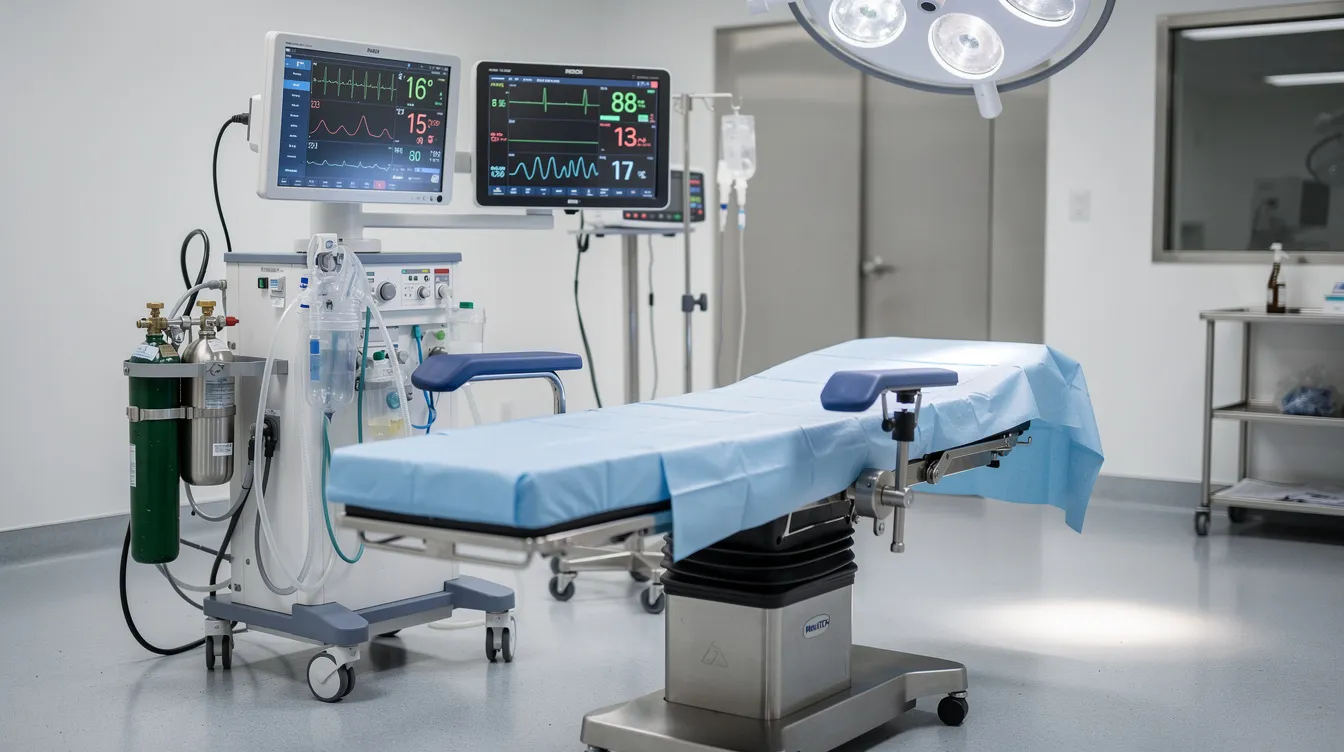
Even brief oxygen deprivation during anesthesia can cause lifelong consequences. The brain begins to suffer irreversible damage after roughly four to six minutes without adequate oxygen. Common injuries linked to anesthesia errors include:
Hypoxic or anoxic brain injury leading to cognitive impairment, memory loss, or coma
Strokes caused by blood pressure mismanagement or clotting complications
Nerve damage from regional blocks or epidurals, including paralysis or permanent loss of sensation
Respiratory complications such as aspiration pneumonia or prolonged ventilator dependence
Cardiac arrest or arrhythmias resulting in organ damage
Chronic headaches, tinnitus, or neuropathic pain
Post-traumatic stress disorder after anesthesia awareness
Common anesthesia malpractice cases involve medication errors, intubation mistakes, and monitoring failures. Inadequate monitoring during surgery can lead to complications like hypoxia or cardiac arrest. Anesthesia malpractice can lead to serious injuries including brain damage, paralysis, and wrongful death. Inadequate monitoring during anesthesia can threaten patient safety at every stage.
In Tennessee, these common injuries can support claims for substantial damages when medical experts trace them to preventable anesthesia mistakes rather than unavoidable complications. DZ Law's role as your legal team is to connect the dots between the anesthesia care, the medical records, and the patient's long-term limitations or disability.
When Anesthesia Errors Lead to Brain Injuries, Permanent Disability, or Death
The most devastating anesthesia failures leave patients unable to work, live independently, or care for themselves. Some never wake up. Prolonged oxygen deprivation during anesthesia can cause global brain damage, resulting in a vegetative state, severe memory loss, or profound cognitive impairment. In White v. Methodist Hospital South (1992), a Tennessee patient suffered permanent brain damage after an anesthesiologist and staff failed to maintain adequate oxygenation during anesthesia induction, leading to cardiac arrest.
Permanent disability from anesthesia errors can take other forms: loss of mobility from spinal cord or nerve injury, dependence on feeding tubes or ventilators, or inability to return to prior employment. Life care planners may project decades of future medical needs and lost earning capacity for patients who survive with catastrophic injuries.
When an anesthesia failure causes death during or shortly after surgery, Tennessee wrongful death law may allow certain family members to pursue a claim. Wrongful death lawsuits can be pursued for anesthesia errors, and eligible claimants typically include a surviving spouse, children, or, in some situations, parents or the personal representative of the estate. These cases carry the same strict deadlines as other forms of medical malpractice.
If your family is facing severe brain injury or death after suspected anesthesia errors, contact DZ Law at (865) 259-0020 or send a confidential message through our online form.
How Tennessee Law Treats Anesthesia Malpractice Claims
Anesthesia malpractice is a type of health care liability claim under Tennessee law, subject to the HCLA's procedural requirements. Under Tenn. Code Ann. § 29-26-115, a plaintiff must prove three elements: the recognized standard of acceptable professional practice in the provider's specialty, a breach of that standard, and injuries proximately caused by that breach. Each state has its own statute of limitations for malpractice claims, and Tennessee's is among the shortest.
Tennessee generally gives injured patients one year from the date of the anesthesia error, or one year from the date the injury reasonably should have been discovered, to file suit. Tennessee enforces a three-year statute of repose for medical malpractice claims regardless of when the injury was discovered, with limited exceptions for fraudulent concealment or foreign objects left in the body. Tennessee law requires a pre-suit notice to be sent at least 60 days before filing a lawsuit, and a Certificate of Good Faith is generally required at the time of filing, declaring that a qualified medical expert has reviewed the records and believes there is a meritorious claim.
Tennessee's modified comparative fault rule can reduce or eliminate recovery. If the patient bears some responsibility (for example, failing to follow pre-operative fasting instructions), their compensation is reduced by their percentage of fault. If a patient is found 50% or more at fault, recovery is barred entirely. Expert opinions must support claims of anesthesia malpractice, and malpractice claims require linking substandard care to injury.
Medical malpractice cases in Tennessee face strict procedural rules which necessitate experienced legal representation. DZ Law helps patients and families in East Tennessee navigate these requirements while they focus on recovery or grief.
Who May Be Liable for an Anesthesia Error in Tennessee?
Anesthesia care often involves multiple medical professionals and entities. Negligence can involve multiple parties in anesthesia cases, and identifying every responsible party is critical to maximizing financial recovery. Potential defendants include:
Anesthesiologists and CRNAs responsible for planning and administering anesthesia
Surgeons, obstetricians, or proceduralists who coordinate care in the operating room
Nurses and recovery-room staff who monitor patients post-operatively
Hospitals and surgical centers in Knoxville, Maryville, Alcoa, Sevierville, and surrounding areas that are responsible for staffing, training, and equipment
Anesthesia groups or staffing companies that set policies and supervise providers involved in the case
Manufacturers of defective anesthesia machines or monitoring equipment
Anesthesiologists can be held liable for negligent care during procedures, and nurse anesthetists may also face liability for anesthesia errors. Healthcare facilities can be liable for anesthesia malpractice when institutional failures contribute to the harm. Liability in anesthesia malpractice cases may involve multiple parties including surgeons and hospital staff, and each entity may carry separate insurance coverage with its own defense attorneys.
DZ Law evaluates the roles of each provider, the chain of communication, and institutional policies to identify all negligent parties and pursue claims against them.
How DZ Law, PLLC Investigates and Builds Anesthesia Malpractice Cases
Anesthesia malpractice cases are technical and expert-driven. DZ Law brings focused medical malpractice experience and combined experience in complex cases to these claims. Key investigative steps include:
Obtaining and reviewing hospital records, anesthesia logs, monitoring strips, medication records, and incident reports
Collecting evidence from pre-operative clinics and post-operative care providers to understand the full picture
Interviewing witnesses such as nurses, recovery-room staff, or family members who observed changes in the patient's condition
Identifying and preserving physical evidence, including malfunctioning equipment when possible
Lawyers in Tennessee assess medical records to determine adherence to the standard of care in anesthesia cases. DZ Law works with board-certified anesthesiologists and other medical experts to analyze whether the provider's actions met the standard of care and to link specific anesthesia errors to the patient's injuries.
If you believe an anesthesia error occurred during a recent surgery in East Tennessee, keep all discharge paperwork, bills, and notes from conversations with medical professionals. These materials help collect evidence for a potential malpractice claim. Schedule a free case review with DZ Law to discuss what happened.
What Evidence Is Important in an Anesthesia Error Lawsuit?
Strong documentation is the foundation of proving an anesthesia malpractice claim against a hospital or insurance company. Medical records are crucial for proving anesthesia malpractice. Key categories of evidence include:
Evidence Type | What It Shows |
|---|---|
Pre-anesthesia evaluations and consent forms | Whether providers reviewed patient's medical history, allergies, and risk factors |
Anesthesia records | Drug choices, dosages, timing, and the anesthesiologist's notes |
Continuous monitoring data | Oxygen saturation, heart rate, blood pressure, end-tidal CO₂ readings over time |
Nursing notes and recovery-room observations | Post-operative status, response times, and any complications noted |
Imaging results (CT, MRI) | Objective evidence of brain injury or other organ damage |
Prior medical history | Whether known risk factors were ignored or mishandled |
Family members often play a critical role by documenting symptoms they observed: confusion, difficulty waking, sudden behavioral changes, or complaints the patient made before losing consciousness. DZ Law can send preservation letters and work to prevent hospitals or anesthesia providers from destroying or losing critical anesthesia records.

Dealing with the Insurance Company After an Anesthesia Mistake
Hospitals and providers typically report serious anesthesia incidents to their malpractice insurance company within days. Adjusters may reach out to patients or families soon after, sometimes before the full extent of injury is even known.
Do not sign releases, provide recorded statements, or accept early settlement offers from an insurance company before speaking with a medical malpractice attorney. Early offers rarely reflect the true cost of a brain injury or permanent disability.
DZ Law handles insurer communications by:
Reviewing and responding to all correspondence on the client's behalf
Submitting targeted evidence of liability and damages during settlement negotiations
Pushing back on attempts to blame the patient for the anesthesia error
Negotiating from a position of strength, with the option of litigation if the insurer refuses a fair settlement
DZ Law's broader experience in business and commercial litigation and insurance-related disputes helps the firm understand insurer tactics and coverage issues in complex medical malpractice cases. Contact DZ Law at (865) 259-0020 or message us online before speaking in depth with any insurance representative.
Damages Available in Tennessee Anesthesia Malpractice Cases
A successful anesthesia malpractice claim aims to compensate victims and families for both financial and human losses. Compensation depends on financial losses and non-economic damages. Victims may recover compensation for medical bills and lost wages, plus compensation for pain and suffering.
Potential categories of damages include:
Past and future medical expenses, including ICU care, rehabilitation, home health aides, and assistive equipment
Lost wages and loss of future earning capacity if the patient can no longer work or must accept lower-paying employment
Pain and suffering, emotional distress, and loss of enjoyment of life from permanent disability or chronic symptoms
Loss of consortium or spousal companionship and support
In wrongful death cases, funeral and burial costs and the value of lost financial and emotional support to surviving family members
Tennessee Medical Malpractice law allows for economic damages without a cap. Non-economic damages in Tennessee are generally capped at $750,000 in medical malpractice cases. That cap increases to $1,000,000 in cases involving catastrophic injuries as defined by Tennessee statute, including spinal cord injuries resulting in paraplegia or quadriplegia, amputation of two or more limbs, or wrongful death of a parent with minor children.
DZ Law evaluates not only current medical bills but also projected lifetime costs, working with life care planners and medical experts to build a full picture of damages when negotiating with insurers or presenting cases in court.
Time Limits and Steps to Take Right After a Suspected Anesthesia Error
Tennessee's deadlines for health care liability lawsuits are unforgiving. In most cases, injured patients have just one year from the date of injury or death to file. Missing that deadline can permanently bar an otherwise strong claim.
Practical steps patients and families should take after a suspected anesthesia error:
Seek immediate follow-up medical care and second opinions to understand the extent of injury
Request copies of all medical records as soon as possible
Write down a timeline of events, including who said what and when
Preserve any discharge instructions or post-operative notes listing complications
Avoid discussing fault publicly or on social media
Contact a Tennessee anesthesia malpractice lawyer so pre-suit notice requirements and expert reviews can be completed within the statutory window
Call DZ Law at (865) 259-0020 or use the firm's secure online contact option for a free consultation about next steps.
How DZ Law's Broader Civil Litigation Experience Benefits Complex Medical Cases
DZ Law's practice extends beyond medical malpractice to include construction litigation and arbitration, business and commercial litigation, premises liability, appeals and federal court litigation, and business transactions and contracts. This breadth matters in anesthesia cases.
Complex anesthesia claims can intersect with business-law issues. Hospital systems operate through layered corporate structures. Anesthesia groups may be independent contractors rather than hospital employees, which affects liability theories. Indemnity agreements and insurance arrangements between hospitals and anesthesia staffing companies require a law firm that understands commercial contracts and corporate relationships.
DZ Law's appellate and federal court experience is useful if an anesthesia malpractice case involves jurisdiction questions or post-trial appeals. For the year ending June 30, 2025, only 23 of 384 disposed HCLA cases in Tennessee went to trial, and appeals from those verdicts are common. Having extensive experience across other forms of civil litigation helps the firm anticipate defense strategies and navigate procedural hurdles.
Why Choose DZ Law, PLLC for an Anesthesia Malpractice Case in East Tennessee?
DZ Law is a Blount County-based law firm representing clients in Sevier, Blount, Knox, Loudon, Jefferson, and Cocke Counties. The firm handles Tennessee medical malpractice and wrongful death claims alongside other complex civil litigation work.
Reasons to hire DZ Law as your anesthesia malpractice attorneys:
Experience handling Tennessee medical malpractice cases, including those involving anesthesia injuries at local hospitals and surgical centers
Familiarity with local courts and legal procedures in East Tennessee
Willingness to work with qualified medical experts, including board-certified anesthesiologists, to analyze whether anesthesia care fell below accepted standards
Personalized attention to each medical malpractice case rather than a volume-based approach
Readiness to negotiate firmly with insurers and, when necessary, present cases at trial or on appeal as an experienced medical malpractice attorney team
Initial consultations are free. Anesthesia malpractice cases are typically handled on a contingency-fee basis, meaning clients do not pay attorney's fees unless DZ Law recovers compensation through a settlement or verdict (subject to a written fee agreement).
Call DZ Law at (865) 259-0020 or send a message through the firm's online contact form to discuss your anesthesia error case with malpractice lawyers who understand these claims.
Serving Patients and Families Across Blount County, Knox County, and Surrounding Areas
DZ Law's roots are in Blount County, with representation of clients throughout Knox, Sevier, Loudon, Jefferson, and Cocke Counties, including Knoxville, Maryville, Alcoa, Sevierville, Loudon, Jefferson City, and Newport. Anesthesia malpractice claims may arise from procedures at large regional hospitals, smaller community hospitals, outpatient centers, dental surgery facilities, and pain-management clinics.
DZ Law investigates anesthesia errors connected to facilities anywhere in these counties and, when appropriate, elsewhere in Tennessee. Whether you are a local patient or a tourist who needed emergency surgery while visiting the Smoky Mountains, the firm is prepared to evaluate your legal options. Reach out for a free consultation to discuss what happened.
Contact DZ Law, PLLC for a Free Consultation About Anesthesia Malpractice
Preventable anesthesia errors can cause brain injuries, permanent disability, or death. Tennessee law gives injured patients and families limited time to act. DZ Law offers a free consultation and free case review to evaluate whether anesthesia mistakes during surgery or another procedure amount to medical malpractice under Tennessee standards.
Call DZ Law today for a free consultation at (865) 259-0020 or message the firm securely online to tell the story of what happened. Contacting an attorney quickly can help preserve crucial evidence, meet strict deadlines, and relieve some of the burden of dealing with hospitals and insurers alone.
Frequently Asked Questions About Anesthesia Malpractice in Tennessee
How do I know if my anesthesia complication was malpractice or just a known risk?
Many anesthesia procedures carry disclosed risks, and consent forms list them. Malpractice involves preventable anesthesia mistakes that fall below accepted standards of care: ignoring known allergies, giving the wrong dose, failing to monitor oxygen levels, or delaying response to respiratory distress. Like other states, including Florida, law requires proving failure to meet the standard of care and proof of negligence to establish anesthesia malpractice. Florida law requires providers to meet a professional standard of care, and Tennessee applies a similar framework through the HCLA. The only reliable way to separate an unavoidable complication from medical negligence is to have an experienced medical malpractice attorney and qualified medical experts review the anesthesia records and monitoring data. If you have lingering doubts after a serious complication, request a free case review with DZ Law to discuss whether further investigation is warranted.
Can I bring a claim if a family member died during surgery after anesthesia problems?
Tennessee wrongful death law may allow certain family members to bring a claim when negligent anesthesia care causes death. Eligible claimants typically include a surviving spouse, children, or, in some situations, parents or the personal representative of the estate. These wrongful death claims carry the same short deadlines as other medical malpractice cases, generally one year from the date of death. DZ Law can help families understand who may file, what damages may be available, and whether evidence of anesthesia malpractice merits pursuing legal action.
What will it cost me to hire DZ Law for an anesthesia malpractice case?
DZ Law typically handles medical malpractice and anesthesia error cases on a contingency-fee basis: clients do not pay attorney's fees unless the firm recovers compensation through a settlement or verdict, subject to a specific written fee agreement. Initial consultations and case evaluations are free. If you have questions about costs and fee structures, call the firm or submit an online inquiry so these details can be explained based on the specifics of your situation.
How long does an anesthesia malpractice case usually take in Tennessee?
The timeline varies depending on the complexity of the injuries, the amount of ongoing medical treatment, the number of defendants, and whether the case settles or goes to trial. Pre-suit investigation and expert review can take several months. Fully contested medical malpractice cases may last one to three years or more from filing to resolution. For context, in the fiscal year ending June 2025, Tennessee courts disposed of 384 HCLA cases, and only 23 reached trial. DZ Law keeps clients informed throughout the legal process and works to balance thorough preparation with moving cases forward as the courts and evidence allow.
What if my health insurance already paid some of my medical bills from the anesthesia injury?
Health insurers, Medicare, or TennCare may seek reimbursement (subrogation) from any anesthesia malpractice settlement or judgment for medical expenses they paid related to the injury. The specifics depend on the policy language and applicable state and federal laws. Resolving these reimbursement claims is an important part of maximizing a client's net financial recovery. DZ Law has experience addressing health-insurance reimbursement issues in personal injury and medical malpractice cases and can advise how these rules may apply to your anesthesia error claim.