Architect Engineer Dispute Lawyer: Liability on Commercial Projects and Navigating Design Professional Disputes in Tennessee
Architects and engineers carry outsized responsibility on commercial construction projects. When their designs, coordination, or construction administration decisions go wrong, the financial consequences ripple across owners, contractors, tenants, and the design professionals themselves. This article covers how Tennessee law handles those disputes, what parties on each side need to know, and when to bring in a construction or professional liability lawyer to resolve conflicts before they escalate.
Key Takeaways
Design professionals on Tennessee commercial construction projects can face claims for professional negligence, breach of contract, code-compliance failures, and construction-administration errors. Owners, developers, contractors, and design firms all have rights and defenses under Tennessee law.
Tennessee imposes a four-year statute of repose on claims related to deficiencies in the design, planning, supervision, or construction of improvements to real property, measured from substantial completion. Missing this deadline can extinguish an otherwise valid claim.
Distinguishing between design defects (flawed plans or specifications) and construction defects (flawed execution in the field) is a threshold question that affects insurance coverage, party responsibility, and litigation strategy.
Early attorney involvement protects evidence, evaluates insurance coverage, and ensures compliance with contract and statutory deadlines. Waiting too long narrows your options.
DZ Law, PLLC, based in Blount County and serving Blount, Knox, Sevier, Loudon, Jefferson, and Cocke Counties, handles construction litigation and arbitration involving architect and engineer disputes on commercial projects. Call (865) 259-0020 or message us online for a consultation.
Architect And Engineer Liability In Tennessee Commercial Construction
"Design professionals" in Tennessee include licensed architects, structural engineers, civil engineers, MEP (mechanical, electrical, plumbing) engineers, and design-build teams, all regulated by the Board of Examiners for Architects, Engineers, and Land Surveyors under Tenn. Code Ann. Title 62, Chapter 2. These professionals carry the burden of producing planning documents, ensuring code compliance, and coordinating among disciplines on every commercial construction project.
Disputes surface on office buildings, retail centers, hotels in Sevier County, industrial facilities, medical offices in Knox County, and other structures when plans, specifications, or field decisions allegedly fall below the applicable standard of care. Tennessee law can impose liability on architects and engineers under both contract and tort theories, depending on who is bringing the claim and what went wrong.
DZ Law represents owners, developers, contractors, and design professionals in these disputes. The firm's practice spans construction litigation and arbitration, business and commercial litigation, and appeals and federal court litigation. Many cases proceed in Tennessee state courts, but larger or more complex disputes may require federal court, and DZ Law routinely handles both.
What Is Professional Negligence For Design Professionals?
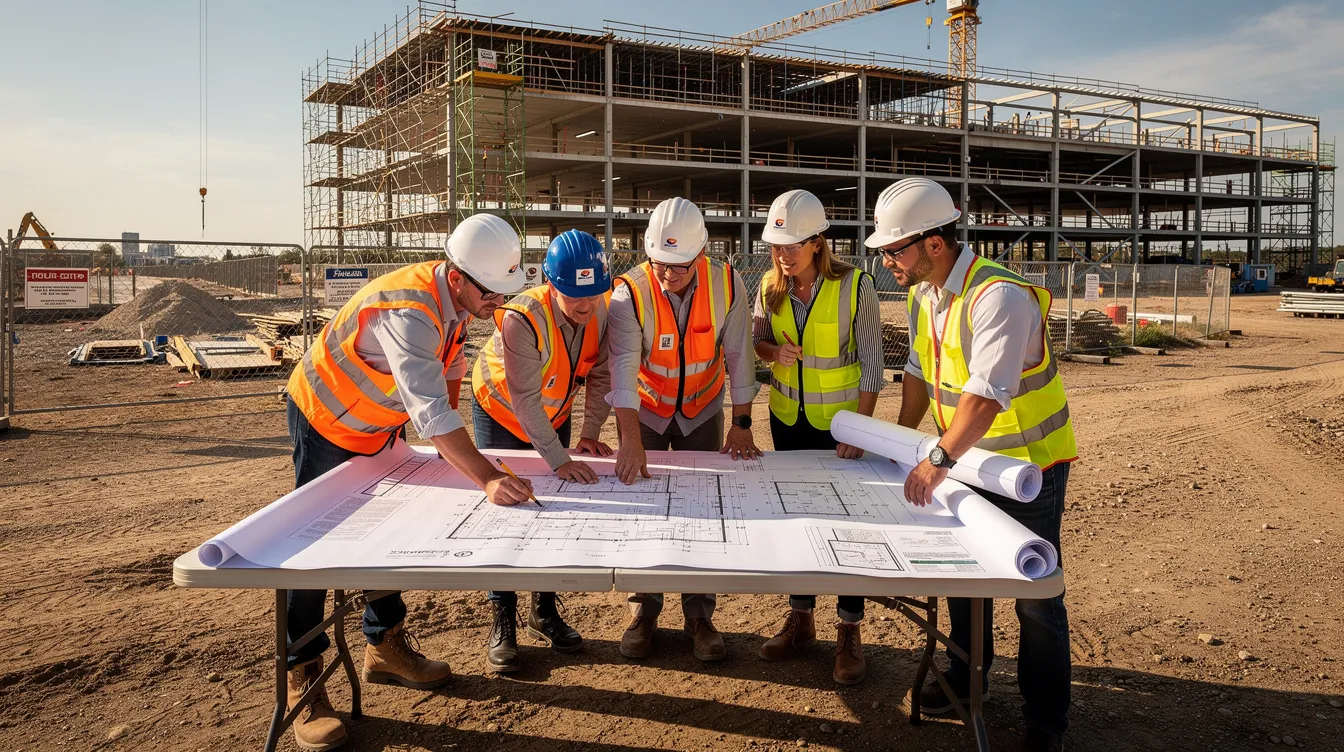
Professional negligence, as it applies to architects and engineers, means the failure to exercise the degree of care, skill, and diligence that a reasonably prudent design professional would use on a similar project under similar circumstances. Professional negligence claims allege failure to meet the applicable standard of care. Architect negligence occurs when performance standards are not met, and architects face malpractice claims due to client dissatisfaction when those failures produce real losses.
Plaintiffs must prove duty, breach, and financial loss to sue. The four elements in a Tennessee professional negligence case are:
A duty owed by the design professional to the claimant
Breach of the professional standard of care
Causation (both actual and proximate cause)
Damages (property damage, economic loss, or personal injury)
Lawyers may need to hire experts to determine whether a professional met the applicable standard of care. In Tennessee, expert testimony from another architect or engineer is almost always required to establish what the standard demands and whether it was breached. The Tennessee case of Martin v. Sizemore illustrates this: the court held that having many plan-review comments is not by itself proof of incompetence, and that plans need not be perfect. Architects must observe recognized standards of care in their work, but the standard is what reputable professionals in a similar community would do under similar conditions, not perfection.
A poor project outcome alone is not enough. There must be a demonstrable departure from professional standards that actually caused the loss. Architects can be sued for negligence if they breach their duty, but the claimant still bears the burden of proving the link between the breach and the resulting harm. These claims often proceed in parallel with contract claims, insurance coverage disputes, and contribution or indemnity claims against contractors and subcontractors.
Architect And Engineer Responsibilities On A Construction Project
Design professionals' responsibilities are spelled out in written agreements (AIA B101 for architects, custom engineering consulting contracts, or design-build agreements) and can vary from project to project. Architects must deliver a construction design suitable for the building’s intended use, and that obligation extends through multiple phases.
Core architectural responsibilities on commercial projects include:
Programming and schematic design
Code research and compliance verification
Preparation of construction documents and specifications
Coordination with structural, civil, and MEP engineers
Construction administration: responding to RFIs, reviewing submittals, conducting site visits, and managing punch lists
Core engineering responsibilities include:
Structural load calculations and foundation design
Site grading and storm-water management
HVAC, electrical, and plumbing system design
Delegated design coordination with specialty contractors
Disputes between architects and engineers often arise over coordination failures and design responsibilities. A frequent trouble spot is "scope creep" and blurred lines between design and construction means and methods. When an architect reviews shop drawings or answers RFIs in a way that contractors later claim changed the design, responsibility becomes contested. Clearly defining and documenting each party's role at contract formation reduces future dispute risk.
Common Examples Of Architect And Engineer Disputes
Problems on a commercial project rarely stem from a single mistake. More often, multiple design, coordination, and construction issues intersect on a fast-moving construction project. Common issues in A/E disputes include design errors and omissions, project delays, and scope-of-work disputes. Design errors can include inadequate structural calculations or conflicting engineering drawings, and errors in blueprints can lead to project-wide consequences.
Typical architect and engineer dispute scenarios in Tennessee include:
Mis-sized structural members causing deflection or cracking in a Jefferson County commercial build
Omitted waterproofing transitions at balconies in a Sevier County hotel, leading to water intrusion and mold
Inadequate storm-water drainage design for a Loudon County distribution center, resulting in parking-lot flooding and regulatory citations
Mis-coordinated mechanical and structural drawings requiring expensive field fixes and change orders on a Knoxville medical office
A/E disputes often involve questions of who bears responsibility for building code compliance. Errors in fire-separation analysis, egress paths, ADA accessibility, and misapplied wind or seismic design criteria are all frequent professional negligence allegations. Construction delay claims can result from insufficient design documentation, late architectural submissions, or delays in obtaining required permits, and determining project delays involves assessing causes such as design errors or permitting problems.
Claims may be brought by owners, contractors, subcontractors, tenants, or injured persons after a structural or systems failure.
Design Defects Versus Construction Defects
One of the first steps in analyzing architect or engineer liability is distinguishing between a "design defect" (the plans or specifications are flawed) and a "construction defect" (the work built in the field does not follow the plans or industry standards). The distinction determines who is responsible, which insurance policies respond, and how the case is structured.
Design defects are primarily the responsibility of architects and engineers. Examples: wrong structural load calculations, missing waterproofing details, omitted code requirements.
Construction defects are primarily the responsibility of contractors, subcontractors, or suppliers. Examples: improper installation, wrong materials, workmanship failures.
Mixed defects are common. An ambiguous plan detail and poor construction both contribute to the problem.
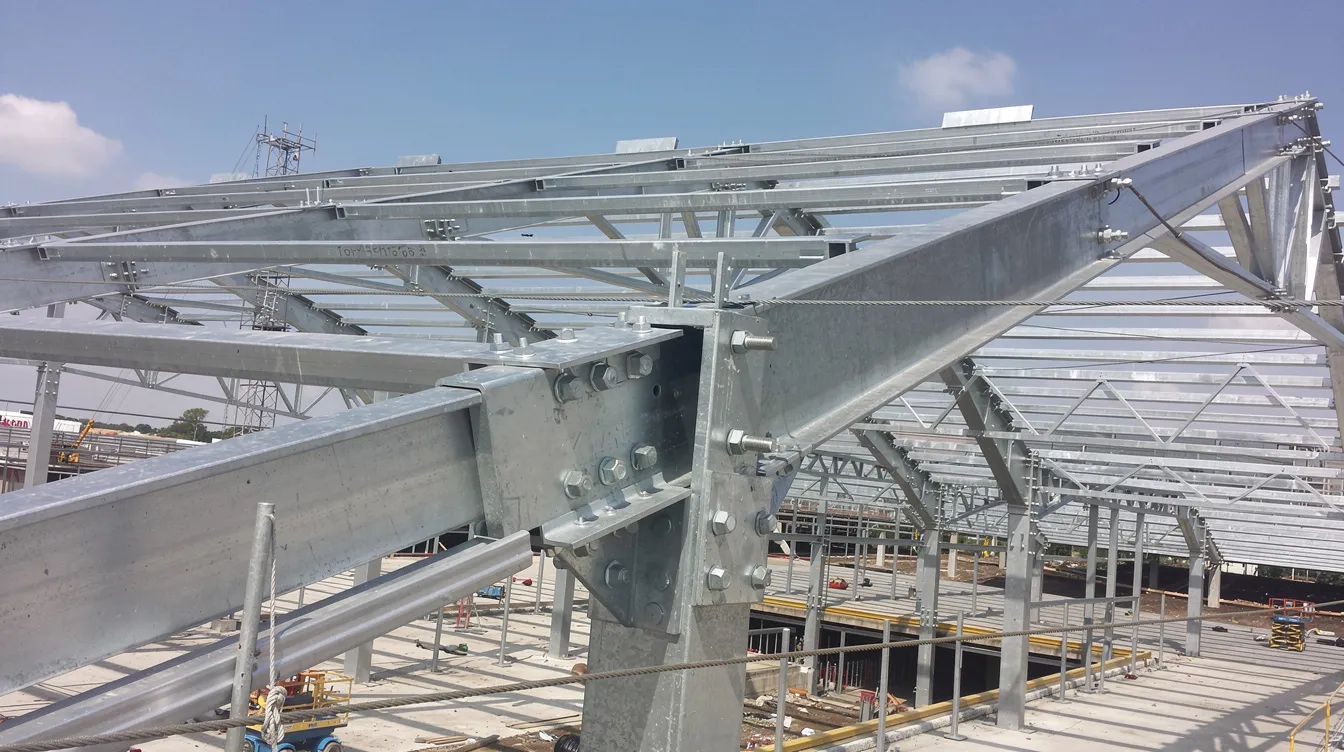
Consider a commercial roof failure in Knox County where underspecified fasteners (a design issue) combined with improper installation spacing (a construction issue). The owner, architect, engineer, general contractor, and roofing subcontractor all point fingers. Sorting this out requires expert analysis to trace each component of the damage back to either the design documents or the field execution.
Properly classifying defects affects which insurance policies respond. Professional liability (errors and omissions) policies cover design errors; general liability policies cover property damage from construction defects. Naming the wrong party or mischaracterizing the defect type can delay or derail recovery.
Professional Negligence, Breach Of Contract, And Other Legal Theories
Design professional disputes in Tennessee commercial construction rarely involve a single legal theory. Claimants generally assert several overlapping causes of action.
The most common theories include:
Professional negligence / malpractice: a departure from the applicable standard of care causing measurable harm. This is the core tort claim.
Breach of contract: the design professional fails to perform services as promised, whether by missing deadlines, omitting required site visits, or failing to coordinate disciplines in accordance with the agreement.
Breach of warranty: express or implied design warranties, especially in design-build contexts where the design professional warrants fitness for a particular purpose.
Misrepresentation or fraud: rare cases where critical design-related facts were concealed or misstated. Some jurisdictions also require a certificate of merit for lawsuits against architects or engineers, though Tennessee requirements differ from states with more formal certificate-of-merit statutes.
Available theories and damages differ depending on whether the plaintiff is a project owner, a contractor, a design subconsultant, or a third party. Privity of contract and economic-loss doctrines may limit certain tort claims. Tennessee appellate courts have addressed these boundaries; in John Martin Co. v. Morse/Diesel, the Tennessee Supreme Court held that privity is not always required for tort claims involving design misrepresentation.
In other states, architects may face disciplinary actions under statutes such as Florida Statute §481, which governs architect negligence liability. Tennessee's Board of Examiners handles licensing and disciplinary matters separately from civil lawsuits.
Early legal analysis prevents parties from waiving viable theories or missing contract-based remedies such as fee shifting or indemnity rights.
Statutes Of Limitation And Repose In Tennessee Construction Claims
Timing is critical in architect and engineer disputes. Strong claims can be lost if not filed before Tennessee's limitation and repose periods expire.
Tennessee imposes a four-year statute of repose under Tenn. Code Ann. § 28-3-202 for claims related to deficiencies in design, planning, supervision, observation of construction, or construction of an improvement to real property. The four years run from "substantial completion" of the improvement, not from discovery of the defect. In Chrismaj v. Haynes, the Tennessee Supreme Court confirmed that this statute of repose bars action even for non-negligence theories like nuisance.
For comparison, limitations periods vary across states. Florida has a two-year statute of limitations for architect negligence, and the statute of limitations begins when negligence is discovered in Florida. Louisiana has a five-year period for suing architects or engineers, and Louisiana's statute of repose limits suits to ten years post-completion.
A recent Tennessee legislative change deserves attention: Public Chapter 684 (effective April 24, 2026) provides that counterclaims, cross-claims, and third-party claims related to design or construction of an improvement are not subject to the four-year repose period. This matters for defendants asserting third-party liability after the original repose period has expired.
Contracts may shorten or modify claim deadlines by requiring prompt written notice of design errors, change-order disputes, or claims for additional compensation. Failing to comply may jeopardize a party's rights. Licensing-board complaints against design professionals operate under different timelines and rules than civil lawsuits.
Do not wait to act on a suspected design-related problem. Call (865) 259-0020 or contact DZ Law online as soon as you identify a potential issue.
Insurance Coverage And Risk Allocation For Design Professionals
Architect and engineer disputes are closely tied to insurance coverage. Which policy responds, and when, often determines how a dispute plays out financially. Professional liability (errors and omissions) policies, commercial general liability policies, and project-specific wrap policies each serve different functions.
Key coverages involved:
Architect/engineer professional liability: claims-made policies covering professional negligence within the policy period. If the policy lapses before a claim is made, the design professional may face uninsured exposure.
General liability: covers bodily injury or property damage arising from construction work. Typically responds to construction defects rather than design errors.
Project-wide policies (OCIP/CCIP): on large commercial developments in Knox or Sevier County, these may integrate multiple participants under a single program.
Indemnity and defense provisions in professional services agreements shift risk between owners, contractors, and design professionals. Those clauses interact with insurance policies in ways that require careful analysis. For example, an East Tennessee owner might tender a structural-failure claim to the architect's and engineer's professional liability carriers while the general contractor tenders to its CGL carrier. The carriers then negotiate over who must defend and indemnify, and those negotiations can last months.
DZ Law's combined experience in construction litigation, premises liability, and business and commercial litigation helps clients navigate overlapping coverage issues and pursue insurance recoveries that align with contract risk allocations.
Investigating Alleged Design Errors On A Construction Project
A careful factual investigation determines whether an architect or engineer truly caused a problem or whether other project participants, site conditions, or post-construction maintenance played the major role.
Categories of evidence DZ Law typically helps clients gather and analyze:
Design contracts, subconsultant agreements, and any amendments or change-order documents
Issued drawings, specifications, addenda, bulletins, RFIs, and submittal logs
Project correspondence: emails, meeting minutes, daily reports, and site observation reports
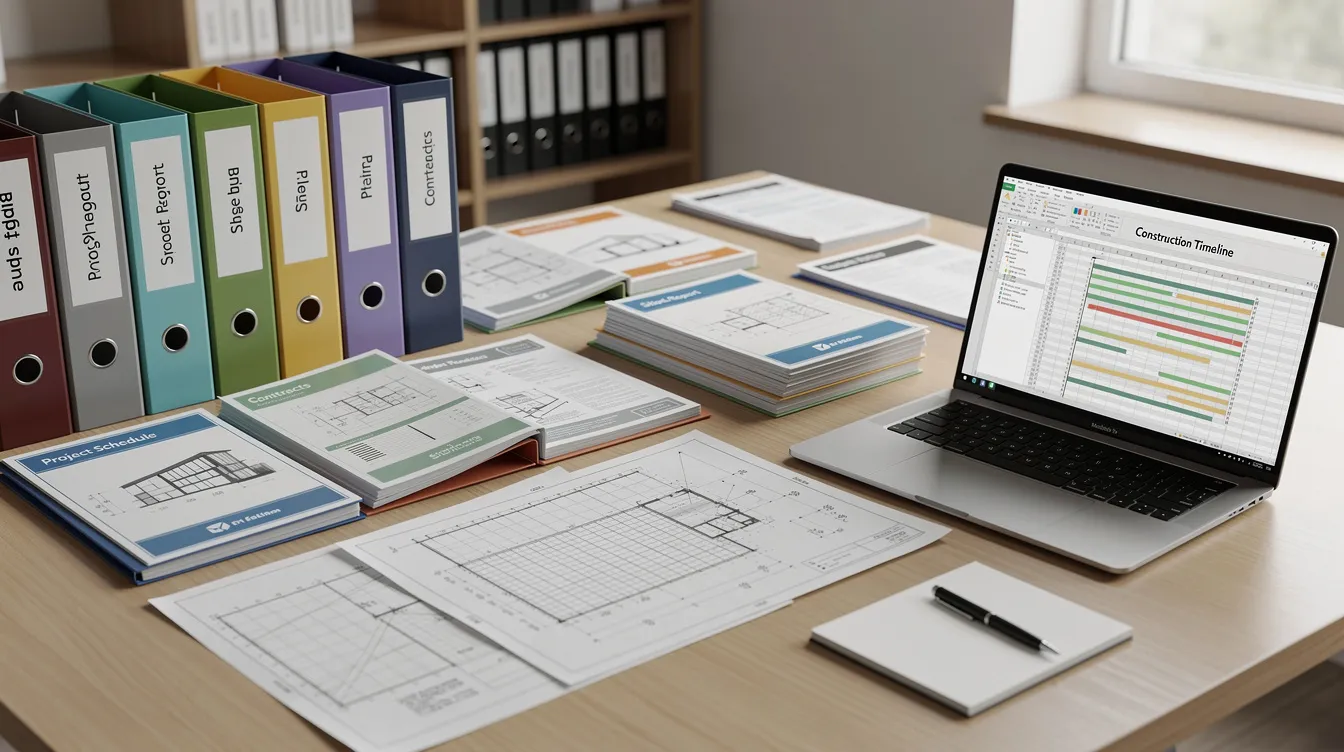
Schedules and delay analyses if time impacts are alleged
Photographs, videos, and testing or inspection reports documenting the alleged defect or failure
Managing expert witnesses is crucial in resolving complex design conflicts in construction disputes. Independent architects, engineers, and code specialists typically reconstruct the design intent, evaluate whether the standard of care was met, and quantify resulting damages. Without expert analysis, it is difficult to establish whether a design decision constituted inadequate research or a reasonable professional judgment.
Early attorney involvement helps secure the project record, send preservation letters, coordinate joint site inspections, and avoid spoliation claims in subsequent litigation or arbitration. Prospective clients should bring key documents (contracts, drawings, inspection reports, and major correspondence) to an initial consultation to make that first meeting as productive as possible.
Construction Arbitration And Litigation Of Architect/Engineer Disputes
Many Tennessee commercial construction contracts, including AIA owner-architect and owner-contractor forms, require arbitration of disputes rather than courtroom litigation. Construction contracts often require mediation or arbitration before litigation. Lawyers advocate for clients in mediation or arbitration to avoid lengthy litigation, and this procedural framework often governs claims involving design professionals.
How DZ Law approaches these disputes:
Early case assessment: identification of contract-mandated procedures (mediation, arbitration, litigation, notice provisions, and claim certification requirements)
Detailed claim preparation: tying alleged design errors or omissions to specific damages and schedule impacts in a clear statement
Document-heavy discovery management: including electronic project management platforms, Building Information Modeling (BIM) files, and expert exchanges
Representation in proceedings: mediation sessions, arbitration hearings, or trial in state or federal court if no arbitration clause applies
Construction arbitration can be faster and more specialized than traditional litigation but still requires rigorous organization of complex technical information. DZ Law's construction litigation and arbitration and appeals and federal court litigation practice groups work together to preserve appellate issues in arbitration-related motions and any subsequent court proceedings.
If you are facing a pending arbitration demand or lawsuit involving architect or engineer liability, call (865) 259-0020 or reach out through DZ Law's contact page for guidance.
Business And Contract Issues In Design Professional Disputes
Architect and engineer disputes on commercial projects are not only technical problems but also business problems, affecting payment, project financing, tenant build-outs, and long-term property value.
Common business-side conflict points:
Nonpayment or withholding of fees to design professionals after alleged errors emerge
Back-charges from owners or contractors for redesign costs, corrective construction work, and delay damages
Disputes over ownership of design documents and electronic models when the relationship breaks down
Conflicts about indemnity, limitation-of-liability clauses, and damage caps contained in professional services agreements
Disputes over change orders involving whether a design change was authorized and who must pay for it
Lawyers review contracts to define obligations and responsibility in A/E disputes. DZ Law's business and commercial litigation and business transactions and contracts practices help clients negotiate strong front-end contracts with clear scopes, notice provisions, and dispute-resolution clauses to minimize later conflicts. The firm assists regional design firms, developers, and contractors in Blount, Knox, Sevier, Loudon, Jefferson, and Cocke Counties with revising standard agreement templates to better allocate risk for future projects.
Where possible, negotiated resolutions that protect long-term professional and business relationships are preferable. When negotiation fails, DZ Law is prepared to litigate.
How DZ Law Assists Clients In Architect And Engineer Disputes
DZ Law, PLLC is a Tennessee-focused law firm with a practice devoted to construction litigation and arbitration, complex civil litigation, and related business disputes. A construction or professional liability lawyer at DZ Law can resolve disputes between architects and engineers, and between those professionals and the owners and contractors who rely on their work.
How the firm helps, by client type:
Owners and developers: evaluating potential claims against architects, engineers, and contractors; estimating recoverable damages; guiding clients through notice and claim procedures; prosecuting arbitration or litigation
Contractors and subcontractors: assessing whether design issues or construction means and methods are at fault; pursuing or defending pass-through claims; coordinating with insurers and sureties
Architects and engineers: defending professional negligence and breach-of-contract claims; coordinating with professional liability carriers; responding to project-related complaints or threatened licensing issues
The firm integrates knowledge from other practice areas, including premises liability (for injury-related consequences of alleged design errors) and appeals and federal court litigation, into a cohesive strategy. Tennessee's comparative fault statute (Tenn. Code § 29-11-107) requires fault allocation among all parties, and DZ Law manages this complexity from the beginning of a case.
Based in Blount County with clients throughout East Tennessee, including Knoxville and surrounding counties, DZ Law is ready to discuss the specifics of your situation. Call (865) 259-0020 or send a message online.
Practical Steps To Take If You Suspect A Design Problem
If you believe an architect or engineer issue may be emerging on your project, act promptly but carefully.
For project owners and developers:
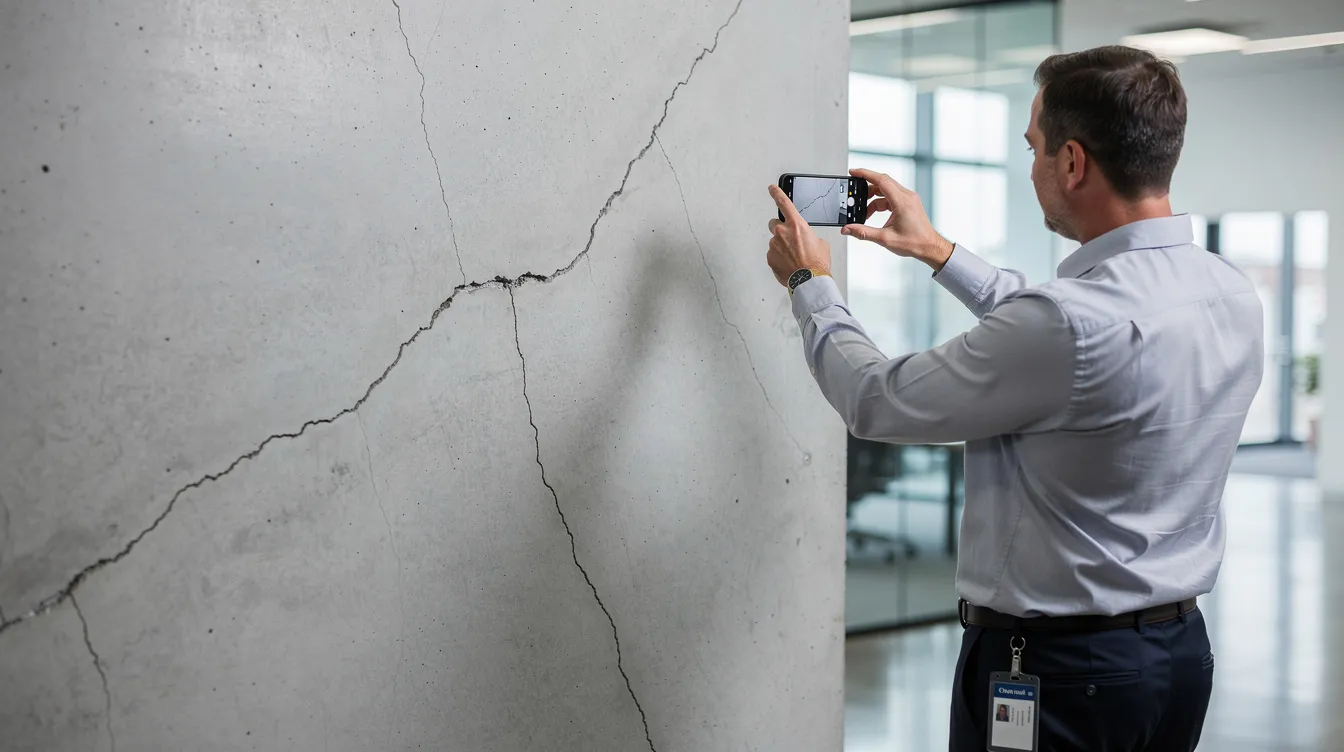
Document visible issues with photos, video, and contemporaneous notes
Notify key participants (the architect, engineer, and general contractor) in writing; be factual, not accusatory
Preserve all project emails, text messages, and cloud-based platform records related to the issue
Review your contract for notice, claim, and dispute-resolution provisions, and check project records related to permits, before stopping work, terminating relationships, or hiring replacement professionals
The following steps can help frame the contractor and subcontractor response.
For contractors and subcontractors:
Avoid unilateral field fixes that materially change the design without written approval
Submit RFIs or change-order requests as required by the contract to clarify design intent and protect rights to additional compensation or time
Track labor, materials, and delay costs related to any alleged design or coordination problem
Comply with all contract instructions regarding notice deadlines
Both sides should contact a construction litigation attorney at DZ Law early in the process. Missteps in the first weeks after discovering a design problem, such as destroying evidence or failing to send required notices, can permanently damage a legal position.
When To Call A Tennessee Architect And Engineer Dispute Lawyer
Waiting too long to seek legal advice makes it harder to untangle design versus construction responsibility, preserve the project record, and meet contractual and statutory limitations. Technical disputes in construction often require specialized legal counsel due to their complexity.
Contact a Tennessee construction lawyer when:
A building department in Knoxville, Maryville, or another East Tennessee jurisdiction has failed or withdrawn approvals based on alleged design or code-compliance issues, or your project cannot pass inspection
Your commercial project is experiencing serious delays or cost overruns that contractors or owners are blaming on defective plans or engineering
You have received a demand letter, arbitration demand, or complaint alleging professional negligence, breach of contract, or code violations by a design professional
A professional liability carrier is reserving rights or disputing coverage for a design-related claim
An experienced Tennessee construction lawyer can assess whether professional negligence is truly at issue, what damages might be recoverable, and which forum (mediation, arbitration, state court, or federal court) is the right venue. Gather key project documents before calling so that the initial consultation can cover specifics like contract language, timelines, and the nature of the alleged defects.
Call DZ Law at (865) 259-0020 or send a confidential message through the firm's online contact form to speak with a Tennessee attorney about architect and engineer liability on your commercial project.
Frequently Asked Questions About Architect And Engineer Liability On Commercial Projects
This FAQ section addresses common questions about design professional disputes on Tennessee commercial construction projects.
Can I sue both the architect and the engineer if I am not sure who is at fault?
In many Tennessee cases, owners and contractors bring claims against multiple parties, including the architect, structural engineer, civil engineer, and contractor, because it is not clear at the outset which participant is primarily responsible. The allocation of fault is sorted out through investigation, expert analysis, and, if necessary, litigation or arbitration. Tennessee comparative fault principles apply among multiple defendants, and each party is severally liable for their assessed percentage of fault. DZ Law evaluates which parties to include on behalf of clients based on the contracts, project records, and early expert input.
What if my contract requires mediation or arbitration before going to court?
Many commercial construction and design contracts in Tennessee include tiered dispute-resolution clauses requiring mediation as a first step, followed by binding arbitration instead of court. Failing to follow these agreed procedures can delay or jeopardize your claim, and a court may compel arbitration if the contract requires it. An attorney at DZ Law can review your agreements, determine which procedures apply, and represent you in mediation, arbitration, or any related court proceedings.
Do architect and engineer disputes ever involve personal injury claims?
While many design professional disputes are purely economic, some involve injuries. A balcony railing failure or unsafe stair design that causes a fall at a commercial property, for example, combines premises liability, construction defect, and professional negligence theories, and may trigger both professional liability and general liability insurance policies. Personnel and workers on site may also be affected. DZ Law's experience in premises liability and construction litigation allows the firm to handle the injury and design-defect aspects together.
What documents should I gather before meeting with a lawyer about a design dispute?
Bring signed contracts and amendments, key emails and letters, drawings and specifications, change orders, pay applications, inspection and test reports, photos of the problem, and any notices or permits from building officials or insurers, if relevant. A basic project timeline and a summary of major events or issues will also help. Do not delay contacting DZ Law simply because your file is incomplete; the firm can help identify and obtain missing materials through due diligence and discovery.
Does DZ Law represent clients outside of Knoxville?
DZ Law is based in Blount County but regularly represents construction and design-related clients across East Tennessee, including in Sevier, Knox, Loudon, Jefferson, and Cocke Counties, as well as in Tennessee state and federal courts. The firm handles both local commercial projects and disputes involving regional or out-of-state owners, contractors, and other design professionals with projects in Tennessee. Contact the firm at (865) 259-0020 or through the online contact form to discuss whether DZ Law is a good fit for your matter.