Top Construction Defect Lawyer: Your Guide to Legal Support and Claims
Small problems in a construction project rarely stay small. A hairline crack in a foundation wall, a slow leak behind newly installed siding, or an HVAC system that never quite performs as specified-these are the kinds of issues that property owners and contractors sometimes try to handle informally, hoping the problem resolves itself. It usually doesn't. What starts as a minor punch-list item can escalate into significant structural damage, lost rental income, or a multi-party dispute that drags on for years.
This article breaks down how construction defect litigation works in Tennessee, what you need to know about deadlines, evidence, and legal theories, and how to protect your rights whether you are an owner, contractor, or design professional operating in East Tennessee.
Key Takeaways
DZ Law, PLLC helps owners, contractors, and businesses across East Tennessee navigate construction defect claims before they become full-scale construction defect lawsuits. The firm's construction litigation & arbitration practice is built for the kinds of disputes that arise in Blount, Knox, Sevier, Loudon, Jefferson, and Cocke Counties-where geography, climate, and rapid development create fertile ground for construction problems.
Tennessee construction defect cases often turn on contract language, notice and opportunity-to-repair requirements, and strict statutes of limitation and repose that can bar claims permanently if missed.
Common construction defects in the region include water intrusion, foundation movement, HVAC failures, roofing materials breakdowns, and code-related issues in both residential and commercial projects.
Early involvement of a construction defect attorney, coordinated with engineers and other construction experts, can preserve evidence, manage repair efforts, and reduce business disruption.
Construction defect lawyers specialize in legal issues arising from faulty design and workmanship, helping identify liable parties and manage legal claims from initial assessment through resolution.
Ready to discuss your situation? Call DZ Law at (865) 259-0020 or message us online for a construction litigation & arbitration consultation.
How DZ Law Approaches Construction Defect Claims in East Tennessee
DZ Law's construction litigation & arbitration practice is based in Blount County and regularly handles construction defect claims throughout Sevier, Blount, Knox, Loudon, Jefferson, and Cocke Counties. The firm understands that construction disputes in this region carry specific risks-hilly terrain that complicates drainage and foundations, a booming short-term rental market that amplifies lost-income damages, and a construction industry where projects move fast and documentation sometimes falls behind.
The firm represents property owners, general contractors, subcontractors, developers, and construction-related businesses in construction defect cases, including both prosecuting and defending claims. They help homeowners and property owners hold builders accountable for damages, while also defending contractors and subcontractors against overbroad or unsupported allegations.
DZ Law's approach is document-driven. Before recommending litigation or arbitration, the firm conducts a careful review of construction contracts, change orders, payment applications, project schedules, emails, and site photographs. This upfront investment in understanding the project record shapes every strategic decision that follows. The firm also integrates construction defect issues with other key practice areas, including business & commercial litigation for breach of contract and partnership disputes, and appeals & federal court litigation for high-stakes construction defect appeals.
To schedule a focused case assessment, call (865) 259-0020 or reach out through DZ Law's online contact form.
What Counts as a Construction Defect Under Tennessee Law?
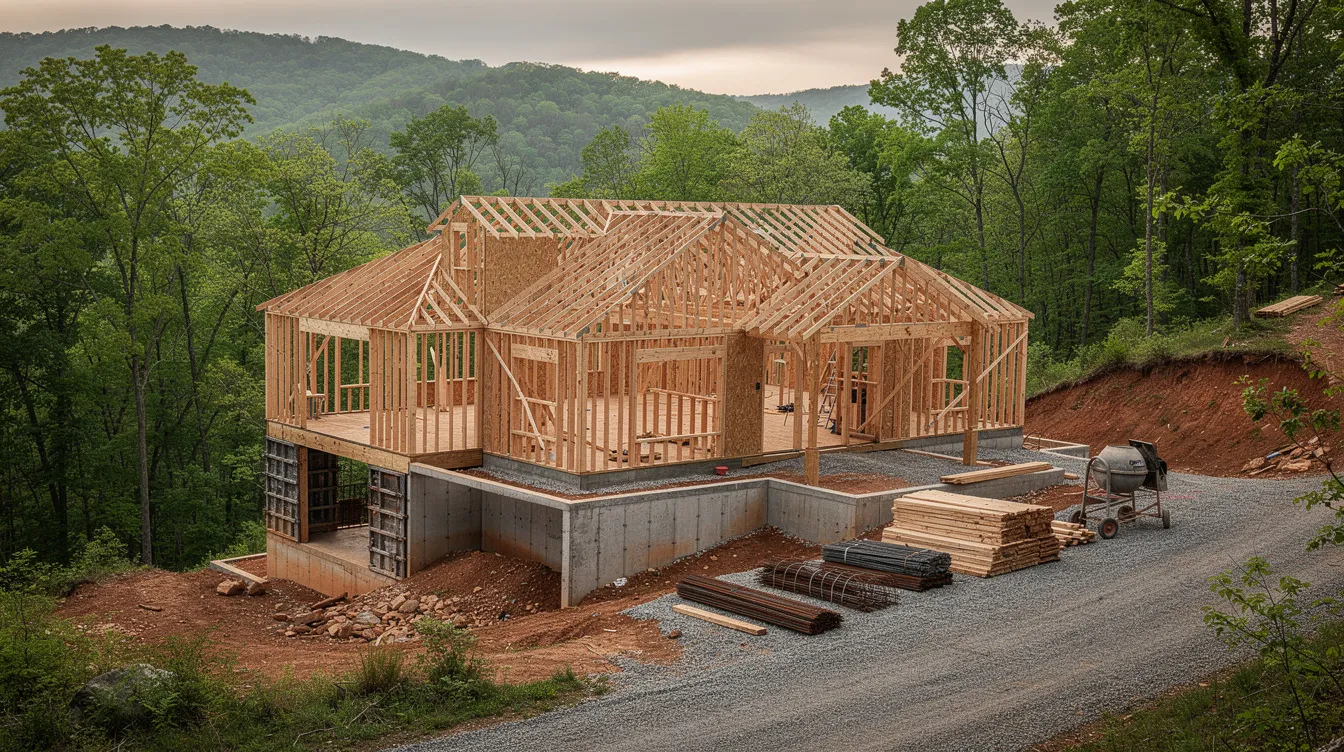
In practical terms, a construction defect is a problem in design, materials, workmanship, or site conditions that causes property damage, creates safety concerns, or violates contract requirements or local building codes. Tennessee law defines construction defects broadly under Title 66, Chapter 36 to include deficiencies arising from design, specifications, surveying, planning, supervision, observation of construction, or the construction work itself.
The distinction between patent and latent construction defects matters significantly. A patent defect is immediately visible-an obvious roof leak or misaligned doors noticed shortly after completion. A latent defect is hidden, not discoverable through reasonable inspection. Foundation settlement that appears several years after construction, moisture damage concealed behind drywall, or structural issues embedded in wall cavities are classic examples. This distinction affects when deadlines start running and how courts evaluate whether a property owner acted promptly enough.
Construction defects can arise in new construction, renovations, tenant build-outs, and home-improvement projects across the construction industry in East Tennessee. Some defects primarily create economic damages-repair costs, loss of use, diminished property value. Others may also create premises liability or personal injury exposure if someone is hurt because of the condition. A collapsing deck railing, faulty electrical wiring causing a fire, or severe damage from a structural failure can all cross the line from property dispute to injury claim.
Consider two scenarios common in this region: a 2023 Knoxville commercial build-out where HVAC systems were undersized for the tenant space, causing chronic temperature failures and triggering lease disputes, or a 2022 Sevier County cabin development where retaining walls designed for a steep hillside lot began shifting within eighteen months of completion, threatening the structure above and the road below.
Common Categories of Construction Defects
Most construction defect claims fall into four overlapping categories: design defects, material defects, workmanship defects, and subsurface or soil defects. Common construction defects include design deficiencies and defective materials, but the reality is that many disputes involve a combination of all four. Correctly identifying the category helps determine who may be responsible-designer, contractor, subcontractor, supplier, or developer-and what insurance policies or contractual remedies may apply.
Tennessee construction defect litigation often involves multiple defect categories at once. A leaking building envelope, for example, might trace back to poor design combined with improperly installed flashing and unsuitable roofing materials. Sorting out these overlapping causes is where experienced construction defect lawyers earn their value, working alongside engineers and forensic consultants to pinpoint responsibility.
Design Defects in Residential and Commercial Projects
Design defects are problems embedded in architectural, structural, civil, or MEP (mechanical, electrical, plumbing) plans that cause failures even when built exactly as drawn. Design defects arise from errors in architectural or engineering plans, and they often implicate architects or engineers for negligence in failing to meet applicable building codes and industry standards.
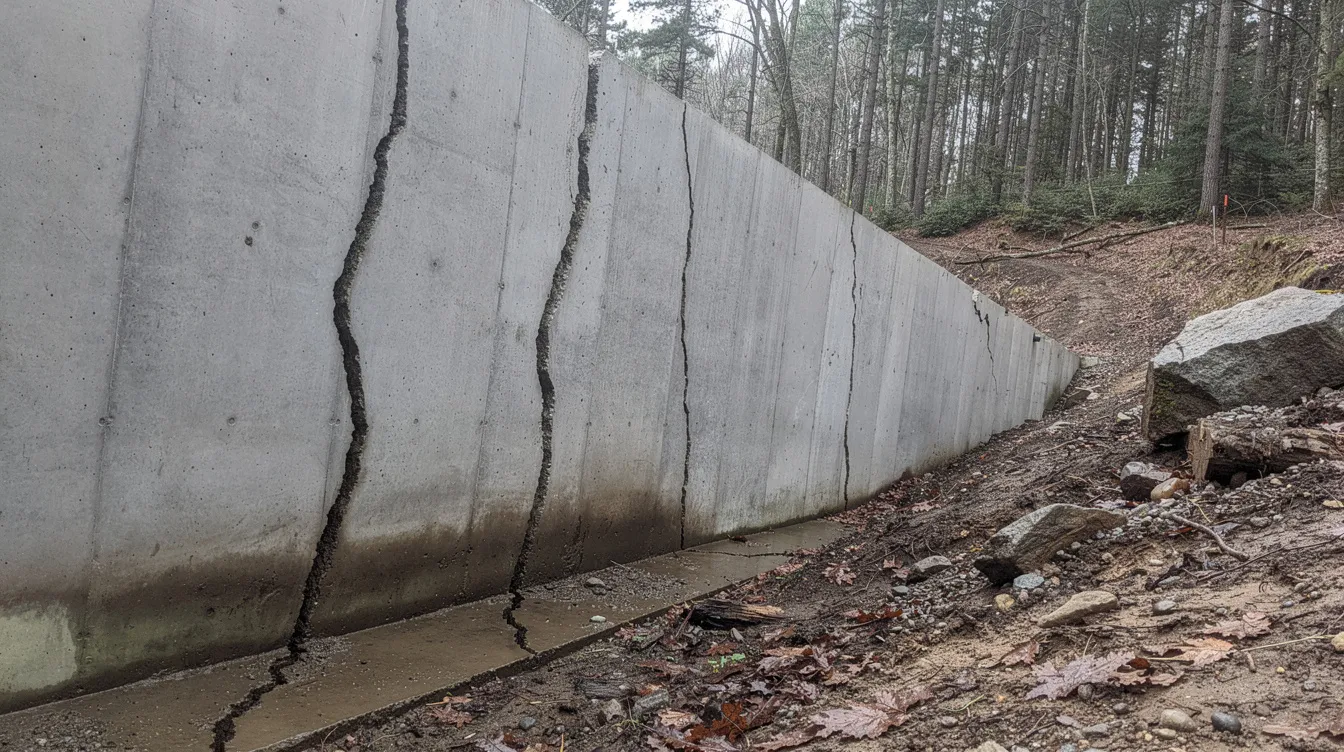
In East Tennessee, specific examples include undersized structural members in a Blount County custom home that couldn't support loads specified in the building code, inadequate roof slope on a Knoxville retail center causing chronic ponding and leaks, or poorly designed retaining walls on a Sevier County hillside lot that failed to account for local soil and drainage conditions.
Design-related construction defect claims typically require expert testimony to compare the plans as drawn against applicable codes and industry standards. DZ Law evaluates contracts between owners and design professionals, including limitation-of-liability and indemnity clauses, when considering a construction defect lawsuit involving design errors. These contractual obligations can significantly affect what a claimant can recover and from whom.
Material and Product Defects
Material defects involve the use of substandard or unsuitable building materials that fail prematurely or don't perform as specified. Defective windows, siding systems, roofing materials, or structural components can all fall into this category.
Common real-world issues in East Tennessee include premature failure of composite decking, water intrusion around window systems that don't meet the manufacturer's performance ratings, and defective EIFS/stucco installations that trap moisture behind exterior walls. Material defects can lead to liability for manufacturers, distributors, and material suppliers, with legal theories including breach of warranty, product liability, and breach of contract.
DZ Law works with forensic engineers and product experts to determine whether problems stem from material failure versus improper installation or improper maintenance by the owner. This distinction is critical: a product that fails because it was improperly installed is a workmanship issue, not a material defect, and the responsible parties differ accordingly.
Workmanship Defects and Poor Construction Practices
Workmanship defects result from errors during the construction process-how the work was actually performed on-site. Examples include improper flashing, inadequate soil compaction, misaligned framing, non-compliant electrical or plumbing work, and concrete poured without proper slope or reinforcement.
Consider roof flashing installed contrary to manufacturer specifications on a Knoxville multi-family building, allowing water behind the wall assembly for months before anyone noticed staining. Or improperly sloped exterior concrete at a Blount County retail center causing chronic ponding and ice hazards every winter. These types of construction defects are common claims in the region.
Workmanship construction defect cases often turn on contract specifications, project manuals, and applicable codes, along with photographs, inspection reports, and testimony from qualified contractors. DZ Law represents both owners alleging substandard workmanship and contractors or subcontractors defending their construction work against overbroad or unsupported defect allegations.
Subsurface, Drainage, and Foundation Problems
Subsurface defects relate to issues with soil conditions, foundation design, grading, drainage, and retaining walls. These are particularly common in the hilly and sloped terrain across East Tennessee, where water management is critical and geotechnical conditions vary dramatically from site to site.
Specific examples include a Loudon County subdivision experiencing foundation settlement and foundation cracks from inadequate soil compaction, or a Sevier County short-term rental cabin with slope instability and retaining wall movement threatening both the structure and neighboring properties. Structural failures tied to subsurface problems can be among the most expensive defects to remediate.
These construction defect claims frequently require geotechnical and structural engineering input to determine whether site conditions were properly evaluated and addressed during design and construction. Remediation costs for subsurface defects can run into six figures or more, making early legal analysis, claim strategy, and insurance coverage review particularly important. When a defect occurs at the subsurface level, the window for cost-effective repair narrows quickly.
Typical Legal Theories in Tennessee Construction Defect Cases
Construction defect litigation in Tennessee usually relies on multiple legal theories at once, depending on the contracts in place and the relationships between the parties. Construction defect lawyers manage legal claims and identify liable parties across these overlapping theories, building legal arguments that account for the specific facts of each case.
The most common claims include breach of contract, negligence, breach of warranty, misrepresentation or fraud, and in some instances claims tied to Tennessee consumer-protection statutes. DZ Law analyzes which theories fit best for a particular construction defect case, taking into account damage types-purely economic versus property damage or personal injury-available insurance policies, and contractual risk allocations. These theories also impact litigation strategy in related areas, such as business & commercial litigation for disputes between business partners, joint ventures, or LLC members involved in construction projects.
Recoverable damages in defect litigation can include repair costs, diminished property value, temporary housing expenses when an existing residence is uninhabitable, lost rental income, legal fees, and personal injury damages if defective construction caused physical harm.
Breach of Contract and Warranty Claims
A breach of contract claim is often the core theory in construction defect claims, focusing on whether the construction work met the written contract, drawings, specifications, and change orders. A contract claim requires careful comparison of what was promised against what was delivered.
Tennessee courts often enforce written terms strictly, so DZ Law emphasizes early collection and review of all project documents, including email change directives and text-message approvals that may modify the original scope. Express and implied warranties commonly found in construction contracts and residential sales-workmanship warranties, implied warranties of habitability, and code-compliance commitments-add additional layers of potential liability.
Consider a 2022 Knoxville commercial build-out where HVAC systems failed to meet specified performance standards, affecting tenant operations and triggering claims for lost rental income. The contract specified detailed performance criteria, making the gap between promise and performance straightforward to demonstrate-but only if the owner had preserved the relevant documents from the construction process.
Negligence, Misrepresentation, and Other Common Claims
Negligence in the construction context means failing to exercise reasonable care in design, construction, supervision, or inspection, resulting in construction defects and damages. This theory applies to contractors, architects, and engineers who can be held liable for defects when their work falls below safety standards or accepted practice.
Misrepresentation or concealment claims may arise when a seller, contractor, or developer fails to disclose known defects or represents that conditions are better than they truly are. These claims can overlap with premises liability or personal injury issues if someone is hurt due to a construction defect-for example, a visitor injured on unsafe stairs in a recently renovated Knoxville property.
DZ Law's broader civil litigation and premises liability experience helps evaluate when construction defect issues cross over into injury or wrongful death exposure. Establishing liability often requires showing not just that a defect exists, but that a specific party's conduct caused the harm and that the defect violated applicable standards. Comparative negligence principles in Tennessee may also affect recovery, particularly when multiple parties bear responsibility for the condition.
Evidence and Experts in Construction Defect Litigation
Defect litigation is evidence-heavy, often rising or falling on documentation, site inspections, and credible expert testimony. Attorneys investigate defects with experts to determine root causes, and construction defect lawyers help document evidence to support claims from the earliest stages.
DZ Law typically gathers contracts, plans, RFIs, submittals, daily reports, inspection records, photographs and videos, repair invoices, and communications between all parties. This detailed examination of the project record forms the backbone of any construction defect case.
Experts-structural engineers, architects, building envelope consultants, geotechnical engineers, and cost estimators-are often necessary to establish the existence of construction defects, causation, and reasonable repair costs. Successful cases often depend on expert testimony from these various professionals, and construction defect cases require expertise in both construction processes and law. DZ Law's appeals & federal court litigation experience includes Daubert-style challenges and complex expert motion practice, which informs how the firm prepares experts from the outset.
Working with Technical Experts
DZ Law coordinates site inspections and destructive testing (where appropriate) with experts to minimize disruption to ongoing operations or occupancy. The firm helps clients understand the costs and benefits of early expert involvement, including whether initial consulting-only opinions or full written expert reports are needed at a given stage.
Expert testimony is crucial in construction defect cases. Experts help establish the existence and causation of defects, and expert reports strengthen claims by providing authoritative explanations of what went wrong and why. Expert witnesses must communicate complex concepts clearly to judges, arbitrators, and juries who may have no specialized knowledge of construction methods. The credibility of experts can significantly impact case outcomes-a well-prepared expert with relevant field experience carries far more weight than one offering generic opinions.
Carefully framed expert scopes keep the focus on key issues in dispute, such as whether a specific construction defect actually caused the claimed damage or whether an alternative repair plan is feasible at a reasonable cost. In multi-party construction defect cases, DZ Law considers how expert evidence will play out in mediation, arbitration, and trial, and how it may later be viewed on appeal.
Key Deadlines: Statutes of Limitation and Repose in Tennessee
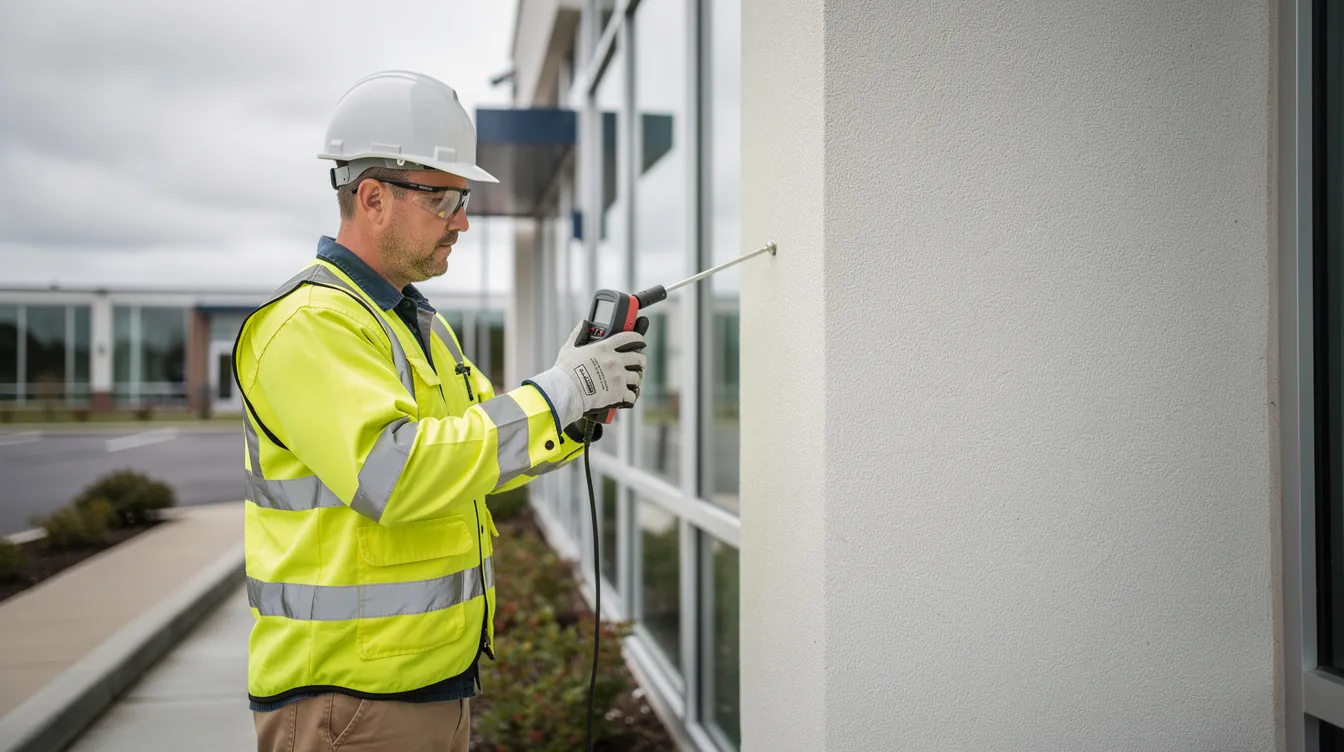
Understanding deadlines is one of the most critical aspects of any construction defect case. Construction defect laws vary by state, including notice requirements and statutes of limitations, and Tennessee's rules create traps for owners and contractors who delay taking legal action.
Tennessee imposes a statute of repose requiring that claims arising from defective construction be filed within four years of substantial completion of the project. Statutes of repose impose absolute deadlines for filing claims-this four-year window runs regardless of whether the defect has been discovered. Once the repose period expires, the claim is gone permanently. For comparison, in Texas, homeowners have up to 12 years to file claims, and other states have their own frameworks. Georgia law requires homeowners to follow specific procedures before suing for construction defects, illustrating that every state's approach differs.
Within that repose period, the statute of limitations is generally tied to discovery. Claims involving latent defects must typically be filed within a reasonable period after discovery of the defect. If a defect surfaces during the fourth year of repose, the owner has one additional year from discovery to file suit. But waiting is risky: homeowners must follow specific notice requirements before filing claims under Tennessee Code § 66-36-103, and failure to preserve evidence or send proper notices can undermine otherwise valid claims.
The practical impact is clear: owners, contractors, and developers cannot safely "wait and see" for long. DZ Law quickly evaluates potential filing deadlines as part of an initial consultation and may recommend immediate steps such as sending preservation letters, pre-suit demand notices, or statutory notices of claim.
Practical Steps When You Suspect a Construction Defect
What you do in the first few weeks after noticing a problem often shapes the rest of the construction defect case-whether you are a property owner, contractor, or design professional.
Document everything. Documenting issues with photos and logs is essential before legal action. Take date-stamped photographs and videos, keep a written log of when issues arising from the defect first appeared, retain all repair estimates, and preserve any communication with contractors, tenants, or insurers.
Review governing contracts. Check construction contracts, warranties, and leases to identify notice requirements, opportunity-to-repair procedures, and dispute-resolution clauses (such as mandatory arbitration through the American Arbitration Association). DZ Law's prior discussion of home improvement contracts in Tennessee highlights how easily these provisions can be overlooked.
Don't make extensive repairs before consulting counsel. Avoid invasive repairs or signing broad releases before speaking to a lawyer. These actions can destroy evidence, alter structural components, and affect legal rights in later construction defect litigation. Attorneys ensure compliance with local regulations and building codes during any interim repair work.
Act quickly on notice. Tennessee's statutory notice framework requires claimants to serve written notice on the contractor or design professional describing the defect. The responding party then has rights to inspect and make an offer to repair. Failing to follow this process can create problems later.
If you're in Blount, Knox, Sevier, Loudon, Jefferson, or Cocke County and suspect a construction defect, call (865) 259-0020 or message DZ Law online before taking further action.
Owners, Contractors, and Subcontractors: Who Is at Risk?
Construction defect claims rarely involve only one party involved. Owners, developers, general contractors, subcontractors, design professionals, and material suppliers may all face exposure in a construction defect lawsuit. Multiple parties may share liability in construction defect claims, and proving liability requires tracing each defect to the responsible parties accountable for that portion of the work.
For property owners and investors, the risks include diminished property value, lost rental income, business-interruption losses, and potential premises liability if defects injure visitors or tenants. For contractors and subcontractors, exposure includes breach of contract claims, indemnity demands, backcharges, warranty claims, and insurance coverage disputes related to alleged defective construction.
DZ Law's business & commercial litigation practice handles related internal disputes that often arise in these scenarios-member or partner conflicts over how to fund repairs, disagreements about whether to settle or fight a defect claim, and disputes with property managers about who should have caught the problem earlier.
Risk Management and Contract Strategies to Prevent Construction Defect Litigation
The most cost-effective way to handle a construction defect dispute is to prevent it-or at least to have the right contractual tools in place when one surfaces.
Contract provisions that help manage risk include clear scopes of work, detailed specifications, insurance and additional-insured requirements, indemnity clauses, limitation-of-liability provisions, and well-drafted dispute-resolution clauses. These provisions should be tailored to the specific construction project and the potential challenges that East Tennessee's terrain and climate present.
Compliance with Tennessee law is essential. DZ Law has previously addressed Tennessee construction theft statutes and home-improvement contract pitfalls that can expose contractors and owners to unnecessary risk. Getting these details right at the contract stage is far less expensive than sorting them out in court.
Through its business transactions & contracts practice, DZ Law works with contractors, developers, and property owners to draft and negotiate construction and related business agreements designed with litigation realities in mind. Business clients planning major projects or joint ventures should consult the firm before breaking ground so that risk allocation for potential construction defects is addressed at the contract stage rather than in a courtroom.
Litigation, Arbitration, and Mediation in Construction Defect Cases
Construction defect disputes in East Tennessee are resolved in several forums: state courts, federal courts, and private arbitration (often under AAA or similar rules), with mediation frequently used at key stages. The choice of forum can significantly affect procedural rules, timelines, costs, and the availability of appellate review.
Construction defect contracts frequently contain arbitration clauses requiring disputes to be resolved outside of court, with different procedural rules and limited appellate review. DZ Law evaluates these clauses carefully, advising clients on whether arbitration serves their interests in a given case and preparing accordingly.
The firm's approach to early case assessment includes discovery planning and motion practice-such as summary judgment on contract interpretation issues arising from complex cases-to position clients for effective negotiation or trial. They negotiate settlements and file lawsuits when necessary, always calibrating strategy to the client's business objectives and the realistic range of favorable outcomes.
Mediation is commonly used in multi-party construction defect litigation to coordinate among insurers, design professionals, contractors, and owners. DZ Law prepares clients in advance with realistic repair-cost analyses and risk assessments. For situations involving federal jurisdiction or post-judgment appeals, the firm's appellate practice ensures that issues are preserved during the trial or arbitration phase for later review.
How DZ Law Integrates Construction Defect Issues with Other Civil Litigation
Construction defect cases often intersect with other areas of DZ Law's practice, making a coordinated approach valuable for clients dealing with issues arising from defective construction.
When construction defects lead to premises liability claims-for example, a visitor injured by a collapsing balcony or falling through a deteriorated floor-the firm's premises liability experience becomes directly relevant. In rare but serious scenarios, injuries caused by construction defects may also involve medical malpractice questions if the resulting care falls below standards, or wrongful death claims if the outcome is fatal.
Business & commercial litigation may be necessary to address related disputes such as shareholder disagreements over repair budgets, insurance-coverage fights, or disputes with property managers. In large or precedent-setting construction defect cases, DZ Law's appellate experience helps evaluate whether to seek interlocutory appeals or challenge significant trial rulings after judgment.
When to Call a Construction Defect Lawyer in Blount, Knox, and Surrounding Counties
Certain events should prompt immediate contact with an experienced attorney who handles defect litigation: new signs of structural movement or water intrusion in a completed project, repeated system failures after the construction process wraps up, threat or receipt of a construction defect claim letter from an opposing party, or notice of an insurer's reservation-of-rights regarding coverage for alleged defects.
Early consultation is critical even if you are still hoping to resolve the matter informally. Deadlines may already be running, and early missteps-such as incomplete releases, poorly documented repairs, or failure to send proper statutory notice-can weaken future claims or defenses. Choosing a construction defect lawyer with relevant experience and reputation is important, and the firm you select should have specialized knowledge of both construction law and the local courts where your case will be heard.
DZ Law offers strategic case assessments tailored to the project's size and stakes, whether it is a single-family home in Maryville, a multi-tenant commercial building in Knoxville, or a rental-cabin development near the Great Smoky Mountains. The law firm handles complex cases across the region, providing legal representation grounded in practical experience with East Tennessee's courts, mediators, and opposing parties.
Call (865) 259-0020 or send a message online to discuss your potential construction defect case.
Why Choose DZ Law for Construction Defect Litigation & Arbitration
Construction litigation & arbitration is one of DZ Law's six primary practice groups, backed by experience in complex civil litigation, appeals, and business disputes directly relevant to construction defect claims. The firm isn't a general practice office that occasionally handles a construction case-defect claims are a core part of what it does.
DZ Law's East Tennessee roots and regular work in courts across Blount, Sevier, Knox, Loudon, Jefferson, and Cocke Counties give clients local insight into judges, mediators, and opposing counsel. That familiarity with the local landscape-both legal and geographic-translates into more realistic assessments, better-prepared arguments, and fewer surprises.
Effective communication with clients is crucial for construction defect representation, and DZ Law is committed to clear communication, realistic risk assessment, and practical advice designed to protect both the physical asset and the client's overall business or personal financial picture. The firm works to gather evidence early, coordinate with construction professionals and expert witnesses, and position every case for the strongest possible outcome-whether that means a negotiated resolution or a trial.
Contact DZ Law today by calling (865) 259-0020 or reaching out through the firm's online contact portal to schedule a consultation about your construction defect litigation needs.
Frequently Asked Questions About Construction Defect Claims in Tennessee
The FAQs below address common questions focused on Tennessee-specific concerns that aren't fully covered elsewhere on this page.
Can I pursue a construction defect claim if the contractor has already tried to fix the problem?
Prior repair attempts do not automatically bar a construction defect claim, but they can affect evidence, damages calculations, and deadlines. Tennessee owners should keep detailed records of what was done, who paid for it, and whether problems persisted after the repair. DZ Law evaluates whether additional notice or opportunity-to-repair steps are required under the contract or applicable statutes before filing suit or demanding arbitration.
What if my construction defect is in a rental or short-term vacation property?
Construction defects in rental homes, apartments, or short-term rentals-such as cabins near the Smokies-can create additional losses like lost rental income and reputational harm, which may be part of a construction defect claim alongside standard repair costs. DZ Law considers lease obligations, local ordinances, and tourism-related issues arising from the property's use when assessing damages and strategy in these cases.
Will my insurance company handle everything if I am sued over an alleged construction defect?
While commercial general liability (CGL) or professional liability insurance policies may provide defense and coverage for certain construction defect claims, insurers frequently issue reservation-of-rights letters or dispute coverage entirely. Contractors, developers, and owners should not assume the insurer's appointed counsel is addressing all business and long-term risk issues. DZ Law can help evaluate coverage positions, identify gaps, and coordinate with insurance counsel when appropriate to protect the client's broader interests.
Do I have to wait until a defect causes major damage before contacting a lawyer?
No. Owners and contractors should contact an experienced construction defect attorney as soon as credible concerns arise, even if damage appears limited. Waiting can complicate repairs, increase costs, and risk missing legal deadlines under the statute of limitations or repose. DZ Law helps clients weigh options at an early stage, including monitored repairs, targeted investigations, and pre-suit negotiations that may resolve issues before severe damage develops.
Can DZ Law help with contract drafting to reduce future construction defect risk?
Yes. Through its business transactions & contracts group, DZ Law regularly drafts and reviews construction contracts, subcontracts, and related agreements to address risk allocation, insurance requirements, warranties, and dispute resolution with construction defect exposure in mind. Business owners and contractors planning projects in Blount, Knox, and surrounding counties should engage the firm on the front end to manage construction defect risks before ground is broken.