Construction Performance Bond Lawyer: Claims in Tennessee—Protecting Owners, Contractors, and Sureties When Projects Fail
When a construction project in East Tennessee goes sideways-stalled timelines, defective work, or a contractor that walks off the job-the financial fallout can be devastating. For owners, contractors, and sureties alike, understanding how construction performance bond claims work under Tennessee law is the difference between recovering losses and absorbing them. This guide breaks down the bond claim process, the rights and obligations of every party at the table, and what you should do right now if your project is in trouble.
Key Takeaways
Construction performance bonds are a financial guarantee on construction projects in Tennessee, protecting project owners if a contractor defaults or delivers defective work. They are not insurance in the traditional sense-they create a three-party legal relationship with distinct rights and duties.
Performance bond claims are different from payment bond claims or mechanics' liens, and the rules are driven by the specific bond agreement and Tennessee contract law, not general principles alone.
Owners, contractors, and sureties each have specific rights and obligations in the bond claim process. The legal strategy in performance bond cases depends on the role of the involved parties, and early counsel can significantly change the outcome.
Strict notice deadlines, cure periods, and proper documentation are frequently the deciding factors in whether a claim succeeds or fails.
DZ Law, PLLC in Blount County handles construction bond claims and disputes across Sevier, Blount, Knox, Loudon, Jefferson, and Cocke Counties. Call (865) 259-0020 or message us online for help.
What Is a Construction Performance Bond in Tennessee?
A construction performance bond is a construction bond that guarantees a contractor will complete a construction project according to the terms of the construction contract. If the contractor fails to deliver, the surety guarantees the owner will not be left holding the bag.
Three parties are involved in every performance bond:
Principal (Contractor): The party needing the surety bond-the contractor who must perform the work. The principal is the party whose performance is being guaranteed.
Obligee (Owner): The project owner or public entity that requires the principal to obtain a surety bond. The obligee is the party protected if the contractor defaults.
Surety (Bond Company): The surety is the insurance company backing the bond. It guarantees the contractor's performance and steps in if the contractor fails to deliver.
Performance bonds create a three-party legal relationship involving the obligee, principal, and surety, and construction performance bond claims involve all three. In Tennessee, performance bonds commonly appear on public works-TDOT highway projects, county school buildings, municipal facilities-and on larger private commercial construction projects in cities like Knoxville, Maryville, and Sevierville. Under Tennessee's procurement regulations, state contracts can require a performance bond from a surety licensed in Tennessee, to be filed within 14 calendar days after request.
A critical distinction: unlike insurance, surety bonds are not traditional insurance. They require reimbursement under indemnity agreements if a claim is paid. When the surety pays to fix or complete a project, the contractor owes the surety back. Performance bonds provide financial protection to the obligee. Surety bonds protect obligees from financial loss due to the principal's failure.
Performance bonds are often issued alongside payment bonds, but they serve different purposes. Performance bond claims focus on project completion and quality-not on whether subcontractors got paid.
When and Why Performance Bond Claims Arise
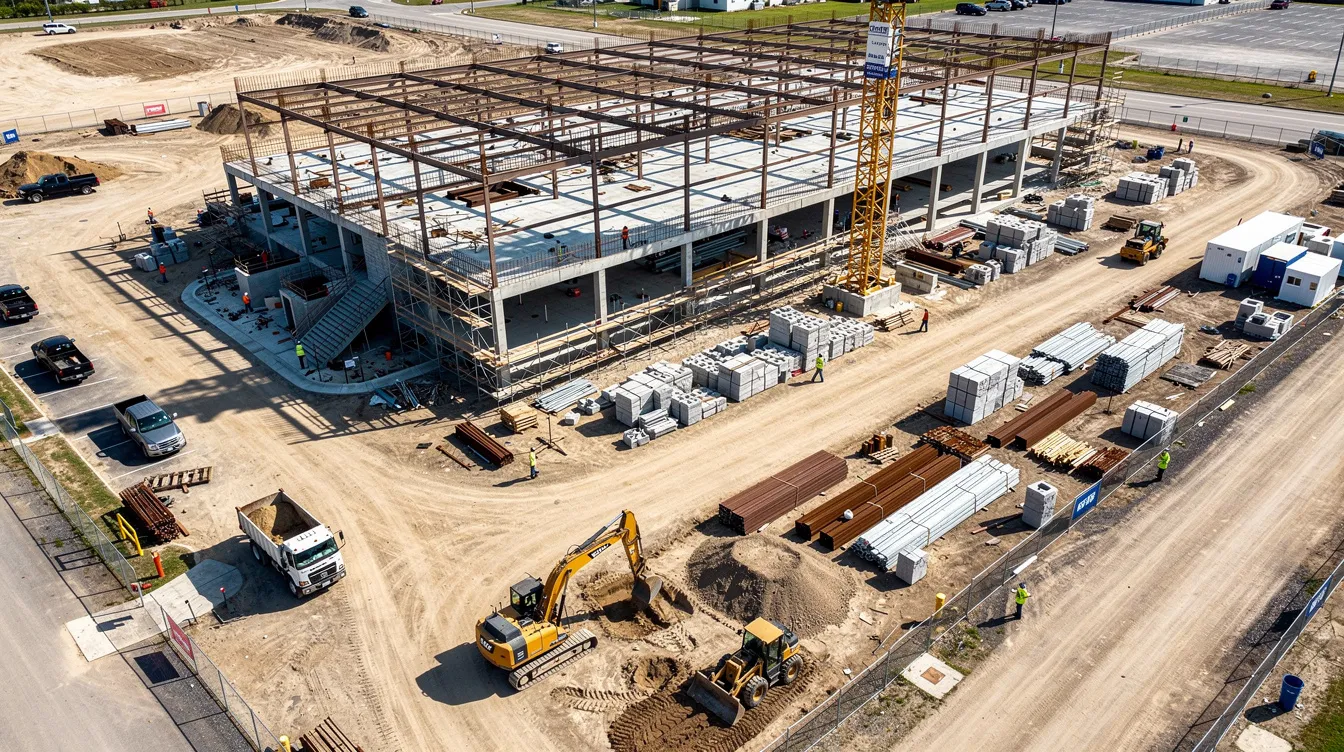
Bond claims are typically triggered as a last resort when a construction project in Tennessee is failing or has already failed. Claims against surety bonds are triggered by the principal's contract violations, and performance bond claims arise from contractor failures to complete projects as promised.
Common triggers include:
Abandonment of the job mid-project
Chronic delays past the project completion date or contract milestones
Significant construction defects or failure to meet building codes
Contractor insolvency or bankruptcy
Owner termination of the contractor for cause under the contract
Consider a Blount County commercial renovation that stalls at 60% completion after the contractor diverts crews to other jobs. Or a Knoxville apartment project where structural issues surface during framing, and the contractor refuses to remedy them. In both scenarios, claims are triggered by the principal's failure to fulfill obligations, and the owner may look to the performance bond for relief.
Bond claims can also arise out of broader business and commercial litigation, including disputes over change orders, cost overruns, or wrongful contractor termination. Construction bond claims ensure contractors fulfill project obligations, and when those obligations break down, the bond is the owner's backstop.
Properly documenting performance failures from the outset-daily reports, inspection records, photographs, written correspondence-greatly strengthens a later bond claim and is an area where a construction performance bond lawyer can help from day one.
Parties Involved in a Performance Bond Claim
Construction performance bond disputes are multi-party cases, often involving overlapping claims among the owner, general contractor, subcontractors, lenders, and the surety company. Understanding who stands where is essential.
Project Owner / Obligee: The owner's interests center on securing timely project completion, enforcing contract standards, and recovering financial loss if the contractor defaults. The obligee files a claim against the surety bond when the contractor fails to perform. Owners-whether private property owners, developers, or government entities-need to protect their financial interests throughout the process.
Contractor / Principal / Bond Principal: The contractor's interests include defending against allegations of default, preserving reputation, limiting reimbursement obligations to the surety, and maintaining bonding capacity for future construction projects. When the principal fails to perform, the financial consequences extend far beyond the current project.
Surety Company: The surety is not a passive payer. The surety investigates every claim, reviews contracts, change orders, schedules, and correspondence, and decides whether the claim is valid. The surety's role is part neutral investigator, part payer of valid claims, and eventual creditor of the contractor if it funds completion or settlement. Claims against surety bonds can be filed by affected parties, and the surety must respond.
The involved parties may also include design professionals (architects and engineers), property insurers, and sometimes lenders-all of which can complicate the claim process and litigation strategy. Legal strategy in performance bond cases depends on the role of each party.
Performance Bonds vs. Payment Bonds, Mechanics' Liens, and Other Construction Remedies
Tennessee law offers several remedies when construction goes wrong, and it matters which one applies to your situation.
Remedy | Protects | Applies To | Key Feature |
|---|---|---|---|
Performance Bond | Project owner/obligee | Public and private projects | Ensures project completion and quality |
Payment Bond | Subcontractors and suppliers | Primarily public projects | Secures payment for labor and materials |
Mechanics' Lien | Subcontractors and suppliers | Private projects only | Property-based lien remedy |
License and Permit Bonds | Public/regulatory entities | Licensed businesses | Ensures regulatory compliance |
Performance bonds focus on project completion and correction of defective work, for the benefit of the owner. The bond amount represents the maximum the surety will pay.
Payment bonds protect subcontractors and suppliers from nonpayment. Payment bond claims occur when contractors fail to pay subcontractors. On public projects in the U.S., payment bonds are governed by statutes like the federal Miller Act and state-level Little Miller Acts. Tennessee's Little Miller Act requires payment bonds on public contracts exceeding $100,000, with a minimum bond amount of 25% of the contract price. A payment bond claim follows a different process than a performance bond claim, and it can help secure payment for subcontractors and suppliers who were not paid for labor or materials.
Mechanics' and materialmen's liens are property-based remedies typically used on private projects when payment is disputed. They are not available on public projects, which is why payment bonds exist in the public works context.
License and permit bonds protect against regulatory non-compliance and are a separate category-covering businesses like an auto dealer or a contractor holding a state license. Permit bonds serve a different function than construction bonds, so the claim rules differ significantly. Each surety bond agreement must be read carefully to understand what it covers and what it does not.
Key Terms in Bond Agreements That Affect Your Rights
In Tennessee construction disputes, the specific language in the bond agreement often controls deadlines, procedures, and available remedies. No two surety bond agreements are identical, and a thorough understanding of the bond's terms is essential before taking any action.
Critical provisions to review include:
Notice requirements: Many bonds require written notice of default to the surety within a specific timeframe. Missing this window can destroy a valid claim.
Cure periods: The bond may require the owner to give the contractor a defined opportunity to cure before declaring default.
Default definitions: How the bond defines "Contractor Default" matters enormously. In the Travelers Casualty & Surety Co. v. City of South Pittsburg decision, the Tennessee Court of Appeals held that the bond required specific notice under Paragraph 3.1 and a formal declaration of default under Paragraph 3.2 at least 20 days after that notice. Performance bond disputes typically require strict compliance with notice deadlines and contractual obligations.
Time limits to file a claim or lawsuit: Bond forms often include their own limitation periods-sometimes as short as two years after contractor default-which can be shorter than Tennessee's general statute of limitations.
Dispute resolution clauses: Some bonds mandate arbitration rather than litigation.
Bond forms frequently incorporate the underlying project contract by reference, meaning the initial contract, change orders, and specifications all become part of the bond agreement. Inconsistencies between the contract and bond can become a major litigation issue. Contractual obligations, default triggers, and remedies should align with a client's risk tolerance before signing.
Before declaring default or responding to a default notice, owners and contractors should have an experienced construction performance bond lawyer at DZ Law review both the contract and the bond.
Step-by-Step Overview of the Performance Bond Claim Process
Bond claims have their own specific process layered on top of ordinary Tennessee litigation or arbitration rules. Here is a step by step guide to the typical bond claim process:
For the Owner / Obligee:
Identify performance failures. Evaluate the claim to understand the issue at hand-whether it is schedule delay, defective work, or abandonment.
Provide written notice of default under the construction contract, following the contract terms precisely.
Allow any contractually required opportunity to cure. If the bond or contract gives the contractor a window to fix problems, honor it.
Formally notify the surety in the manner required by the bond. Notify the surety company promptly about the claim. Supporting documentation must be organized when filing a claim-contracts, schedules, inspection reports, photos, and correspondence.
Provide evidence. Claimants must provide evidence to support their claims, and filing and supporting the claim must comply with applicable legal requirements, including the bond’s notice procedures and any governing Tennessee or federal rules. The surety company investigates the validity of the claim, reviewing everything from the project contract to daily logs.
Surety Response Options:
Deny the bond claim if it finds the claim lacks valid grounds
Fund the existing contractor's cure efforts
Tender a replacement contractor to ensure project completion
Arrange completion with owner approval
Negotiate a settlement or buyout
If the surety bond claim process stalls or the surety refuses coverage, the obligee may pursue legal action through litigation or arbitration, sometimes joined with related breach-of-contract, construction defect, or cost overrun claims. Seek legal counsel specializing in performance bond claims before that step.
For the Contractor / Principal:
Conduct an internal investigation to gather claim information.
Prepare a formal response addressing the specifics of the claim.
Negotiate to reach an agreement with the claimant where possible.
Throughout, proper documentation is the foundation of any well documented case.
How Owners Can Strengthen a Performance Bond Claim
If you are a Tennessee project owner, developer, or public entity watching a construction project start to go sideways, here is how to protect your investment and build a valid claim.
Document everything. Keep signed contracts, change orders, daily reports, schedules, emails, text messages, site photos, and inspection reports organized and accessible. These records often decide surety bond claims.
Follow notice and cure procedures exactly. Strictly comply with the construction contract and bond before declaring default. Good faith is essential in enforcing performance bonds. Employers must act in good faith when calling a bond-skipping steps or acting prematurely gives the contractor and surety a technical defense.
Engage experts early. A construction expert or consultant can document delays, defective work, or code violations in a timely manner. This evidence becomes critical in a later bond claim or arbitration. A knowledgeable performance bond lawyer can help protect contractual rights and manage claims throughout a project.
Get legal counsel before sending default letters. The default letter often shapes the rest of the dispute. Contact DZ Law at (865) 259-0020 or message us online early in the process to make sure your position is protected from the start.
How Contractors Should Respond When Faced with a Performance Bond Claim
If you are a general contractor or construction company in Sevier, Blount, Knox, Loudon, Jefferson, or Cocke County and you receive a notice of default or bond claim, the steps you take in the next few days can determine whether this becomes a manageable dispute or a financial crisis.
Notify your surety immediately. Provide the bond, construction contract, subcontracts, and all pertinent documents so the surety bond company can evaluate the situation quickly. The bond number, bond agreement, and all relevant documentation should be in the surety's hands without delay.
Conduct an internal investigation. Assemble a factual timeline of the project, including delays caused by weather, design changes, scope changes, or owner-directed changes. These factors may explain schedule or cost issues and provide valid grounds for defense.
Respond carefully in writing. Avoid emotional or accusatory responses. Prepare a formal response with clear, documented explanations and any proposed cure or completion plans showing the completed work and what remains.
Understand the financial stakes. Because the surety can seek reimbursement from the contractor for any payouts under the indemnity agreement, contractors facing potential claims must protect their long-term financial and bonding capacity. Misuse of performance bonds can lead to legal consequences for all parties, and contractors can challenge unjust bond claims in court. Involve experienced construction litigation counsel at DZ Law early.

Common Disputes and Defenses in Performance Bond Litigation
When settlement fails, bond disputes often move into full-blown litigation or arbitration alongside broader business and commercial litigation claims. Courts assess good faith in bond enforcement disputes, and the fact patterns tend to be detailed and contentious.
Frequent owner-side allegations:
Improper termination of work by the prime contractor
Failure to staff the project adequately
Underbidding and cutting corners on materials
Failure to follow plans and specifications
Repeated code violations discovered by Tennessee building officials
Frequent contractor-side defenses:
Owner-caused delays or late design decisions
Unpaid change orders or differing site conditions
Miscoordination by the owner's other contractors
Failure by the owner to follow bond and contract procedures as required
Surety defenses under the bond agreement:
Late or improper notice from the obligee
Failure to allow a contractually required cure period
Material changes to the contract without the surety's consent (a "cardinal change" defense)
Release or waiver by the obligee's conduct-for example, accepting partial performance without objection
These disputes can require technical expert testimony from scheduling experts, cost analysts, or engineers. DZ Law's construction litigation and arbitration practice is equipped to coordinate those experts and build a case grounded in both the law and the project facts.
Interaction with Arbitration, Litigation, and Appeals in Tennessee
Many Tennessee construction contracts and bond forms specify whether disputes go to court-often in Blount or Knox County-or to private arbitration. The forum matters, and it can shape the entire trajectory of a performance bond dispute.
Performance bond disputes can proceed in parallel forums: a contract case between owner and contractor in one proceeding, and a bond claim against the surety in another, or consolidated if the court allows. Arbitration clauses, including those incorporating American Arbitration Association (AAA) Construction Industry rules, can govern bond-related disputes if the contract and bond reference them.
After a trial or arbitration award, parties may seek appellate review in Tennessee courts or federal court litigation if jurisdiction exists. The interplay between state legislation, contractual limitations, and appellate standards creates layers of complexity. DZ Law's appeals and federal court litigation practice handles these post-trial challenges.
If you are facing a complex dispute involving overlapping bond claims, contract claims, and potential appeals, contact DZ Law at (865) 259-0020 to develop a coordinated strategy.
Business and Contract Drafting Tips to Prevent Future Bond Disputes
Prevention is cheaper than litigation. If you regularly enter into construction projects in East Tennessee-as an owner, developer, or contractor-spending time on the front end saves money and headaches on the back end.
Involve experienced counsel before signing. Have business transactions and contracts counsel review construction contracts and bond forms before execution. The bond requirements, default triggers, and surety guarantees should align with practical project realities, not just boilerplate language.
Clarify how problems will be handled. Define in advance how delays, change orders, and cost overruns impact the bond and the contractor's contractual obligations. This reduces ambiguity when disputes arise.
Use clear, written procedures. Notices of default, opportunities to cure, and triggering events for a bond claim should follow a specific process laid out in writing-not left to informal conversations.
Align the bond with the contract. The bond amount, the bonding process, the conditions for declaring default, and the remedy options should all mirror the project contract. Inconsistencies between the two documents are a frequent source of litigation.
DZ Law's construction contract and commercial contract practice can assist in negotiating and drafting these provisions so that risk is properly allocated among all parties involved.
How DZ Law, PLLC Helps with Performance Bond and Construction Bond Claims
DZ Law, PLLC is a Blount County-based firm focused on complex civil, construction, and business disputes across East Tennessee. A construction performance bond lawyer at DZ Law specializes in resolving disputes around surety bonds-from the initial claim through trial and appeal.
The firm's construction litigation and arbitration group handles performance bond claims, payment bond disputes, mechanics' lien issues, construction defect cases, and construction cost overrun litigation. Performance bond lawyers at DZ Law assist in drafting, reviewing, and enforcing performance bonds and contracts, and they help clients navigate through surety investigations and bond claims management. A performance bond lawyer at DZ Law assists clients in negotiations with sureties and other parties in disputes.
DZ Law represents owners, contractors, subcontractors, and other involved parties, tailoring strategies based on each client's position in the surety bond claim process. The firm's broader strengths in business and commercial litigation, appeals and federal court litigation, and business transactions and contracts allow it to handle related disputes, restructurings, and appeals arising from large construction projects.
Call (865) 259-0020 or contact DZ Law online to schedule a confidential consultation about a current or potential construction performance bond claim.
What to Do Right Now if Your Tennessee Construction Project Is Failing
If you are an owner, contractor, or surety currently in the middle of a troubled construction project in East Tennessee, here is what you need to do today-not next week.
Stop making informal, undocumented agreements. From this point forward, communicate key decisions and deadlines in writing. Texts, emails, and formal letters create the record that any future bond claim or defense will depend on.
Gather and organize everything. Pull together all contracts, change orders, schedules, invoices, correspondence, inspection reports, and site photographs. Have them ready for review by counsel. Relevant documentation wins cases; missing documentation loses them.
Do not unilaterally terminate the contract or call the bond without first reviewing the contract and bond language with legal experts. Premature or improper action-sending a legally binding contract termination letter without following the required steps-can weaken your position or extinguish your rights entirely.
Call DZ Law now. Promptly reach out at (865) 259-0020 or send us a secure message online to discuss next steps before the situation deteriorates further. Whether you need to file a claim, respond to one, or simply understand your options, early action protects your position.

Frequently Asked Questions About Tennessee Construction Performance Bond Claims
Who can file a claim on a construction performance bond in Tennessee?
Typically, only the obligee named in the bond-usually the project owner, developer, or public entity-can file a performance bond claim. The bond is designed to protect that party's interest in project completion and financial compensation for losses caused by the contractor's default. Subcontractors and suppliers usually rely on payment bond claims or mechanics' liens to recover unpaid amounts, not performance bonds.
In some complex projects, the "owner" may actually be a lending institution or special-purpose entity. Confirming exactly who the obligee is under the surety bond agreement is an important first step. As the Tennessee Court of Appeals confirmed in Moore Construction v. Clarksville Department of Electricity, only the obligee named in the bond generally has standing to pursue a performance bond claim.
How long do I have to file a performance bond lawsuit in Tennessee?
The deadline is often set by the bond itself. Many performance bonds require suit to be filed within a certain number of years after substantial completion or contractor default-the Travelers v. City of South Pittsburg case enforced a two-year contractual limitation. Tennessee's general statutes of limitation for contract claims can also apply, but bond language frequently shortens that window.
For public projects, state legislation such as T.C.A. § 12-4-206 imposes a six-month deadline for payment bond suits after project completion or furnishing of labor and materials. Because these time limits vary and can be complicated, have DZ Law review your bond and contract as soon as problems appear. Do not wait.
Can a surety deny my performance bond claim?
Yes. A surety company can and often does deny claims it believes are outside the bond's scope, untimely, or not supported by sufficient evidence of contractor default. Typical denial reasons include:
Late or improper notice under the bond
Failure to allow contractually required cure periods
Material modification of the contract without the surety's consent
Disputes that are really about unpaid change orders rather than true default
Lack of proper documentation or evidence supporting the claim
Even after a denial, an owner may still pursue litigation or arbitration to challenge the surety's decision. DZ Law can evaluate whether you have a strong case to press forward.
What happens to the contractor if the surety pays on a performance bond?
When a surety pays to complete or repair the project-or pays financial compensation through a settlement-the contractor typically must reimburse the surety under the indemnity agreements signed when the bond was issued. Surety bonds are not traditional insurance; they require reimbursement. This obligation can create serious financial stress for the construction company, affect its ability to obtain future construction bonds (impacting its performance bonds cost and bonding capacity), and sometimes lead to broader business litigation or restructuring.
Contractors facing potential reimbursement claims should involve experienced counsel early to negotiate with the surety and explore defenses or settlement options. The principal's failure to manage this process can compound the financial loss significantly.
Do I need a lawyer to deal with a performance bond claim, or can I handle it myself?
While it is technically possible to communicate directly with the surety, performance bond claims involve complex contract interpretation, strict procedures, and high financial stakes. Missteps-such as sending an overly aggressive default letter, missing a deadline, or providing incomplete documentation-can permanently damage the claim or defense. Selecting a construction performance bond lawyer should involve checking their specialized knowledge and litigation experience with surety bond claims specifically. Hiring a specialized lawyer can help prevent costly disputes in the performance bond process.
Whether you are an owner considering a bond claim, a contractor defending against one, or a business navigating related disputes with extensive knowledge of the construction industry, consulting DZ Law at (865) 259-0020 or via our secure online form is a prudent first step. The stakes are too high to guess.