Construction Warranty Dispute Lawyer: Enforcing and Defending Warranty Obligations on Tennessee Projects
Key Takeaways
Construction warranty disputes in Tennessee often turn on contract language, notice requirements, and strict deadlines. Both owners and contractors need early legal guidance to protect their rights and avoid forfeiting viable claims or defenses.
DZ Law, PLLC represents owners, contractors, and subcontractors in warranty claims, construction defects, and breach of contract disputes across Blount, Knox, Sevier, Loudon, Jefferson, and Cocke Counties.
Tennessee law recognizes both express and implied warranties in many construction contracts. Poorly documented claims or late notice can severely limit recovery-or expose a contractor to unnecessary liability.
Construction warranty dispute lawyers specialize in conflicts regarding construction defects and contract terms, and getting the right counsel early is the single most important step you can take.
If you are facing a warranty dispute right now, call DZ Law at (865) 259-0020 or send a message online for a consultation.
Introduction: Why Construction Warranty Disputes Matter in Tennessee
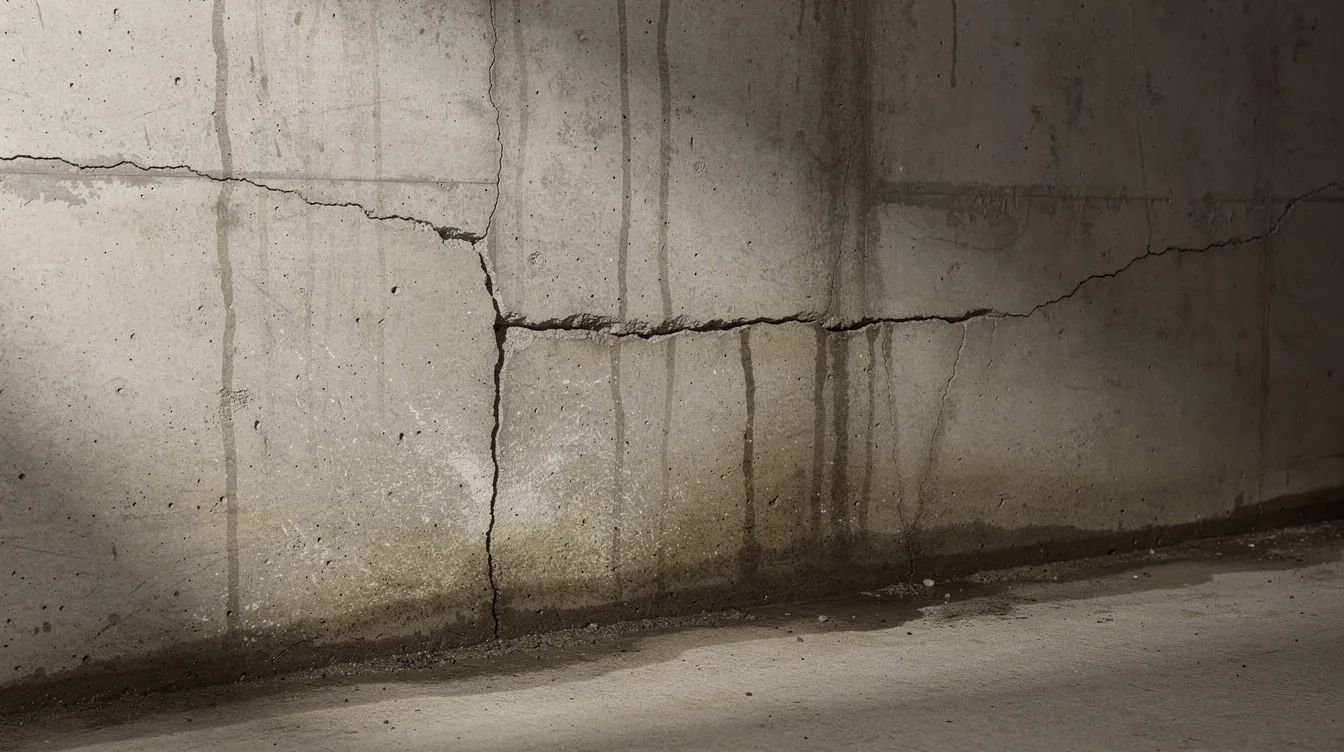
Picture this: a homeowner in Knox County closes on a new home in early 2024. Within eight months, they notice water staining on interior walls, cracking along the foundation, and a persistent musty smell in the crawl space. They contact the builder, expecting a straightforward warranty repair. The contractor's response? The cracks are "cosmetic," the moisture is from "normal settling," and the one-year warranty doesn't cover it. Within weeks, what should have been a routine fix becomes a full-blown dispute with lawyers, experts, and tens of thousands of dollars on the line.
This scenario plays out across East Tennessee more often than most people realize. A construction warranty dispute is, at its core, a disagreement over whether defects, failures, or performance issues are covered under construction warranties-and what the contractor or builder must do to fix them. These disputes can involve structural defects and failures to honor warranties, touching everything from leaking roofs to failed HVAC systems.
DZ Law, PLLC focuses on construction litigation and arbitration in Maryville, Knoxville, and surrounding counties, helping both property owners and construction professionals enforce and defend warranty obligations. Warranty disputes frequently overlap with breach of contract, construction defects, delay claims, and payment disputes, making experienced legal counsel essential from the start.
If you are dealing with cracked foundations, HVAC failures, leaks, or denied repairs, call (865) 259-0020 right away to preserve your rights and evidence.
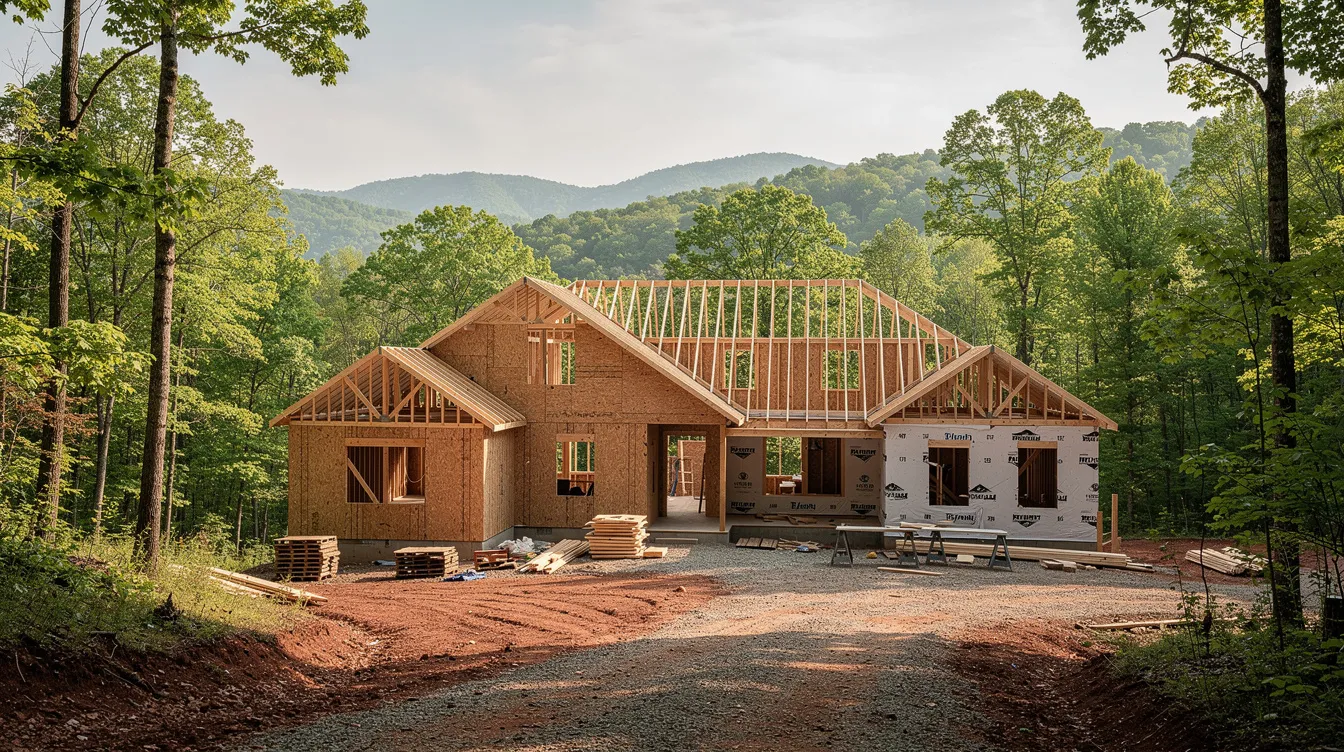
Overview of Construction Warranties on Tennessee Projects
Construction warranties on Tennessee projects come from multiple sources. Understanding where your warranty obligations originate is the first step in evaluating any claim or defense.
Warranties typically arise from:
The written construction contract (express warranty provisions)
Product and manufacturer warranties on materials and equipment
Implied warranties recognized under Tennessee law
The most common types of construction warranties on residential and commercial projects include:
Workmanship warranties covering the quality and competent manner in which work is performed
Materials and equipment warranties covering defective materials, plumbing, HVAC components, and similar building systems
Structural warranties for foundations, framing, and load-bearing elements, which may extend for several years
Warranties can last from one year to several years depending on the work and the terms of the agreement. Some are limited to one year from substantial completion, while structural warranties may extend longer depending on the contract and governing law. Typical AIA or custom Tennessee construction contracts include "correction of work" periods after substantial completion and longer-term promises about freedom from construction defects.
Construction warranties include express and implied types, and the written construction contract is always the starting point. Before speaking with counsel, gather your contracts, change orders, and any warranty documents so your lawyer can evaluate the full picture.
Express Warranties in Construction Contracts
Express warranties are the written promises about quality, performance, and durability that appear in the construction contract, proposal, or specifications. Express warranties are explicitly stated in the contract, meaning they are negotiated, drafted, and agreed upon by the parties before work begins.
Examples of express warranties common in Tennessee construction contracts include:
A promise that roofing will remain watertight for two years
A guarantee that concrete will meet specified PSI strength
A statement that all work will comply with applicable building codes
A commitment that the home shall be "free from defects in materials and workmanship" for a stated warranty period
Express warranties tie closely to breach of contract claims. When the promised result-say, "roof shall be free from leaks through 2027"-is not delivered, the owner may have both warranty and contract claim remedies. In Bunch v. Sellers, the Tennessee Court of Appeals held that where a contract included an express, one-year detailed warranty covering materials and workmanship, the express warranty terms controlled and displaced broader implied warranty arguments.
Drafting issues often drive disputes. Conflicting warranty language between a subcontract and the prime contract, or vague statements like "first-class workmanship," must be interpreted under Tennessee construction law. Similarly, in Axline v. Kutner, 863 S.W.2d 421 (1993), the court held that where express warranty exists, those express terms limit claims, and attempts to go beyond them may be dismissed.
Property owners and businesses should engage DZ Law on the front end to negotiate and clarify express warranty language in construction contracts, reducing the risk of future litigation.
Implied Warranties and "Workmanlike" Construction
Even when a construction contract is silent or limited on warranties, Tennessee law may impose implied warranties-especially in residential construction. Implied warranties exist automatically by law, ensuring work quality meets a reasonable standard.
The implied warranty of good workmanship and habitability means that a contractor is expected to build a home or improvement in a reasonably workmanlike manner that is safe and suitable for ordinary use. In Dixon v. Mountain City Construction Co., 632 S.W.2d 538 (Tenn. 1982), the Tennessee Supreme Court held that even if a contract does not address workmanship or materials, there is an implied warranty of good workmanship and suitable materials, and that this warranty survives the passing of title or possession.
Contractors sometimes attempt to disclaim implied warranties in construction contracts. Tennessee courts scrutinize such disclaimers and require them to be clear, conspicuous, and unambiguous to be enforceable-especially in consumer and residential settings where there is a large imbalance in bargaining power between the homeowner and builder.
Implied warranties are enforceable even if not written. Typical fact patterns where they become central include:
Hidden construction defects discovered years after closing, such as foundation movement
Window leaks or improperly installed siding that allows moisture intrusion
Latent defects in plumbing or electrical systems not visible at final walk-through
In Meredith Garrett v. Hidden Valley Homes, LLC (2023), the court awarded approximately $77,494 in damages for breach of implied warranty, confirming that the measure of damages is the cost of repair. DZ Law evaluates both written and implied warranties when advising clients on whether they have viable warranty claims or defenses, and legal guidance can help identify all potential theories of recovery.
Common Construction Defects That Trigger Warranty Claims
Not every complaint is a "construction defect." Successful warranty claims must usually tie specific defects to specific obligations in the contract or warranties. Construction warranty disputes often require detailed knowledge of building codes and industry standards, and construction warranty claims hinge on technical facts, requiring expert testimony to establish causation and the cost of repair.
Common construction defects that lead to warranty disputes in East Tennessee include:
Roof leaks after heavy Knox County storms
Inadequate drainage or grading causing basement water intrusion
Improperly flashed windows
Sagging floors or cracked foundations
HVAC systems that fail to maintain temperature
Code violations uncovered during resale inspections
Defective materials used in siding, windows, or plumbing
It is important to differentiate between:
Defect Type | Example | Who May Be Responsible |
|---|---|---|
Workmanship defect | Improperly installed shingles | General contractor or subcontractor |
Design defect | Undersized beams specified by the architect | Design professional |
Material defect | Defective siding or windows from manufacturer | Supplier or manufacturer |
Correctly classifying the type of construction defect is crucial to determining who is responsible under the construction contract and which warranty applies. In Raleigh Court Condominiums HOA v. E. Doyle Johnson Construction (2013), the court reaffirmed that builders have a common-law duty to build in a workmanlike manner, and express contract provisions about "good building practices" and warranty against defective work can be enforceable even for communal improvements.
Clients should document specific defects with dated photographs, videos, inspection reports, and communications with the contractor before altering the condition of the property. Preserving strong evidence is essential for litigation or arbitration. A construction warranty dispute lawyer helps document defects and gather evidence in legal claims.
Filing and Preserving a Construction Warranty Claim in Tennessee
Many otherwise solid warranty claims fail because owners do not follow contractually required notice procedures or wait too long to act. Many jurisdictions-including Tennessee-require formal notice of a defect before legal claims can be filed.
Here are the practical steps an owner should take when they discover a potential construction defect during the warranty period:
Review the construction contract. Confirm the warranty duration and scope of covered work.
Check notice requirements. Determine whether the contract requires written notice, certified mail, or a specific delivery method.
Prepare written notice. A warranty claim typically requires written notification to the contractor. Describe the defect, when it was discovered, attach photos or inspection reports, and make a specific request for repair or replacement.
Send notice promptly. Homeowners must notify contractors within six months of defects in many situations, and Tennessee Code § 66-36-103 requires claimants to provide written notice after discovery of the defect, describing its nature and location with reasonable detail.
Preserve evidence. Do not modify or allow others to significantly alter the defective work before the contractor can inspect.
Failure to give timely written notice, or allowing others to alter defective work before the contractor inspects, can undermine or even bar a warranty claim in later litigation or arbitration. The notice process also triggers the contractor's right to inspect and propose repairs-skipping this step is one of the most common and costly mistakes owners make.
If you are unsure about how to prepare and send proper notice, contact DZ Law at (865) 259-0020 or through the firm's online contact form before deadlines expire.
Defending Against Warranty Claims as a Contractor or Subcontractor
DZ Law also represents general contractors, subcontractors, and construction professionals in East Tennessee who receive warranty claims they believe are overstated, untimely, or outside the scope of their obligations. Contractors must address warranty claims or face legal action, but that does not mean every claim is valid.
Common defenses to construction warranty claims include:
Expiration of the warranty period
Lack of written notice from the owner
Owner's failure to allow inspection or repair
Misuse, neglect, or lack of maintenance by the owner (normal wear and tear, not a covered defect)
Defects caused by design professionals, other trades, or subsequent modifications
Work performed in accordance with approved plans and specifications
Contractors facing claims should carefully review project records, daily reports, change orders, and communications to show that work performed met the construction contract requirements. If alleged defects stem from subsequent modifications or a contractor fails to maintain the property properly, these facts can undercut the claim.
Strategies for reducing exposure include:
Tendering claims to applicable insurers
Pursuing contractual indemnity against responsible subcontractors
Engaging experts to evaluate whether alleged defects truly deviate from industry standards
Construction professionals facing a warranty dispute should seek early legal guidance from DZ Law to avoid admissions, missed deadlines, or poorly documented repair attempts that can later be used against them.
Warranty Disputes, Breach of Contract, and Other Related Claims
Warranty disputes rarely exist in isolation. They are usually part of a broader breach of contract or construction defect case involving multiple parties and claims. A breach of contract involves failing to meet specific obligations outlined in the agreement, while a breach of warranty focuses on the quality of the work delivered.
An alleged warranty breach can also support claims for:
Breach of contract (failure to deliver work as promised)
Negligence (substandard professional conduct)
Misrepresentation (failing to disclose known defects at closing)
Consider a realistic Tennessee example: a commercial build-out in Knoxville where HVAC failures lead to business interruption. The owner files warranty claims against the general contractor, who in turn points to the mechanical subcontractor. The dispute escalates into a lawsuit for lost profits, repair costs, and consequential damages-all arising from what started as a warranty issue on a single building system.
On the defense side, contractors may counterclaim for unpaid contract balances, extra work, or change orders when property owners withhold payment based on alleged defects or warranty issues.
DZ Law handles these interconnected issues-warranty claims, breach of contract, business and commercial litigation, and appeals-in a cohesive litigation strategy in both Tennessee state and federal courts.
Deadlines: Limitations, Repose, and Contractual Time Limits
Owners and contractors in Tennessee cannot assume they have unlimited time to bring or defend warranty claims. Multiple overlapping deadlines may apply, and missing even one can be fatal to a case.
Here is how Tennessee deadlines generally operate:
Statute of repose: Tennessee Code § 28-3-202 imposes a four-year period after substantial completion of an improvement to real property for filing actions related to design, construction, or material defects.
Late discovery extension: If the injury occurs during the fourth year after substantial completion, § 28-3-203 allows one additional year from the date the injury is discovered to file suit.
Contractual time limits: Construction contracts often shorten the time to bring warranty claims or require disputes to be raised within a certain period after substantial completion, final payment, or discovery of the defect.
The statute of limitations for warranty claims is typically five years for certain contract claim types, though this can vary depending on the specific legal theory and jurisdiction. Construction statutes vary widely by state and municipality-for example, the statute of limitations for warranty claims in Missouri is five years, but Tennessee's repose and limitation periods operate differently and require careful analysis.
Pre-suit notice statutes, including Tennessee's construction defect notice requirements under Title 66, Chapter 36, may pause or toll some deadlines while the parties attempt voluntary resolution or repairs. However, these tolling provisions have limits.
Do not wait until the last months of a warranty period or repose period to seek advice. Lawyers should have familiarity with local statutes of limitations and notice requirements to properly evaluate your case. Call (865) 259-0020 promptly to review your contract deadlines with an attorney at DZ Law.
Negotiating and Resolving Warranty Disputes Without Litigation
Many construction warranty disputes can be resolved through negotiation, documented repair agreements, or mediation, avoiding the cost and disruption of a full lawsuit or arbitration hearing. Successful settlements in warranty disputes often occur through negotiation, mediation, or arbitration rather than trial.
Best practices for owners and contractors trying to resolve warranty issues include:
Scheduling joint inspections with the contractor and, if needed, independent experts
Agreeing in writing on the scope of repairs, timelines, and whether repairs are being performed as a warranty obligation or as a compromise
Keeping detailed records of every communication and agreement
Mediation plays an important role in construction warranty disputes in Tennessee. Many contracts require mediation before trial or arbitration, and courts may also order early neutral evaluation to help the parties reach resolution before full litigation expenses arise.
Carefully drafted settlement agreements should address:
Release scope and whether future claims are preserved
Future warranty obligations on repaired or replaced work
Payment of expert or repair costs
How future newly discovered defects (if any) will be handled
DZ Law draws on its construction litigation and business transactions experience to structure practical resolutions that protect clients' long-term interests while minimizing business disruption.
Arbitration and Litigation of Construction Warranty Claims
Many Tennessee construction contracts include mandatory arbitration clauses and mediation requirements, meaning warranty disputes must be resolved before an arbitrator rather than a judge or jury.
Arbitration of warranty disputes typically proceeds as follows:
Filing a demand for arbitration
Selecting arbitrators (often through AAA or another administering body)
Exchanging documents and expert reports
Conducting hearings with witness testimony
Obtaining an award that can be confirmed in Tennessee courts
Factor | Arbitration | Litigation |
|---|---|---|
Cost | Often lower overall | Can be higher due to discovery |
Speed | Generally faster | Court schedules can cause delay |
Discovery | Limited | Broader |
Confidentiality | Usually private | Public record |
Appeal rights | Very limited | Available |
DZ Law handles construction warranty cases through negotiation, mediation, arbitration, and trial, and is prepared to pursue or defend appeals in complex or high-stakes disputes. Clients should have an attorney review any arbitration or dispute-resolution clauses in their construction contracts before signing, so they understand how future warranty disputes will be handled.

How DZ Law, PLLC Handles Construction Warranty Disputes
DZ Law is a Maryville-based firm whose six key practice groups include construction litigation and arbitration, business and commercial litigation, medical malpractice, premises liability, appeals and federal court litigation, and business transactions and contracts.
In a construction warranty dispute case, the firm typically takes these steps:
Initial contract and document review - examining warranty terms, change orders, and project correspondence
Site visits and defect documentation - coordinating inspections and photographic evidence
Expert coordination - engaging engineers, building consultants, or cost estimators to establish causation and damages
Insurance and coverage analysis - identifying applicable policies and tendering claims where appropriate
Targeted strategy development - building a negotiation, mediation, arbitration, or litigation plan based on the facts and the client's legal options
The firm represents a broad range of clients-homeowners, commercial property owners, general contractors, subcontractors, suppliers, and developers-throughout Blount, Knox, Sevier, Loudon, Jefferson, and Cocke Counties. DZ Law's approach is document-driven, deadline-conscious, and grounded in familiarity with Tennessee construction statutes and local court practices. Lawyers can help evaluate the financial feasibility of a construction dispute case before significant resources are committed.
If you are facing a current construction warranty dispute, contact DZ Law at (865) 259-0020 or reach out through the secure online form for a case assessment.
Practical Tips for Owners and Contractors to Avoid Future Warranty Disputes
Careful planning and clear construction contracts can significantly reduce the risk of future warranty battles and costly litigation.
For owners:
Insist on detailed written scopes of work with clear warranty durations and coverage
Include realistic maintenance obligations so disputes over normal wear versus defective work are minimized
Define well-documented procedures for notice and repair of construction defects
Confirm that warranty terms cover what matters most to you-foundation, roofing, plumbing, and major systems
For contractors and subcontractors:
Use consistent contract forms with clear warranty terms
Ensure that subcontract warranties "flow through" to match prime contract obligations, avoiding gaps that create similar warranties with different scopes
Document any owner-requested deviations from plans or specifications
Respond promptly to warranty claims in writing-silence can be interpreted as a concession
For both sides:
Keep organized project files (emails, change orders, photos, inspection reports, payment records) so that future claims or defenses can be supported with contemporaneous evidence
Review contracts before signing, not after a dispute arise
Businesses, developers, and repeat owners should work with DZ Law on contract drafting and risk management, leveraging the firm's business transactions and contracts experience to align warranties with practical project realities.
When to Contact a Tennessee Construction Warranty Dispute Lawyer
Many owners and contractors wait too long to get legal help, often after relations have deteriorated and key deadlines are approaching or have already passed.
Clear trigger points for contacting legal counsel include:
Discovery of serious or repeated construction defects during or after the warranty period
Receipt of a formal warranty claim or lawyer's letter
Denial of a warranty repair request by your contractor
Disputes over whether a problem is normal wear and tear versus a covered defect
Looming warranty or repose deadlines
A new home purchase where defects appear shortly after closing and the builder is unresponsive
Early legal guidance can help shape communications, preserve evidence, and determine whether to pursue informal repairs, mediation, arbitration, or immediate litigation. Clients in Blount County, Knoxville, and across East Tennessee can schedule consultations with DZ Law to review their contracts, warranties, and potential claims or defenses.
Call (865) 259-0020 or send a secure message through DZ Law's online contact form to discuss the specifics of your Tennessee construction warranty dispute.
Frequently Asked Questions About Tennessee Construction Warranty Disputes
How long do I have to bring a construction warranty claim in Tennessee?
The answer depends on several factors: the warranty period stated in the construction contract, Tennessee statutes of limitation and repose for construction defects, and any contractual provisions that shorten or lengthen these timeframes. Some workmanship warranties may last only one year from substantial completion, while serious structural issues may be actionable for a longer period, subject to Tennessee's four-year statute of repose and other statutory rules. The statute of limitations for warranty claims is typically five years for general contract-based claims, but the repose period can cut that short for real property improvements. Because these rules are technical and fact-specific, owners and contractors should not assume they are "too late" or "have plenty of time" without legal review-consult DZ Law promptly to evaluate deadlines.
What should I do first if my contractor refuses to honor a construction warranty?
Start by gathering and organizing your construction contract, change orders, emails, photos, inspection reports, and any written warranty documents. Then send a clear, written notice of the defect and requested repairs in the manner required by the contract-for example, certified mail or a specified email address. Avoid inflammatory language that may complicate resolution. Contact a construction warranty dispute lawyer at DZ Law to review the contract language, advise on next steps, and help avoid missteps that could undermine a later lawsuit, arbitration, or settlement. Free consultations allow you to understand your legal options before committing to a course of action.
Can a contractor in Tennessee completely disclaim implied warranties?
Commercial construction contracts sometimes attempt to disclaim implied warranties, but Tennessee courts evaluate whether those disclaimers are clear, conspicuous, and enforceable under applicable law. As the Tennessee Supreme Court noted in Dixon v. Mountain City Construction Co., the parties are free to contract and disclaim warranties, but disclaimers must be unambiguous and brought to the buyer's attention. In residential and consumer contexts, courts may scrutinize broad disclaimers more closely, especially when there is a large imbalance in bargaining power between the homeowner and builder. Both owners and contractors should have DZ Law review proposed contract language before signing to understand how implied warranties and disclaimers will affect future rights and obligations. Public policy considerations also limit how far a disclaimer can go in protecting a builder from accountability for defective work.
What kinds of damages are available in a construction warranty dispute?
Recoverable damages often include the reasonable cost to repair or replace defective work, or in some cases the difference in value between the structure as built and as warranted. Related costs like temporary relocation or replacement housing may also be covered. Depending on the contract and facts, parties may seek consequential damages such as lost rental income or business interruption, although some construction contracts attempt to limit or exclude these categories. Attorney's fees may be recoverable if the construction contract or a specific Tennessee statute provides for fee-shifting. DZ Law evaluates all possible damage categories-including personal property damage-when assessing a claim based on warranty obligations or contract breach.
Do I really need a lawyer if we are just "talking about repairs" with the builder?
While many straightforward punch-list items can be resolved informally, more serious or recurring issues-like structural movement, chronic leaks, or major system failures-often benefit from early legal input. A complete process of documenting defects and framing discussions correctly protects your position if informal resolution fails. Signing a broad release or accepting partial repairs without clear documentation can unintentionally waive additional warranty rights or limit future recovery. Contact DZ Law for a consultation before signing any settlement agreements or releases, so you fully understand the long-term impact of proposed repair or warranty resolutions.