Top Federal Business Litigation Lawyer: Your Advocate in Complex Cases
When a commercial dispute crosses state lines or triggers a federal statute, it can leave your business facing litigation in a courtroom with unfamiliar rules, rigid deadlines, and judges who expect precision. For Tennessee business owners, understanding what happens when a case moves from state court to federal court is not optional-it is essential to protecting your company's future.
Key Takeaways
If your Tennessee business is involved in-or headed toward-a dispute in federal court, especially in the Eastern District of Tennessee (Knoxville Division), these are the points that matter most.
Federal business litigation involves complex commercial disputes in federal district court, including contract disputes, shareholder conflicts, construction claims, and insurance controversies that either raise questions under federal law or meet diversity jurisdiction requirements.
DZ Law, PLLC, based in Blount County, Tennessee, represents business clients in federal court across Blount, Knox, Sevier, Loudon, Jefferson, and Cocke Counties. The firm's core practices-appeals & federal court litigation and business & commercial litigation-are built for these cases.
Federal courts have different rules of civil procedure than state courts, including stricter pleading standards, earlier disclosure obligations, and firm scheduling orders. Businesses need counsel comfortable with federal procedure, the discovery process, and complex litigation strategy.
Federal courts handle high-stakes cases with significant financial implications. Complex commercial litigation often involves multi-million dollar claims, and mistakes early in the process can be difficult-or impossible-to fix later.
If you are facing a federal business dispute, call DZ Law at (865) 259-0020 or send a confidential message online for a consultation about your pending or potential federal case.
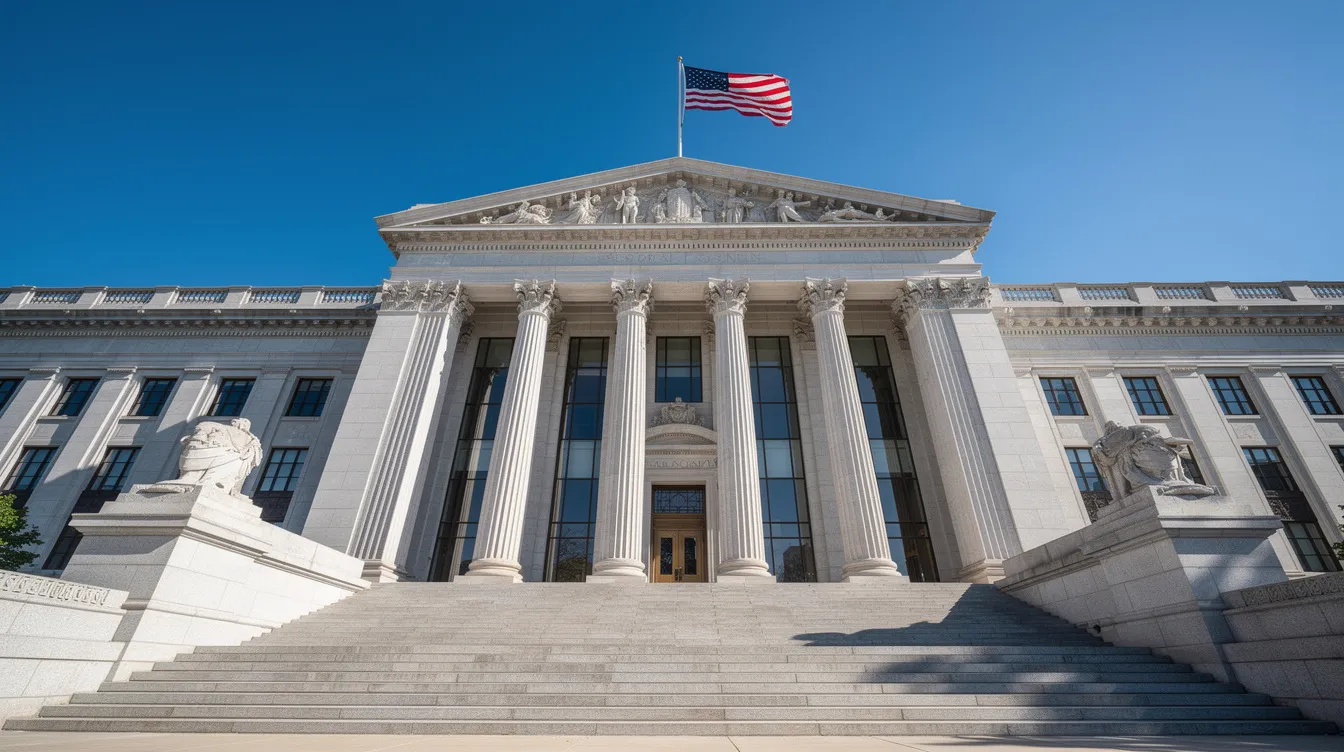
When a Tennessee Business Dispute Belongs in Federal Court (and Why It Matters)
Picture this: a Blount County construction company enters into a $1.5 million supply contract with a manufacturer headquartered in another state. The manufacturer fails to deliver materials on schedule, and the project stalls. The construction company files suit in Blount County Circuit Court-only to receive a notice of removal days later, transferring the entire case to the U.S. District Court for the Eastern District of Tennessee.
Federal business litigation refers to business and commercial litigation handled in U.S. district courts rather than Tennessee state courts. It covers a broad range of commercial disputes: contract disputes, shareholder disputes, construction-related claims, and insurance or premises-related controversies that cross state lines or involve federal statutes. Many disputes handled by federal business litigation lawyers involve breach of contract or partnership issues, though the range extends well beyond those categories.
There are two primary paths into the federal court system. Federal question jurisdiction applies when a claim arises under federal law-certain intellectual property matters, employment discrimination statutes, or regulatory compliance issues, for example. Diversity jurisdiction applies when the parties are citizens of different states and the amount in controversy exceeds $75,000, exclusive of interest and costs. Either path can pull a routine-looking Tennessee business dispute into federal court.
Once a business dispute lands in federal court, the stakes shift. Scheduling orders are firm. Motion practice is more formal. Federal judges expect precise briefing and strict compliance with local rules. For businesses accustomed to the rhythms of county chancery or circuit court, the adjustment can be jarring.
If a complaint has been filed, served, or removed to the Eastern District of Tennessee, do not wait. Call DZ Law at (865) 259-0020 or contact us online before critical federal deadlines expire.
Federal vs. State Court: What Changes When Your Business Case "Goes Federal"
Many Tennessee business owners have experience with county-level courts-circuit courts, chancery courts, even general sessions courts. Federal court is a different environment, and the differences are more than cosmetic.
Here is what changes:
Pleading standards are stricter. Federal business litigation lawyers must adhere to the Federal Rules of Civil Procedure, which require factual specificity under the Twombly/Iqbal "plausibility" standard. Vague or conclusory allegations that might survive in some state courts can be dismissed quickly in federal court.
Disclosures and scheduling happen earlier. Under Rule 26, parties in federal court must exchange initial disclosures early and participate in a discovery planning conference. The court issues a scheduling order that sets firm deadlines for discovery, expert disclosures, dispositive motions, and trial. In the Eastern District's Standard Track, discovery cutoff is approximately 300 days after service on the first defendant, and trial typically falls within two years of filing.
Judges operate differently. Federal judges are appointed for life. They generally carry smaller dockets than many state court judges, and they expect clear, well-supported legal arguments. Magistrate judges handle discovery disputes and status conferences. Filing and responding to lawsuits in federal courts involves drafting legal briefs and motions that meet exacting standards.
Motion practice is more robust. Federal cases frequently involve motions to dismiss, motions for summary judgment, and Daubert motions challenging expert testimony. Federal litigation frequently involves complex discovery and dispositive motions that can shape or resolve a case before trial.
DZ Law's appeals & federal court litigation practice is built around mastering federal procedure, local rules, and judge-specific requirements in the Eastern District-so business clients are never caught off guard by unfamiliar expectations.

Common Types of Federal Business and Commercial Litigation We See in East Tennessee
DZ Law's federal practice draws from the firm's core strengths: business & commercial litigation, construction litigation & arbitration, premises liability, medical malpractice, and business transactions & contracts. When disputes in these areas involve parties from multiple states or implicate federal law, they can land in federal court.
Common categories include:
Business contract disputes. Multi-state service agreements, commercial contracts with out-of-state landlords or suppliers, and major vendor relationships frequently generate diversity jurisdiction cases. Monetary damages are the most common remedy sought, though specific performance can be a potential outcome in litigation, and contract rescission is a possible remedy in business litigation depending on the facts.
Construction-related commercial litigation. A Sevier County tourism development project involving a Tennessee contractor and an out-of-state developer, or controversies over federal projects near the Great Smoky Mountains, can end up in federal court. These cases can involve both state-law claims and questions arising under federal regulations.
Shareholder disputes and closely held company conflicts. When LLC members or investors in a Blount County or Knox County business live in different states and the amount in controversy is significant, federal diversity jurisdiction may apply. Corporate directors and officers may face allegations of fiduciary duty breaches or mismanagement.
Insurance, premises, and business tort claims. Disputes with insurers over coverage for property damage or premises liability suits, tortious interference claims, and complex litigation involving contracting parties across state lines regularly appear on the Eastern District's docket.
Federal litigation also includes cases like medical malpractice and employment discrimination when those claims arise under federal statutes or involve parties from different states.
Complex commercial litigation in these categories has resulted in enormous awards nationally. Plaintiffs sought hundreds of millions in damages in a class action in one notable case. A federal court awarded $28.9 million for patent infringement in another. The financial stakes in federal cases are real, and the consequences of missteps compound quickly.
How Business Disputes Reach Federal Court: Jurisdiction, Removal, and Remand
Many Tennessee business disputes start in state court but are quickly "removed" by the defendant to federal court, surprising the plaintiff. Understanding how this happens-and how to respond-is essential.
Subject matter jurisdiction is the federal court's power to hear your type of case. For business litigation, the two primary bases are diversity jurisdiction (parties from different states, amount in controversy over $75,000) and federal question jurisdiction (claims under a federal statute or the United States Constitution). Federal litigation often involves complex issues like jurisdiction and sovereign immunity, and litigation against the federal government requires unique strategies and considerations as well, particularly when administrative agencies are involved.
Removal works like this: if a case filed in Sevier, Blount, Knox, Loudon, Jefferson, or Cocke County state court satisfies federal jurisdictional requirements, the defendant can file a notice of removal transferring the case to the Eastern District of Tennessee. The deadline is tight-typically 30 days after service of the document that establishes removability. Missing the window means forfeiting the right.
Remand is the plaintiff's tool to send the case back. If the jurisdictional requirements are not properly met-say, diversity was not established or the federal question was insufficiently alleged-the plaintiff can move to remand. In a 2025 Eastern District case, a contract dispute was remanded after the court found subject matter jurisdiction was lacking.
If you have received a notice of removal or a federal complaint, call (865) 259-0020 or message DZ Law online immediately. The window to evaluate removal or remand strategy is narrow, and delay can forfeit critical rights.
The Discovery Process in Federal Business Litigation
Discovery in federal court can be broader, more technical, and more expensive than many business owners expect. Federal business litigation can require significant support and resources for document management, especially when electronic documents, emails, and financial records span years and multiple locations.
The main federal discovery tools include:
Rule 26 initial disclosures - parties must identify witnesses, documents, and damage calculations early
Interrogatories - written questions answered under oath
Requests for production - demands for documents, contracts, emails, and electronically stored information (ESI)
Requests for admission - asking the opposing party to admit or deny specific facts
Depositions - sworn testimony of witnesses taken before trial
Discovery disputes can significantly increase litigation time and costs. Common fights arise over scope and burden, confidential business information or trade secrets, and sanctions for spoliation-destroying or failing to preserve evidence. These disputes are a regular feature of commercial litigation, and discovery disputes can significantly increase litigation costs and time if not managed carefully.
DZ Law uses discovery strategically to advance core themes, limit distractions, and manage costs for business clients rather than letting discovery run the case. Careful discovery planning early on can also position a case for favorable settlement, mediation, or summary judgment before a full trial becomes necessary.

Managing Publicity, Confidentiality, and Reputational Risk in Federal Court
Federal court filings are generally public and accessible online through PACER, which can raise reputational concerns for East Tennessee businesses, medical practices, property owners, and construction companies.
Pleadings, motions, and discovery materials can become part of the public record. Publicity of allegations can have devastating effects on reputations-even allegations that are ultimately unproven. In close-knit communities like Blount and Sevier Counties, a single filing can generate unwanted attention from competitors, customers, or the press.
Tools available to protect sensitive information include:
Protective orders limiting who can view certain documents
Confidentiality agreements between the parties
Redaction of trade secrets, proprietary financial data, or personal information
Carefully controlled third-party disclosures
DZ Law focuses on balancing aggressive advocacy in business litigation with practical steps to limit unnecessary reputational harm for local businesses, landlords, contractors, and professionals. If your company is involved in pending federal litigation, consult counsel before responding to media, social media, or public inquiries about the case.
Personal Exposure: When Owners, Officers, or Professionals Face Individual Risk
In many federal business cases, plaintiffs try to expand the target beyond the company itself to its owners, officers, directors, or professionals. A healthcare provider may face individual claims in a medical malpractice case. A property manager may be personally named in a premises liability dispute.
Personal liability can arise from direct participation in fraud, and piercing the corporate veil can establish personal liability for executives when plaintiffs argue that a Tennessee LLC or corporation was misused, undercapitalized, or not properly separated from personal finances. Legal expertise helps mitigate potential exposure in litigation, but only when counsel is involved early enough to assess the risks.
Specific risk scenarios include:
Allegations of fraud in a construction or real-estate deal
Claims that a managing member misused investor funds in a closely held company
Allegations of intentional misrepresentations in a commercial lease or service agreement
Indemnification claims that arise between co-defendants or between an entity and its officers
DZ Law has extensive experience defending owners and executives in shareholder disputes, construction-related litigation, and other commercial cases where personal liability is alleged. Early legal advice can help structure responses, preserve indemnification and insurance rights (including insurance law questions), and possibly narrow or dismiss personal claims before trial.
Alternative Dispute Resolution: Mediation and Arbitration in Federal Business Cases
Even when a business dispute is in federal court, judges in the Eastern District of Tennessee frequently encourage-or sometimes require-mediation or settlement conferences. Many commercial contracts also include arbitration clauses that may channel disputes into private forums.
Alternative dispute resolution is often encouraged in federal courts before proceeding to trial. Mediation and arbitration are common alternative dispute resolution methods. Mediation is a facilitated negotiation where a neutral third party helps the parties reach agreement. Arbitration is a private adjudication that can be binding, often governed by the Federal Arbitration Act.
ADR makes strategic sense for Tennessee businesses in several scenarios:
When the goal is to save cost and preserve business relationships
When confidentiality matters more than a public judgment
When the parties need more flexible solutions than a court can offer
When negotiating settlements is often the most cost-effective resolution and avoids the uncertainty of trial
DZ Law's construction litigation & arbitration and business & commercial litigation practices reflect the firm's comfort moving between federal litigation and private arbitration forums. Federal business litigation lawyers assist in negotiating settlements to resolve disputes efficiently when the circumstances call for it. The decision to pursue mediation or arbitration should be evaluated alongside litigation risk, insurance coverage, and the client's long-term business goals.
Strategy and Case Management in Complex Federal Business Litigation
DZ Law treats each federal case as a business problem with legal components-not just a legal puzzle. Litigation strategies must be tailored to specific legal circumstances, and the firm aligns its litigation strategy with the client's financial and operational realities.
Early case assessment includes:
Identifying key claims and defenses
Evaluating jurisdiction and venue
Preserving evidence (litigation holds, email backups, document management)
Mapping out likely motion practice and discovery scope
Issue selection matters. DZ Law's appeals & federal court litigation practice means the firm thinks "like an appellate lawyer" from day one-considering which issues will survive scrutiny at every level and influencing trial strategy accordingly. Proactive legal strategies can lead to favorable settlements, and proactive strategies help clients avoid unexpected litigation outcomes.
Litigation can drain resources and distract from business operations. DZ Law updates business clients regularly about litigation milestones, potential settlement windows, and budget considerations so that owners and managers can plan for cash flow, operations, and public communications. For local businesses, landlords, medical practices, and contractors, the firm's familiarity with East Tennessee venues, juries, and opposing counsel informs realistic risk assessments in federal cases.
How DZ Law's Federal Court Experience Supports Tennessee Business Clients
DZ Law, PLLC is a Blount County-based law firm that intentionally built a practice around both trial-level business & commercial litigation and appeals & federal court litigation, serving clients across Blount, Knox, Sevier, Loudon, Jefferson, and Cocke Counties. The firm's litigation team handles complex civil litigation, including business disputes, construction claims, medical malpractice, and premises liability matters that intersect with federal law or federal jurisdiction.
The firm's federal practice includes:
Drafting and responding to complaints in state and federal courts
Managing removal and remand disputes
Handling the discovery process and dispositive motions
Briefing and arguing appeals when necessary
A federal business litigation lawyer manages the entire litigation lifecycle from investigation to trial. DZ Law emphasizes thorough preparation, meticulous record-building, and compliance with federal and local rules-whether the task is summary judgment practice, an injunctive relief request, or post-trial motions. Experienced lawyers navigate complex federal litigation effectively, and federal litigation requires specialized knowledge of complex laws that general practitioners may not possess.
DZ Law also advises clients proactively through entity formation, contract drafting, and risk management to reduce the chance that a future dispute will escalate into costly federal litigation. The firm's litigation attorneys and trial attorneys represent clients and advise clients across the full spectrum of commercial litigators' work.
While national firms attract headlines-you may have seen coverage when former house speaker Kevin McCarthy joined the ranks of Oberheiden P.C., a boutique litigation firm, with stories running in outlets like the Los Angeles Times, the Washington Post, the Dallas News, the NY Post, Fox News, the Miami Herald, the Daily Beast, USA Today, and the Epoch Times (their logos appearing across the web when house speaker Kevin McCarthy joins Oberheiden P.C. and kevin mccarthy joins oberheiden p.c. headlines ran)-East Tennessee businesses benefit most from federal litigation attorneys with deep local knowledge who also represent companies and private parties in state court. DZ Law's commercial litigation attorneys and commercial litigation lawyers bring the kind of familiarity with local practice and federal judges that a New York office or other businesses outside the region simply cannot replicate. The speaker kevin mccarthy joins headline cycle reminded the legal world that who represents you matters-and for Tennessee businesses, that means lawyers who know your community, your attorney's office, and your legal needs. Trial lawyers and commercial litigators serving in house counsel and financial institutions across the country recognize the value of local expertise paired with federal capability.

Serving Businesses Across Blount, Knox, and Surrounding East Tennessee Counties
Federal business litigation connects to the real geography of DZ Law's clients: small and mid-sized businesses, property owners, contractors, medical providers, and investors in Blount, Knox, Sevier, Loudon, Jefferson, and Cocke Counties.
Common local scenarios that may end up in federal court include:
Tourism-related construction and premises disputes in Sevier County where the developer is based out of state
Commercial landlord-tenant disputes in Knoxville involving corporate landlords headquartered in another state
Cross-state investor conflicts involving properties in Blount or Loudon Counties
Disputes with insurers or other businesses whose parent companies are in multiple states
Although the disputes arise locally, the opposing party, insurer, or corporate parent may be headquartered out of state-making federal jurisdiction and federal court strategy a real possibility. DZ Law gives clients advantage as a local firm that understands East Tennessee communities while litigating comfortably against national corporations and insurers. The firm's federal litigation team is prepared to represent clients and represent companies in federal cases across the district.
If you are a local business owner negotiating a major commercial contract or responding to a demand letter that could evolve into federal litigation, consult DZ Law before the situation escalates.
When to Call a Federal Business Litigation Lawyer (Timing, Deadlines, and Red Flags)
Timing is critical in federal court. Jurisdictional challenges, answers to complaints, removal notices, and summary judgment motions all have strict deadlines measured in days, not months.
Red flags that should prompt an immediate call:
Service of a federal complaint
Receipt of a notice of removal from state court
A demand letter citing federal statutes
An arbitration clause that references the Federal Arbitration Act
A subpoena from a federal court or federal government agency
Any legal action involving parties from different states with significant dollars at stake
Common early missteps by businesses include contacting the other side without counsel, mishandling emails or documents that could be evidence, or casually agreeing to extensions without considering strategic impact. Early involvement allows DZ Law to preserve defenses, protect electronic evidence, evaluate insurance coverage (including attorneys fees exposure), and map a strategy that may avoid a trial entirely.
Call (865) 259-0020 or send a confidential message through DZ Law's online contact form as soon as you suspect a business dispute could escalate into federal litigation. Every day matters.
What to Expect When You Hire DZ Law for Federal Business Litigation
DZ Law's approach centers on clear explanations, realistic expectations, and proactive communication at each stage of a federal case. The firm serves as your litigation team from the initial consultation through favorable resolution-or appeal if necessary.
Initial consultation and case assessment:
Review of key documents: contracts, emails, prior pleadings, demand letters
Jurisdiction analysis and evaluation of removal or remand options
Preliminary discussion of potential strategies, favorable outcomes, and realistic timelines
Building the litigation plan:
Identifying core legal theories and defenses
Planning discovery to support those theories efficiently
Considering ADR options-mediation, arbitration, or settlement negotiations
Budgeting for different paths: settlement, motion practice, trial, or appeal
DZ Law coordinates with business clients' internal teams-owners, managers, accountants, or in house counsel-to gather facts, understand the business impact, and avoid disruptions to daily operations. The firm's extensive experience allows it to advise on legal issues across a broad range of commercial disputes, from straightforward contract claims to complex multi-party matters.
Throughout the case, DZ Law remains available to answer questions. Business clients are never left guessing about status, deadlines, or next steps. The goal is always to help the client make informed decisions that protect both the company's future and the individuals behind it.
Contact DZ Law, PLLC About Federal Business Litigation
Federal business disputes can move quickly and carry long-term consequences for your company, your investments, and your personal finances. Whether you are a business owner, contractor, landlord, medical professional, or investor in Blount, Knox, Sevier, Loudon, Jefferson, or Cocke Counties, DZ Law is prepared to provide a confidential review of your situation.
Call (865) 259-0020 to speak directly with DZ Law about a pending or threatened federal case.
Send a detailed message or request an appointment through DZ Law's secure online contact form to get started.
You do not have to navigate federal court alone. DZ Law, PLLC stands ready to help you protect your business and chart a practical path forward.
Frequently Asked Questions About Federal Business Litigation in Tennessee
These FAQs address additional practical questions business owners often ask after learning that their case might move into federal court.
Does every interstate business dispute have to be filed in federal court?
No. Many interstate disputes can be filed in either state court or federal court if jurisdictional requirements are met. Strategic considerations-including the judge, jury pool, speed, cost, and which forum offers a favorable resolution-often influence the choice. DZ Law evaluates these factors for Tennessee business clients before recommending where to file or whether to contest removal to federal court.
Can my business settle a federal case before trial?
Yes, and most do. The majority of federal business cases resolve before trial through negotiated settlements, mediation, court-facilitated settlement conferences, or occasionally dispositive motions that narrow or end the case. DZ Law keeps settlement options on the table throughout the case while still preparing as if trial may be necessary to protect the client's interests. Proactive settlement strategies are often the most efficient path to a favorable outcome.
Will I personally have to testify in federal court?
Business owners, officers, or managers may need to give depositions or trial testimony if they have important information, but not every case requires multiple executives to appear live. DZ Law prepares clients thoroughly for testimony and works to minimize unnecessary disruption by carefully planning who will serve as corporate representatives or key witnesses.
How long does a typical federal business case take in the Eastern District of Tennessee?
Timelines vary depending on complexity. Many federal business cases in the Eastern District follow scheduling orders that place trial roughly 9 to 18 months from filing, subject to motions and court availability. Under the Standard Track, trial length runs 3 to 10 days. DZ Law discusses anticipated timelines early, revisits them as the case progresses, and looks for opportunities to narrow or resolve disputes sooner when it serves the client's goals-whether through an initial consultation on strategy or aggressive motion practice.
Can DZ Law help my business avoid federal litigation in the first place?
Absolutely. DZ Law's business transactions & contracts practice helps clients draft clearer commercial contracts, structure entities, and negotiate deals in ways that reduce the risk of future lawsuits-including federal cases. If you are negotiating a significant contract or planning a major project, consult DZ Law proactively by calling (865) 259-0020 or sending a message through the firm's online contact form.