Construction Stop Work Order Lawyer: Legal Strategies for Protecting Projects, Contracts, and Revenue in Tennessee
A stop work order can derail a construction project within hours, stalling schedules, draining revenue, and triggering disputes that ripple through every contract on the job. For owners, contractors, and subcontractors across East Tennessee, knowing how to respond is not optional. This article walks through the legal landscape of stop work orders on Tennessee construction projects, from the moment a notice is posted through dispute resolution and beyond.
Key Takeaways
Tennessee stop work orders can originate from code enforcement officials, property owners, or general contractors, and how you respond in the first 24 to 48 hours can determine whether you preserve or lose critical contract and payment rights.
Ignoring a stop work order can trigger fines, loss of permits, default terminations, and even criminal exposure under Tennessee law. Stop work orders can lead to steep fines or incarceration. A timely, documented response protects claims for delay, extra work, and non payment.
SWOs can be issued by various authorities for different reasons, leading to unique legal implications. Each source of a stop work order carries its own procedural requirements and risk profile.
DZ Law, PLLC represents owners, contractors, and subcontractors across Blount, Knox, Sevier, Loudon, Jefferson, and Cocke Counties in construction litigation and arbitration, including disputes over stop work orders, construction contracts, and work orders.
Call (865) 259-0020 or message us securely online as early as possible after a stop work order or threatened suspension of work.
This article covers why stop work orders are issued, how they interact with required inspections and scheduling, what to document, and concrete legal strategies for protecting revenue and enforcing contract rights.
Understanding Stop Work Orders on Tennessee Construction Projects
A stop work order is a written notice identifying job site violations, identifying the specific work covered by the directive, and directing that construction work cease until specified conditions are met. Tennessee projects may encounter stop work orders from local building officials acting under statutory authority, as well as contractual stop work or suspension directives from owners or general contractors operating under a private construction contract.
Consider some typical East Tennessee scenarios: a Knoxville inspector posting a bright notice on a residential addition that lacks a required framing inspection, a Blount County commercial build-out halted because the contractor failed to obtain a building permit before beginning work, or a Sevier County cabin project paused because work does not match approved plans submitted to the county.
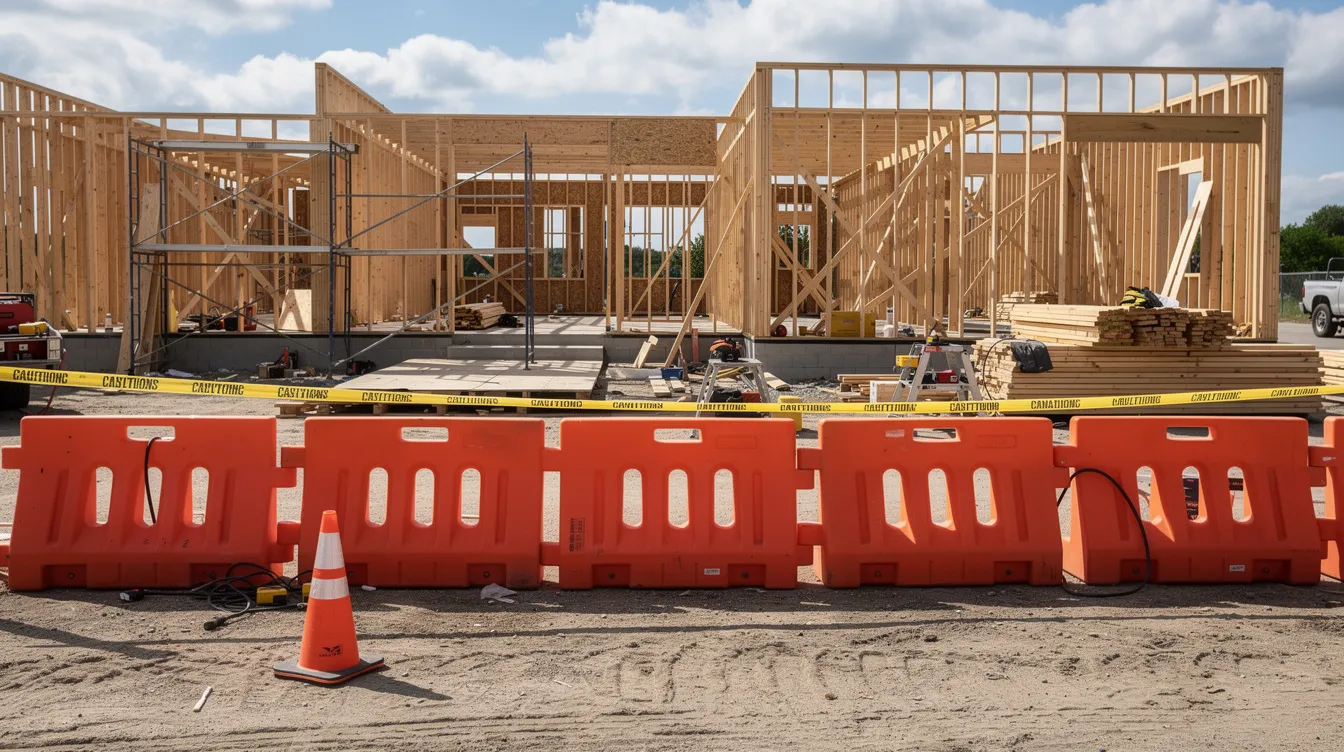
There is a meaningful difference between these two categories:
Government-issued stop work orders are tied to building codes, required inspections, zoning, and public safety, and different departments may have different responsibilities for enforcement and lifting the order. Under T.C.A. § 68-120-107, a building or fire official may serve a written order stopping construction if defective or illegal work violates building regulations and jeopardizes safety.
Contractual stop work directives or suspensions arise under private construction contracts or work orders, governed by whatever the parties agreed to in their contract documents.
Each type triggers different legal procedures and risks. An SWO can trigger severe criminal penalties and heavy daily fines if ignored. Violating an SWO can lead to daily fines or administrative penalties. Under T.C.A. § 68-120-108, a violation of building regulations, including continuing work despite a stop work order, is a Class B misdemeanor.
DZ Law focuses on construction litigation and arbitration and business and commercial litigation, and is positioned to help analyze which type of stop work order applies and what relief is available.
Common Reasons Stop Work Orders Are Issued in Tennessee
Understanding the stated reason on the notice is critical for deciding whether to comply, contest, or seek modification, and for allocating responsibility for delay and additional costs. An SWO is typically issued for code, safety, or permit violations. Here are the common reasons:
Code-enforcement reasons:
Missing permits are a common reason for stop work orders. Unpermitted work in Knoxville city limits or Blount County often results in immediate enforcement.
Failed inspections are a reason for issuing stop work orders. Proceeding before an inspector signs off on framing, rough-in electrical, or plumbing triggers immediate orders.
Unsafe conditions can trigger a stop work order, including dangerous trenching on a Maryville site or inadequate shoring.
Work differing from approved plans leads to stop work orders, such as structural changes not reflected in submitted drawings.
Stop work orders can result from unpermitted structural work, such as removing a load-bearing wall without an engineer's approval and permit.
Owner- or contractor-driven stop work directives:
Disputed change orders where scope or pricing is unresolved
Alleged defective work or corrective work demands
Non payment by the owner leading contractors or subcontractors to consider suspension remedies
Funding interruptions on commercial builds
Labor or safety issues can also intersect with stop work orders. An OSHA investigation or a serious site accident may lead to a temporary project shutdown while liability and safety procedures are evaluated. For example, a structural collapse on a Knoxville site may prompt both a governmental stop work order and an employer's internal work stoppage.
Immediate Steps to Take the Day a Stop Work Order Is Posted
Immediate action upon receiving an SWO includes stopping work and documenting site conditions. The first hours after a stop work order determine whether you can later recover delay costs, defend against breach allegations, or preserve payment rights. Here is what to do:
Cease work immediately within the scope described by the order or directive. Identify the work covered by the order first, then secure the site and ensure employees and subcontractors understand what must stop and what may continue. Pausing work does not release a contractor from liability for site security and safety duties, so maintain barriers, weather protection, and site access controls.
Photograph the notice, the job site conditions, and any referenced problem areas. Capture the date, inspector names, permit numbers, and any handwritten notes on the order to create a complete record of the notice and supporting site conditions.
Gather relevant construction contracts, subcontracts, change orders, work orders, pay applications, and inspection records so an attorney can quickly evaluate risk, cure options, and potential claims for delay or extra costs.
Notify your insurance carrier if the stop work order relates to an accident, safety incident, or property damage.
Do not respond in writing to the owner, contractor, or building department until you have consulted counsel.

Call (865) 259-00200) or contact us online before sending any written response. An attorney can guide on managing evidence and documentation after receiving an SWO, and help frame your response to protect contractual rights.
Types of Stop Work Orders: Full, Partial, Governmental, and Contractual
Not all stop work orders look the same. The type dictates what can and cannot happen on the project while the order is active.
Full stop work orders shut down the entire construction site. No trade can perform any work until the order is lifted.
Partial stop work orders only halt specific activities on site, and the work covered by the order must remain paused even if other activities continue. For example, a partial order might prohibit electrical rough-in work while allowing sitework or exterior finishing to continue.
Stop work orders can be issued by local building authorities, the State Fire Marshal, or TOSHA inspectors. Each issuing authority has different procedures for lifting the order.
Contractual stop work, suspension, or hold directives are issued by owners, construction managers, or general contractors pursuant to written construction contracts, AIA forms, or customized work orders. These are governed by the terms of the contract, not building codes.
A stop work order must be resolved before work can resume. Different types of orders impact scheduling, sequencing, and payment differently. If a partial stop work order is in place, other trades may be able to continue on unaffected portions of the project, but overhead, mobilization, and demobilization costs may still be recoverable depending on the contract.
A single project can face both types simultaneously. For example, a Knoxville restaurant build-out may receive a building-department stop work order for a missing inspection while also facing an owner-issued suspension over a dispute about change-order pricing.
Stop Work Orders and Required Inspections on Tennessee Projects
Many stop work orders trace directly back to inspection failures or skipped required inspections. Tennessee's statewide building standards require that adopted model codes be no more than seven years old, and local enforcement officials in Blount, Knox, and surrounding counties rely on these codes to determine when inspections are needed.
Common required inspections on East Tennessee projects include:
Footing and foundation
Framing (before work is covered by drywall or exterior cladding)
Rough-in electrical, plumbing, and mechanical
Fire-stop and fire-protection systems
Final inspection before certificate of occupancy
Proceeding without approvals at any stage can trigger an immediate stop work order, and work should not resume until corrections are completed, inspections are passed, and the required authorization is issued. Schedule and pass required inspections at each phase to avoid enforcement action.
Documentation best practices:
Maintain a detailed inspection log with dates requested, dates performed, inspector names, approvals, correction lists, and follow-up inspections.
If the building authority delays an inspection, document the delay in writing. This record can later prove diligence or support a claim that delays were caused by the issuing authority rather than the contractor.
Delays in governmental required inspections may support claims for time extensions or compensation under properly drafted construction contracts. Failing to document these delays can undermine those claims.
DZ Law can help review inspection histories and communications to determine whether a government-issued or owner-imposed stop work order was justified or whether it may support a claim for delay or constructive suspension.
Non Payment, Suspension of Work, and Your Rights Under Construction Contracts
One of the most contentious situations in construction arises when a contractor or subcontractor is not being paid but is expected to keep working. The tension between continuing to perform without payment and the risks of unilaterally choosing to suspend work is real and can be costly.
Typical non payment scenarios in Blount and Knox County projects include:
Owners slowing or withholding progress payments pending resolution of punch list or disputed work
General contractors delaying subcontractor payments while waiting on owner funding
Disputes over change orders and extra work where the scope of additional costs is contested
An SWO does not automatically excuse parties from their contractual obligations. Many construction contracts include specific clauses controlling suspension of work, stop work, and termination for default. A contractor who suspends performance without complying with these clauses can be found in breach. In Classic City Mechanical v. Potter, the Tennessee Court of Appeals held that a subcontractor was justified in ceasing performance when the general contractor failed to make progress payments, constituting a material breach. But that outcome depended on the specific facts and contract terms.
Contractors must take reasonable steps to minimize ongoing costs during an SWO. An SWO can result in breach-of-contract disputes and liability for delay damages if the response is not carefully managed, and failure to follow the contract’s suspension procedures can worsen exposure to breach and delay claims.
Contract-based rights should be coordinated with statutory remedies such as Tennessee mechanic's liens and prompt payment statutes. Key mechanic's lien deadlines include serving a notice of nonpayment within 90 days after the end of each month during which labor or materials were furnished and unpaid, and enforcing the lien within 90 days after serving notice for remote contractors.
Before a contractor or subcontractor stops work for non payment, they should have their agreements, invoices, and change orders reviewed by a construction litigation and arbitration attorney to avoid unintentionally giving the other side grounds to terminate or counterclaim, since a poorly handled suspension can leave that party worse off than a delayed payment dispute alone.
Contract Drafting Strategies: Allocating Stop Work and Suspension Risk Up Front
Contractual relations may be affected by an SWO, causing disputes over responsibility and costs. The best time to address stop work risk is before the project starts, during contract negotiation.
Include clear, written provisions addressing when an owner may issue a stop work order or suspend work, how long suspensions can last, whether contractors are entitled to extensions of time and compensation for demobilization and remobilization, and the parties’ responsibilities for seeking permits, inspections, and lifting any stop work order.
Spell out a contractor's or subcontractor's right to suspend work for non payment after a defined notice period, while complying with Tennessee law, and how such suspension interacts with mechanic's lien rights and dispute-resolution provisions.
Align payment schedules, retainage, change-order processes, and required inspections so that stop work orders and non payment do not become routine leverage tools on the project.
Address how partial stop work orders affect other trades and whether overhead, general conditions, and schedule impacts are compensable.
Ensure that written notice requirements are realistic and that the process for resuming work is clear and practical, including what required authorization must be obtained before work resumes.
DZ Law's business transactions and contracts practice regularly drafts and reviews construction contracts, subcontracts, and commercial work orders to help clients in East Tennessee reduce the risk of disruptive stop work disputes.
Documenting Delays, Costs, and Damages Caused by Stop Work Orders
Careful documentation can convert a chaotic shutdown into a provable construction claim in court, arbitration, or negotiated settlement. Documentation is crucial for resolving stop work orders effectively.

Maintain daily reports before, during, and after the period of stop work, noting manpower levels, equipment on site, weather, deliveries, and precisely which work covered by the stop work order was halted or allowed to continue.
Track all additional costs: equipment standby, demobilization and remobilization, storage fees, escalation in material prices, extended general conditions, and additional supervisory or design time attributable to the stop work order.
Send written communications promptly confirming the reason for the stop work order, directions given by inspectors or owners, any assurances about schedule extensions or extra compensation, and a complete written record of directions, responses, and schedule impacts.
Preserve all emails, text messages, and letters. Courts and arbitrators rely heavily on contemporaneous written records to establish what happened and when.
An attorney can guide on managing evidence and documentation after receiving an SWO. Thorough documentation can support later claims for delay damages, change-order compensation, or defenses against allegations of default. DZ Law can help organize and present this evidence in litigation or arbitration.
Challenging or Negotiating a Stop Work Order
Not every stop work order is correct. Some are overbroad, based on outdated information, or used as leverage in a contract dispute. A construction lawyer can help evaluate the validity of an SWO and protect rights.
When challenging a governmental order:
Request clarification or modification from the issuing building or code authority. Submit corrected drawings, an engineer's report when the cited issue involves structural conditions, design changes, or professional certification, or inspection requests to narrow the scope of the stop work order.
Resolve the reasons listed in the stop work order by completing corrective work, obtaining missing permits, or addressing the specific code violation cited, and complete all such requirements before the order will be lifted.
Provide required documentation to the issuing authority demonstrating compliance and obtaining the required authorization to resume.
Schedule and pass required inspections to lift the order.
Pay any applicable fees to lift the stop work order.
Obtain written authorization before resuming work. Work cannot legally restart without formal clearance from the issuing authority after an SWO.
A construction attorney negotiates with government authorities to clarify requirements and lift SWOs. Lifting an SWO may require compliance with specific conditions set by the issuing authority. A stop work order can be lifted after required corrections are complete and the issuing authority grants the required authorization.
When challenging a contractual stop work directive:
Issue a written notice of dispute, reservation of rights, or cure proposal, while still complying with safety requirements and maintaining constructive communication.
Review the contract for cure periods, notice requirements, and whether the owner's directive was authorized under the contract terms.
In certain circumstances, emergency relief such as a temporary restraining order or preliminary injunction may be appropriate in Tennessee courts to prevent wrongful termination or protect time-sensitive projects from an unjustified stop work directive.
If you are facing an aggressive or questionable stop work order, contact DZ Law at (865) 259-00200) or message us online for an evaluation of litigation or negotiation options.
Coordination With Insurance, Safety, and Personal Injury Issues
Some stop work orders arise after accidents, injuries, or major safety concerns. These events create overlapping issues in personal injury, premises liability, and insurance coverage that go well beyond the project schedule.
A serious fall, machinery incident, or structural collapse on a Knoxville or Sevierville job site may trigger a temporary shutdown while OSHA, insurers, and local authorities investigate and while injured parties receive medical care. The consequences ripple outward: the employer faces workers' compensation obligations, the property owner faces premises liability exposure, and the contractor faces both delay claims and potential personal injury litigation.
In addition to project-delay and non payment concerns, owners and contractors must consider potential personal injury or wrongful death claims, workers' compensation, and premises liability exposure that can arise from the same event that caused the stop work order.
DZ Law's personal injury, medical malpractice, and premises liability practices position the firm to advise both on construction-stop work issues and on the injury litigation that may follow a major site incident. Involving counsel early ensures that site conditions are documented, evidence is preserved, and communications with insurers and investigators are managed in a way that protects both project and liability interests.
Dispute Resolution: Litigation, Arbitration, and Appeals
Many serious stop work disputes eventually move into formal dispute resolution. How the parties responded to the stop work order in the first days and weeks will shape the outcome months or years later.
Construction contracts often require arbitration for disputes over stop work orders, schedule delays, and non payment. Arbitration timelines and discovery procedures differ significantly from traditional lawsuits, and failing to comply with contractual arbitration clauses can result in waiver of claims.
Tennessee state courts in Blount, Knox, Sevier, Loudon, Jefferson, and Cocke Counties handle construction disputes tied to stop work orders, including claims for breach of contract, mechanic's liens, and declaratory or injunctive relief.
Complex or high-dollar cases may involve appeals or federal court litigation, for example when diversity of citizenship or federal questions are present. DZ Law's experience in appeals and federal court litigation is relevant when a case moves beyond the trial court level.
A construction claim tied to a stop work order can involve breach, default, termination, and delay arguments all at once. The consequence of poor early strategy is that positions harden and evidence gaps become impossible to fill later, and failure to preserve evidence or follow required procedures can undermine later claims or defenses.
Early strategy matters. How parties resume work, communicate in writing, and document the project during and after a stop work order will establish the factual record for any later dispute. Consult experienced counsel at the beginning rather than at the end.
How DZ Law, PLLC Assists Clients With Stop Work Order Disputes
DZ Law, PLLC is a Blount County-based firm serving clients throughout East Tennessee in construction litigation and arbitration, business and commercial litigation, and related business transactions and contracts work.
The firm reviews construction contracts, change orders, inspection records, and correspondence to quickly assess rights and obligations after a stop work order or suspension of work.
DZ Law represents owners, general contractors, subcontractors, and design professionals across multiple practice areas relevant to stop work disputes.
The firm negotiates with owners, contractors, building departments, and insurers; prepares or responds to default notices; pursues or defends mechanic's lien claims; and, when necessary, files or defends lawsuits and arbitration demands arising out of stop work orders.
DZ Law also handles overlapping issues including premises liability, personal injury, and appeals, providing coordinated representation when a stop work order is just one piece of a larger dispute.
Schedule a consultation by calling (865) 259-0020 or submitting a message through our online contact form.
Practical Tips to Reduce the Risk of Future Stop Work Orders
Smart planning can significantly reduce the chance of disruptive stop work orders and disputes over work orders and payments on Tennessee projects.
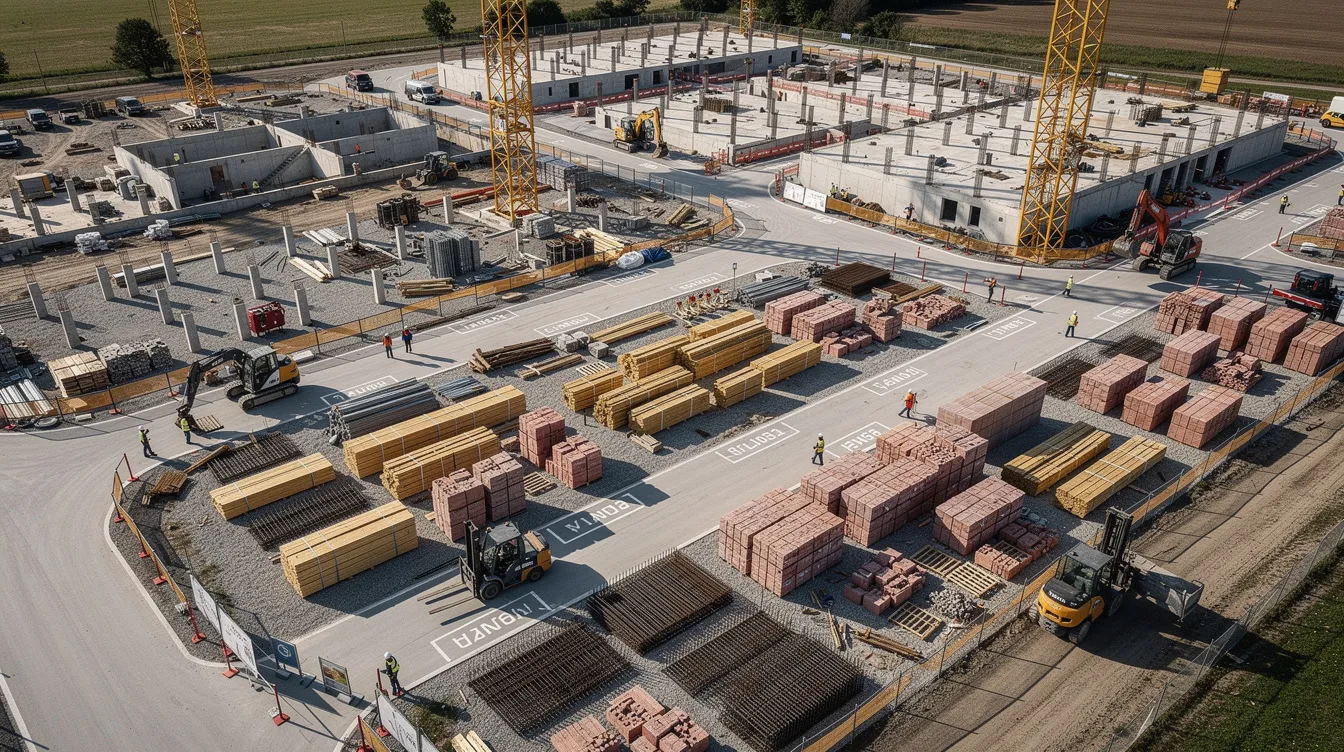
Use clear, written construction contracts and subcontracts that allocate responsibility for permits, inspections, code compliance, and change-order procedures, with defined responsibilities for owners, contractors, and subcontractors. Informal understandings are the root of many disputes.
Build and maintain relationships with local inspectors and permitting offices in Blount, Knox, and surrounding counties. Confirm inspection lead times and documentation preferences at the outset of a project.
Implement internal compliance checklists: verify permits before mobilization, confirm required inspections at each phase, track when each trade can legally start work on the next step, and confirm all corrections are complete before requesting permission to restart work.
Keep payment current and address change orders promptly. Many stop work disputes are really payment disputes in disguise.
Schedule periodic legal checkups on contract forms and project procedures with a construction-contract and business-transaction lawyer, especially for contractors and developers who regularly build in East Tennessee.
When to Call a Tennessee Construction Stop Work Order Lawyer
Timing matters. Waiting until after termination, lien deadlines, or final inspections can limit legal options and make it harder to protect your claim for compensation or defense against breach.
Specific triggers for contacting counsel:
Receiving a written stop work order from any source
Being threatened with a suspension or termination under a contract
Facing persistent non payment that makes you consider whether to suspend work
Seeing a project stalled over disputed required inspections
Dealing with overlapping injury or safety investigations on the job site
Early legal guidance can help clients avoid admissions in emails, missed notice deadlines, and strategic errors that later undermine claims for payment or extensions of time. Legal advice is recommended if disputes arise over stop work orders, and the earlier counsel is involved, the more options remain available.
DZ Law serves clients throughout Blount County and neighboring counties including Knox, Sevier, Loudon, Jefferson, and Cocke, and the firm's construction litigation and arbitration and business and commercial litigation practices are designed for these types of disputes.
Call (865) 259-0020 or reach out through our online contact page to discuss your stop work order or construction contract questions.
Frequently Asked Questions About Construction Stop Work Orders in Tennessee
Does a stop work order automatically mean my construction contract is in default?
A governmental stop work order does not automatically equal contractual default. However, many construction contracts treat certain code violations or work stoppages as potential grounds for default if not cured within specified time frames. The contract may include cure periods that give the contractor a window to correct the problem before the owner can declare a breach or terminate. Review your specific contract language regarding default, cure periods, and suspension of work and consult an attorney quickly to avoid missing contractual deadlines.
Can I keep working on other parts of the project after a stop work order?
Whether other work can continue depends on the exact wording and scope of the stop work order or directive. Partial stop work orders may allow limited activities outside the affected area, but the work covered must remain stopped unless the issuing authority says otherwise, while full stop work orders prohibit all construction activity on site. Confirm the scope in writing with the issuing authority or owner to avoid accusations of violating the order. Ignoring a stop work order can lead to fines or legal action, even if the violation was unintentional.
Who is responsible for paying delay costs caused by a stop work order?
Responsibility for delay and additional costs depends on the cause of the stop work order, the allocation of risk in the construction contract, and whether any party was negligent or in breach of code or contract requirements. Courts or arbitrators look closely at contract clauses, project records, and the reason the order was issued. Thorough documentation is crucial to proving or defending against delay claims.
What deadlines apply if I want to bring a claim related to a stop work order?
Multiple deadlines may apply simultaneously: contractual notice deadlines for claims, Tennessee mechanic's lien filing and enforcement deadlines (which can be as short as 90 days), and statutes of limitation for breach of contract or related tort claims. These timelines can be short and strictly enforced. Do not delay in seeking legal advice when a dispute over a stop work order arises.
Do I need a lawyer if I think the stop work order is a simple paperwork issue?
Some straightforward permit or inspection issues can be resolved directly with the building department. But even "simple" issues can have serious consequences for payment, scheduling, and liability if mishandled. A missing permit, for example, could give an owner grounds to withhold payment or allege default under the contract. At minimum, a brief consultation with a construction stop work order lawyer can help determine whether the issue is truly minor or whether failure to handle even a paperwork issue correctly could create hidden contract, insurance, or liability implications that should be addressed.