Swimming Pool Injury Lawyer Tennessee: Recreational Property Injuries and Liability for Dangerous Conditions at Hotels, Resorts, and Rental Properties
Swimming pool injuries at Tennessee hotels, resorts, and short-term rental properties raise serious legal questions about who bears responsibility when guests are harmed. This article walks through the specific rules, deadlines, and liability principles that apply to these cases under Tennessee law, with a focus on the counties where DZ Law, PLLC represents clients: Blount, Knox, Sevier, Loudon, Jefferson, and Cocke.
Key Takeaways
Tennessee swimming pool accident claims are governed by premises liability law. These cases commonly arise at hotels, resorts, vacation rental cabins, apartment complexes, and water parks across East Tennessee, and they can involve drowning accidents, slip-and-fall injuries, drain entrapment, and hazardous conditions around decks and spas.
Property owners and operators, including landlords, HOAs, vacation rental hosts, and owners of commercial pools, may be held liable when their negligence or gross negligence creates dangerous conditions that lead to a swimming pool accident. Pool management companies and equipment manufacturers may also be responsible parties.
Tennessee imposes a one-year statute of limitations on most personal injury claims, including pool accidents and drowning deaths. Missing that deadline permanently bars the claim.
DZ Law, PLLC handles swimming pool and recreational property injury cases as part of its premises liability and personal injury practice. The firm offers a free consultation and can be reached at (865) 259-0020 or by sending a message online.
Potential compensation may include medical bills, lost wages, long-term care costs, pain and suffering, and wrongful death damages when a loved one dies in a pool accident.
Overview of Swimming Pool and Recreational Property Injuries in Tennessee
According to the Centers for Disease Control and Prevention, approximately 10 people drown every day in the United States. Many of those incidents occur at swimming pools, hot tubs, and spas operated by hotels, resorts, rental properties, and apartment complexes. In East Tennessee, the tourism industry that draws millions of visitors annually to Gatlinburg, Pigeon Forge, and the Great Smoky Mountains also creates a concentration of pools and spas at short-term rental cabins, resort lodges, and hotel properties throughout Sevier, Blount, and Knox Counties.
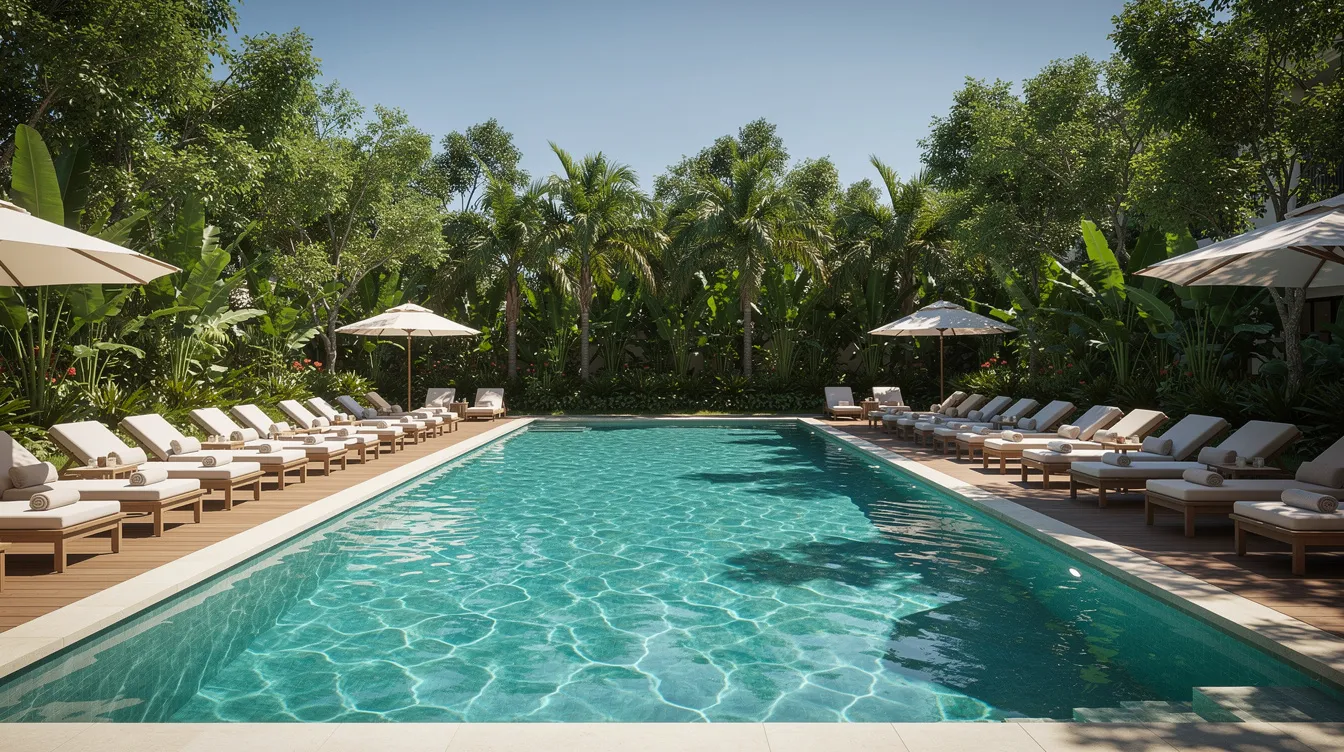
A swimming pool accident at one of these properties can produce injuries ranging from minor scrapes to catastrophic brain damage or death. Pool injuries are governed by premises liability law in Tennessee, which means the central question is whether the property owners or operators used reasonable care to keep the pool area safe for guests. That question applies equally whether the pool is at a large Knoxville hotel, an apartment complex in Maryville, or a vacation cabin in Wears Valley.
These cases often involve commercial pools open to paying guests, but residential pools at rental homes listed on Airbnb or VRBO platforms are common settings as well. When a property owner invites the public onto the premises and provides access to a swimming pool, that owner takes on legal duties that can form the basis of a personal injury claim if something goes wrong.
If you or a family member has been injured at a Tennessee swimming pool, contact DZ Law at (865) 259-0020 for a free consultation, or send a message through the firm's online contact form.
Common Causes of Swimming Pool and Spa Accidents
Most pool accidents are preventable. They stem from unsafe conditions, deferred maintenance, or the absence of adequate supervision by those responsible for the property. When property owners cut corners on pool upkeep or ignore known problems, the risk of a swimming pool accident rises.
Specific pool safety violations can include inadequate fencing, missing depth markers, and faulty drain covers. Here are several of the most frequent hazards:
Missing or broken barriers and gates. Fencing that is too short, gates that don't self-close or self-latch, and gaps in barriers that allow unsupervised children to reach the pool area. Georgia mandates a permanent barrier at least four feet high around pools; California requires isolation barriers at least 60 inches high. Tennessee's public pool regulations also impose fencing and gate requirements for public swimming pools.
Slippery deck surfaces. Worn finishes, algae buildup, and poor drainage can create a hazardous condition on pool decks, leading to slip-and-fall injuries.
Cloudy or murky water. When pool chemistry is neglected, visibility drops, making it difficult to see a submerged swimmer in distress.
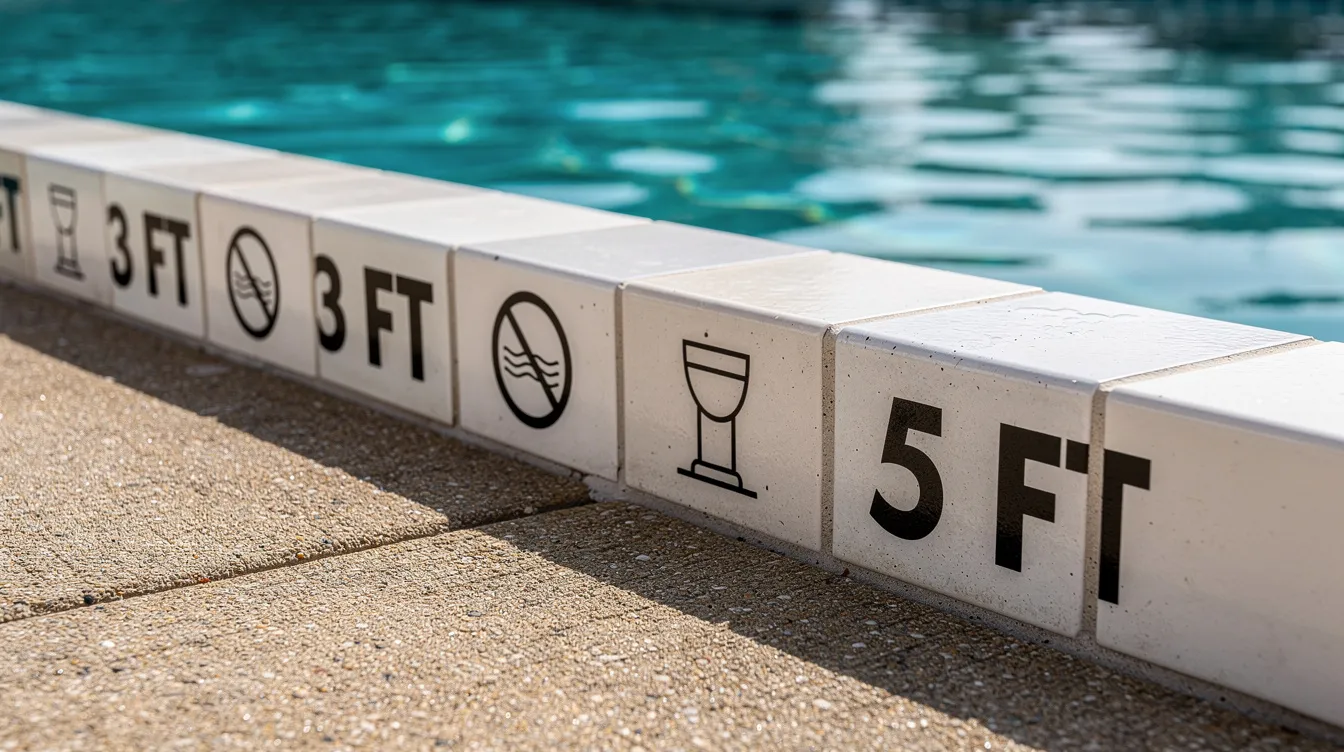
Inadequate depth markers and warning signs. Missing or illegible depth markers at the transition from shallow to deep water are a common cause of diving injuries.
Malfunctioning drains. Pool drains can entrap swimmers, especially children, leading to drowning. Non-compliant drain covers or missing safety vacuum release systems create suction hazards that can pin a child to the bottom of a pool.
Poor lighting. Pool owners must ensure proper lighting to reduce accident risks. Pools operated after dark without functioning lights are a recipe for a fall or drowning.
Other hazards. Defective ladders, loose handrails, broken steps, and missing life-saving equipment like ring buoys and shepherd's hooks all contribute to injuries.
Children are especially vulnerable to drain entrapment hazards. Drowning accidents at hotel pools, water parks, and rental property pools often involve unsupervised children, overcrowding, or doors from hotel rooms that open directly onto the pool area without alarms. The high seasonal use of pools and hot tubs at short-term rentals in Sevier, Blount, and Knox Counties compounds these risks.
Identifying the precise cause of a swimming pool accident is essential for determining which negligent parties may be held accountable.
Types of Injuries Seen in Tennessee Swimming Pool Accidents
Swimming pool injuries range from bruises and lacerations to catastrophic, life-altering harm. Survivors of near-drowning incidents can face years of rehabilitation and permanent disability.
Key categories of injuries include:
Nonfatal submersion injuries and hypoxic brain damage. Drowning is the leading cause of death for children ages 1 to 4. For every child who drowns, five receive emergency care for nonfatal injuries. Those nonfatal submersion injuries often cause oxygen deprivation that leads to memory loss, cognitive deficits, and permanent brain damage.
Spinal cord injuries from diving. Diving accidents account for over 10% of spinal cord injuries annually. Diving into shallow water where depth markers are missing or misleading is one of the most common causes of these injuries at pools.
Fractures and joint injuries. Falls on wet decks, broken stairs, and defective ladders frequently result in broken bones, torn ligaments, and dislocated joints.
Lacerations. Sharp edges on pool tile, broken glass, or damaged equipment can cause deep cuts requiring stitches or surgery.
Chemical burns and respiratory injury. Improperly maintained pool chemistry can cause severe chemical burns to skin and eyes or lung irritation from chlorine gas exposure.
Children, older adults, and visitors unfamiliar with a particular pool's layout face the highest risk. Consider two common fact patterns:
A child slips on an algae-covered deck at a Knoxville apartment complex pool where the management company has not pressure-washed the surface all season. The child fractures a wrist and strikes her head, requiring an ER visit and follow-up imaging.
A tourist in a Smoky Mountains rental cabin lifts an unsecured hot tub cover that was supposed to be locked. The cover gives way, the guest falls forward into the spa, and hot water causes second-degree burns. The cabin owner had received a prior complaint about the broken latch but never replaced it.
In serious personal injury and wrongful death cases, victims and families face substantial medical expenses, rehabilitation costs, and long-term attendant care needs.
Property Owners' Legal Duties: Premises Liability at Pools, Hotels, and Rentals
Tennessee premises liability law requires property owners and operators who invite guests onto their property to use reasonable care to maintain safe conditions. That duty applies to hotel owners, resort operators, landlords, condo associations, and short-term rental hosts alike. The same principles may also apply when the pool is at a public facility.
The specific duties typically include:
Inspecting the swimming pool area for hazards on a regular basis
Repairing known dangers such as broken gates, loose tiles, and malfunctioning drains
Warning guests about dangers that are not obvious, like sudden depth changes or non-functioning lights
The property owner's knowledge of hazards can affect liability in pool injury cases. If an owner knew about a cracked drain cover and failed to repair or replace it, that knowledge strengthens the injured person's claim. Constructive knowledge, meaning the owner should have known about the hazard through reasonable inspections, can also establish liability.
Commercial pools at hotels, apartment complexes, and community centers generally face higher safety expectations than a backyard residential pool. Businesses that charge guests or tenants typically have more detailed maintenance schedules, inspection protocols, and insurance requirements.
The "attractive nuisance" doctrine is especially relevant to swimming pools. Because pools are inherently appealing to children, property owners have a heightened duty to install barriers, locked gates, and pool alarms to prevent unsupervised access by minors. This duty can apply even when a child enters the property without explicit permission.
Whether a visitor is a paying hotel guest, a tenant, an invited guest of a tenant, or a tourist staying in a short-term rental affects how duty and liability are analyzed. But no property owner can simply ignore clear hazards around a pool area and avoid responsibility.
Gross Negligence and Egregious Pool Safety Violations
Gross negligence goes beyond ordinary carelessness. It describes conduct that shows a conscious disregard for the safety of others; willfully ignoring known, life-threatening hazards in a swimming pool or spa area.
Examples of conduct that could support a finding of gross negligence include:
Knowingly disabling pool gate alarms or locks to avoid guest complaints about noise
Failing to repair a broken drain cover that creates suction risks after receiving written reports about the hazard
Allowing guests to use the pool at night despite non-functioning underwater lights
Ignoring repeated complaints from tenants or guests about missing life-saving equipment
Operating a pool with water so cloudy that the bottom is not visible, in violation of health department standards
Evidence of gross negligence strengthens a victim's personal injury or wrongful death claim. Punitive damages may be awarded for malice or oppression, and Tennessee law permits punitive damage claims in cases involving reckless or intentional misconduct.
Liability waivers and "swim at your own risk" signs generally do not protect property owners from claims based on gross negligence or violations of mandatory safety rules. A sign cannot excuse a pool owner who knowingly leaves a broken drain cover in place.
Relevant Pool Safety Standards and the Virginia Graeme Baker Pool and Spa Safety Act
Beyond general premises liability principles, specific safety standards and codes dictate how pool operators must design, build, and maintain their facilities.
The federal Virginia Graeme Baker Pool and Spa Safety Act (the "Pool and Spa Safety Act"), enacted in 2007 and effective December 19, 2008, targets entrapment hazards from pool and spa drains. The Virginia Graeme Baker Act mandates compliant drain covers for pool safety. Pool owners must maintain compliant anti-entrapment drain covers meeting the ANSI/ASME/AAPS/ICC standard. In certain configurations, the law also requires safety vacuum release systems.
Tennessee's own public pool regulations under Rule 1200-23-05 impose additional requirements on public swimming pools, hotel pools, and pools at short-term rental properties accessible to guests. These rules address fencing, depth markers, deck dimensions, lighting, filtration, and lifeguard staffing requirements.
California law requires a CPR-certified adult present for school pool use, and California requires pool owners to install isolation barriers at least 60 inches high; states like California Civil Code § 1714 impose a duty of care on property owners that can extend to pool conditions. While Tennessee's specific barrier height and staffing requirements differ, the principle is the same: pool operators must follow the safety codes that apply in their jurisdiction.
When a property owner or operator fails to follow mandatory pool safety rules or industry standards, that violation is powerful evidence of negligence. Consider two examples:
A hotel in Sevier County operates a pool with drain covers that do not meet current VGBA standards. A child's hair becomes trapped in the drain, resulting in a near-drowning and hypoxic brain injury. The non-compliant drain cover is direct evidence that the hotel failed to meet a mandatory federal safety requirement.
An apartment complex in Knox County has a pool fence with a gate that no longer self-closes. A three-year-old wanders through the open gate and falls into the pool. The complex's failure to maintain the gate in compliance with Tennessee health department rules supports a negligence claim.
Who May Be Liable After a Tennessee Swimming Pool Accident?
Determining responsibility for a swimming pool accident often involves more than one party. The name on the hotel sign or the vacation rental listing may not be the only entity that bears legal accountability.
Potential defendants in swimming pool accident cases include:
Property owners (hotel corporations, resort companies, individual cabin owners)
Hotel or resort operators (management companies that run day-to-day operations)
Condominium associations and HOAs that maintain community pools
Short-term rental owners and property managers (Airbnb, VRBO hosts)
Pool maintenance companies responsible for chemical treatment, equipment repair, and drain cover replacement
Lifeguard staffing companies that provide trained personnel
Manufacturers of defective pool equipment or chemicals; product liability claims can hold manufacturers liable for defective pool equipment such as drain covers, ladders, or lighting systems
In commercial pool settings, such as hotels near McGhee Tyson Airport or resorts in Sevier County, multiple corporate entities may share control of the premises through management agreements, franchise contracts, and service agreements. A thorough investigation is often needed to examine leases, service contracts, and insurance policies to identify every responsible party.
DZ Law's experience in business and commercial litigation and construction-related disputes is an asset when analyzing complex ownership and contractor relationships at large recreational properties. Liability analysis may turn on different legal theories depending on who controlled the pool, the equipment, or the premises, and multiple laws may apply when premises liability, product liability, or other duties overlap. Understanding which entity controlled maintenance, which entity selected the pool contractor, and which insurance company covers the property can determine whether a claim succeeds.
Comparative Fault and Assumption of Risk in Tennessee Pool Cases
Tennessee follows a modified comparative fault rule for personal injury claims. Under this system, an injured person's compensation is reduced by their percentage of fault. If the injured person is found 50% or more at fault, recovery is barred entirely.
Here is how comparative fault and assumption of risk typically arise in swimming pool accident cases:
Assumption of risk arguments. Property owners and their insurance company may argue that a swimmer assumed the risk of injury by choosing to use the pool or by ignoring posted rules. These arguments do not automatically defeat a claim, particularly when children are involved or when the danger was hidden.
Alcohol consumption and horseplay. If a guest was intoxicated or engaged in horseplay, the defense will argue that behavior increased the guest's share of fault. Courts still examine whether the property owners took reasonable steps to manage foreseeable risks, such as posting rules, limiting alcohol near the pool, and providing adequate supervision.
Swimming outside posted hours. Using a pool after hours may reduce a plaintiff's recovery, but it does not eliminate the owner's responsibility for maintaining safe conditions around the clock.
Waivers and "use at your own risk" disclosures. Liability waivers signed at hotels, resorts, or water attractions may limit some claims for ordinary negligence. They typically do not excuse gross negligence, code violations, or failures to meet mandatory safety standards.
The comparative fault analysis is fact-specific. A jury will weigh the injured person's conduct against the property owner's failures, and the outcome depends on the evidence preserved from the scene.
What to Do Immediately After a Swimming Pool Accident in Tennessee

Swimming pool injury claims often rely on evidence preservation. The steps taken in the hours and days after a pool accident can determine whether a viable claim succeeds or fails.
Get emergency medical care. Call 911. Any drowning victim, even one who appears to recover, needs immediate medical evaluation. "Dry drowning" and secondary drowning can cause respiratory failure hours after the initial incident.
Document the scene. As soon as it is safe, photograph and video the swimming pool, deck, gates, locks, warning signs, depth markers, lighting, drain covers, and any visible hazards like broken tiles, cloudy water, or missing safety equipment. These images become critical evidence if conditions are repaired before an investigation.
Collect witness information. Get names, phone numbers, and email addresses for anyone who saw what happened, including other guests, hotel staff, lifeguards, and property managers. Ask for copies of any incident reports prepared by the property.
Preserve physical evidence. Keep damaged clothing, broken equipment, medical records, medical bills, and any correspondence with insurers or property owners.
Contact a swimming pool accident lawyer. Reach out to DZ Law as early as possible by calling (865) 259-0020 or sending a secure message through the firm's online form. Early attorney involvement allows for prompt evidence preservation, witness interviews, and requests for maintenance logs and surveillance footage before they are overwritten or discarded.
Potential Compensation in Tennessee Swimming Pool and Drowning Accident Claims
The value of a swimming pool accident case depends on the severity of injuries, the degree of negligence, available insurance coverage, and the long-term impact on the victim's life.
When liability and proof support the claim, victims may recover damages for losses such as:
Past and future medical expenses
Rehabilitation and therapy costs
Lost wages and loss of future earning capacity
Pain and suffering
Loss of enjoyment of life
Wrongful death damages (funeral expenses, loss of consortium) when a loved one dies; wrongful death claims can be filed by surviving family members
Compensation can include medical expenses and lost wages, plus non-economic damages. Tennessee caps non-economic damages at $750,000 per plaintiff in most personal injury cases. For catastrophic injuries such as spinal cord damage, the cap rises to $1,000,000. By contrast, California has no cap on economic damages for pool accidents, and California law allows unlimited non-economic recovery for pain and suffering.
In cases involving gross negligence or reckless conduct, Tennessee law may permit punitive damages, capped at $500,000 in most circumstances.
Health insurers or government programs may seek reimbursement out of a settlement through subrogation. Whether and how much must be repaid depends on the specific insurance policy and applicable rules. DZ Law assists clients in evaluating these reimbursement claims as part of the overall settlement process.
The firm can help clients assess realistic case value based on medical records, expert opinions, and the specific facts of the swimming pool accident or drowning incident.
Time Limits and Procedural Deadlines for Tennessee Pool Accident Lawsuits
Tennessee has a one-year statute of limitations for personal injury claims, including most swimming pool accidents and drowning accidents. That deadline runs from the date of injury or, in a wrongful death lawsuit, from the date of death. The one-year rule is codified at Tenn. Code Ann. § 28-3-104.
Shorter deadlines may apply when the claim involves a governmental entity, such as a city-owned aquatic center or county recreational facility. Claims against public entities in some states must be filed within six months of the incident; Tennessee's Governmental Tort Liability Act imposes its own notice requirements that can shorten the effective window.
Missing these deadlines permanently bars the claim, regardless of its merits.
Gathering medical records, expert opinions, and liability evidence takes time. Even if the one-year anniversary has not yet passed, delay can harm a case by allowing evidence to disappear, witnesses to become unreachable, and maintenance records to be discarded.
Do not guess about deadlines. Contact DZ Law for a free legal consultation at (865) 259-0020 or via the firm's online contact portal.
How DZ Law, PLLC Investigates and Litigates Tennessee Swimming Pool Cases
DZ Law approaches swimming pool and recreational property injury claims by drawing on its broader premises liability, construction litigation, and business litigation experience. The firm's entire team works to build a detailed factual record before entering settlement negotiations or filing suit.
Investigative steps the firm may take include:
Visiting and photographing the pool site, including fencing, gates, deck conditions, and equipment
Obtaining surveillance footage from the property
Interviewing witnesses, staff, and property managers
Reviewing maintenance logs, chemical treatment records, and health department inspection reports
Analyzing contracts between property owners, managers, and pool service companies
Requesting building permits and plan approvals from local health departments
Swimming pool injury cases may require testimony from safety and medical experts. Aquatic safety specialists can evaluate whether pool design, barriers, or operations met applicable standards. Medical experts establish the nature and cost of injuries, particularly in cases involving hypoxic brain injury or spinal cord damage.
DZ Law is prepared to negotiate with insurers but will pursue claims in court, including through appeals and federal court litigation where jurisdiction or complex legal issues require it. The firm represents clients in Blount County and surrounding counties including Knox, Sevier, Loudon, Jefferson, and Cocke, handling cases involving both tourists and local residents injured at properties throughout the entire process.
How DZ Law's Practice Areas Support Complex Pool and Recreational Property Claims
Swimming pool and recreational property injury cases often overlap with several of DZ Law's core practice groups, making the law firm well-positioned for complex litigation.
Premises liability is the foundation of most pool injury cases. The firm's work with unsafe property conditions, negligent security, and injuries at hotels, resorts, and other commercial properties translates directly to swimming pool accident cases.
Construction litigation and arbitration experience is valuable when defective pool construction, code violations, or construction defects contribute to an accident. A pool built with improper drainage, non-compliant barriers, or structural flaws raises issues that require the same analytical approach DZ Law applies to construction disputes.
Business and commercial litigation skills matter in disputes involving hotel companies, management firms, franchisors, and contractors. Contract interpretation and insurance coverage issues are common after serious accidents at properties with layered ownership and management structures.
Medical malpractice experience is relevant when hospital care questions arise in connection with severe drowning accident or brain injury cases. Appeals and federal court litigation capabilities come into play when appellate legal questions or federal safety act issues require attention in a wrongful death lawsuit or complex personal injury claim.
Choosing a Tennessee Lawyer for a Swimming Pool or Drowning Accident
Attorneys handling swimming pool injury cases should possess specific knowledge of state laws and safety codes, including Tennessee's premises liability framework, the Virginia Graeme Baker Pool and Spa Safety Act, and state health department regulations. Attorneys should have experience with a variety of pool injury scenarios, such as drownings and defective equipment claims.
Look for a law firm with:
Demonstrated familiarity with premises liability and personal injury claims
Comfort handling multi-party litigation involving property owners, contractors, and manufacturers
A track record with serious injury and wrongful death claims
Local knowledge of the courts in Blount, Knox, Sevier, Loudon, Jefferson, and Cocke Counties
Clear communication and willingness to explain both the strengths and weaknesses of a potential claim, along with the kind of steady support clients value after serious injury matters such as a car accident case
DZ Law emphasizes candid, practical advice. The firm offers a free consultation for potential swimming pool and recreational property injury cases, allowing families to discuss their legal options without upfront legal fees.
Contact DZ Law at (865) 259-0020 or send a message through the online contact form to discuss a potential claim.
Contact DZ Law, PLLC for a Free Consultation
If you or a loved one has been injured in a Tennessee swimming pool accident, whether at a hotel, resort, water park, apartment complex, or rental property, you may have a viable premises liability claim. Acting quickly helps preserve critical evidence, meet Tennessee's one-year statute of limitations, and give the legal team time to investigate all sources of liability and insurance coverage.
Do not negotiate alone with an insurance company or property owner. Seek legal advice before giving detailed statements or signing release forms.
Call DZ Law at (865) 259-0020 for a free consultation to discuss your swimming pool accident or drowning accident case.
You can also contact the firm online through this secure contact page to schedule a consultation or ask questions about potential legal action. The firm serves clients in Blount County and throughout Knox, Sevier, Loudon, Jefferson, and Cocke Counties in East Tennessee.
Frequently Asked Questions About Tennessee Swimming Pool and Recreational Property Injuries
The following questions address common issues about swimming pool accidents, recreational property injuries, and Tennessee law that are not fully covered above.
Can I Bring a Claim if My Child Was Injured While Trespassing at a Pool?
Tennessee's attractive nuisance doctrine recognizes that swimming pools are inherently tempting to children. Property owners may have a duty to secure pools with fences, locked gates, and alarms, even against child trespassers who enter the property without permission. The analysis is fact-specific, and factors like the age of the child, the accessibility of the pool, and the adequacy of barriers all matter. Parents should not assume they have no claim. A pool owner who leaves a gate propped open in a neighborhood with young children may be held liable even though the child was not an invited guest. Contact DZ Law for individualized legal advice about child injury and drowning accidents involving unfenced or poorly secured pools.
Does It Matter If the Pool Accident Happened While I Was on Vacation in Tennessee?
Visitors and tourists injured at Tennessee hotels, resorts, cabins, or rental properties generally have the same right to pursue a personal injury claim or premises liability claim under Tennessee law as local residents. Out-of-state victims may face practical challenges coordinating a claim from a distance, which is why working with a Tennessee-based attorney familiar with local courts, health department records, and property ownership structures matters. DZ Law regularly represents both local residents and out-of-state visitors hurt at pools and recreational properties in Knoxville, Sevier County, and surrounding East Tennessee areas.
What If a Lifeguard or Staff Member Failed to Act Quickly Enough?
Negligent supervision claims require proof of inadequate lifeguard training, understaffing, or failure to follow emergency-response protocols at commercial pools, hotels, water parks, or community centers. An investigation may examine staffing levels relative to the size of the pool and the number of bathers, review surveillance footage, and assess whether the lifeguard's certifications were current. Even where a lifeguard is present, property owners and operators remain responsible for maintaining appropriate safety protocols. If their policies or staffing decisions contributed to a drowning accident, they can be held liable.
Do I Have to Repay My Health Insurance After a Pool Injury Settlement?
In many personal injury cases, including swimming pool accident cases, health insurers, government programs, or medical providers may assert subrogation rights to reimbursement from any settlement or judgment. Whether and how much must be repaid depends on the specific insurance policy language and applicable state or federal rules. These reimbursement claims can reduce a victim's net recovery. DZ Law assists clients in evaluating and negotiating these obligations as part of the overall settlement process, working in the best interest of the client.
How Much Does It Cost to Hire DZ Law for a Swimming Pool Accident Case?
DZ Law typically handles premises liability and swimming pool injury cases on a contingency-fee basis. That means clients generally do not pay attorney's fees unless the firm recovers compensation through a settlement or verdict. The firm also handles serious injury matters more broadly, and past examples can include incidents where a client was rear ended. Specific fee arrangements and case expenses are discussed during the initial consultation so clients understand how costs work before deciding to move forward. If you have questions about fees or a potential claim, schedule a free consultation by calling (865) 259-0020 or contacting the firm online.